REVIEW · HO CHI MINH CITY
Ho Chi Minh City Sightseeing, nightlife Saigon, Local Markets
Book on Viator →Operated by CONNECT CULTURE CO.,LTD · Bookable on Viator
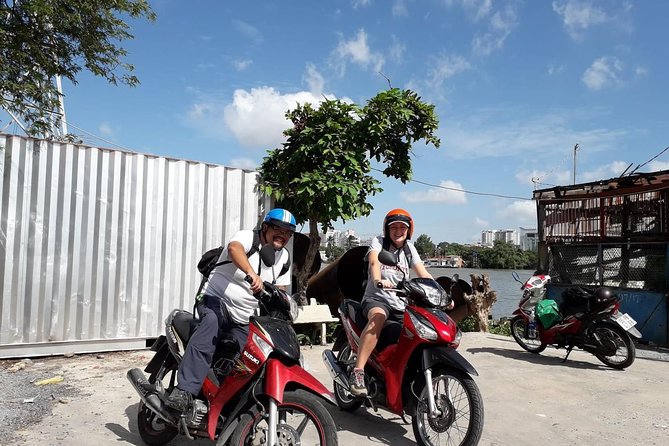
Saigon feels faster on a motorbike. This four-hour tour strings together major sights and local street life—floating markets and Chinatown on wheels—guided by a private guide. I like the focus on history and culture, with food tasting and coffee built in, so you get more than just photo stops.
I also like the “start close, finish close” setup with hotel pickup and drop-off and the included helmet. In the same spirit, guides such as Minh and Peace, or Trang and Huy, have been praised for clear explanations and patient answers—exactly what you want when you are bouncing through busy streets.
The only real consideration is comfort: you are riding in city traffic. If you hate the feel of scooters or traffic noise, this may not be relaxing, even with a helmet and a guide steering the route.
In This Review
- Key points worth knowing
- Saigon on scooters: what this tour does well
- Price and logistics: what $16 buys in real life
- Stop 1: floating market scenes, Chinatown, and the river-side feel
- Stop 2: an old apartment from 1968 and what it says about daily life
- A big flower market: color, scent, and fast-moving stalls
- Stop 3: Thich Quang Duc monument and the 1963 story
- Food tasting and coffee: where the tour slows down
- Riding comfort and safety: helmets, but still street-smart
- How the private guide changes your experience
- What the drop-off options mean for your next plan
- Who should book this tour
- Should you book this Saigon scooter sightseeing day?
- FAQ
- How long is the tour?
- Where does pickup and drop-off happen?
- Is the tour private?
- Do I ride a motorbike and do I get a helmet?
- What food and drink do you get?
- Which major sights are included?
- Is the Thich Quang Duc monument part of the itinerary?
- How big is the group?
- Can the tour be adjusted for allergies or dietary needs?
Key points worth knowing
- A half-day motorbike route that links markets and monuments
- Food tasting and coffee are part of the plan, not an add-on
- Thich Quang Duc monument gives context to the 1963 protest
- The biggest flower market in Saigon is a major visual stop
- Convenient center-city drop-off options after the ride
- Private guiding with helmets, bottled water, and a limited group cap
Saigon on scooters: what this tour does well
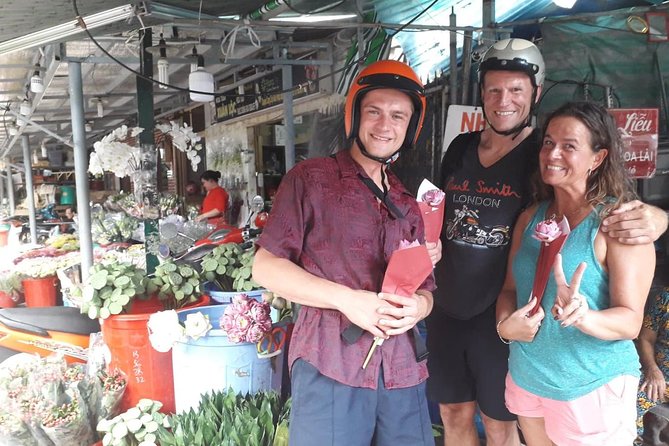
You come to Ho Chi Minh City for energy, but it can also feel random. This tour solves that by stitching the day into a logical path: markets and neighborhoods first, then meaningful history. Instead of choosing between sights, you get a guided route that connects them.
What makes it work for your time is the format. With a private vehicle and guide, you are not spending your half-day figuring out how to get from one district to the next. You’re also moving at the pace of the city, which helps you notice details you would usually miss walking—small storefronts, street snacks, and the way locals flow through their own routes.
You can also read our reviews of more city tours in Ho Chi Minh City


Price and logistics: what $16 buys in real life
At $16 per person for about 4 hours, you are paying for more than transportation. The tour includes bottled water, food tasting, a driver/guide (plus a local guide), hotel pickup and drop-off, and helmet use. That matters in Saigon, where the cost of getting around plus “a couple of attractions” can add up fast.
You also get a mobile ticket and confirmation at booking time. The overall feel is built for short stays—enough time to see several distinct sides of Saigon without turning your day into a marathon.
One small planning note: the tour says it may vary if a restaurant is closed or if an attraction is under maintenance. So if you have a tight schedule after the tour, keep a little buffer.
Stop 1: floating market scenes, Chinatown, and the river-side feel
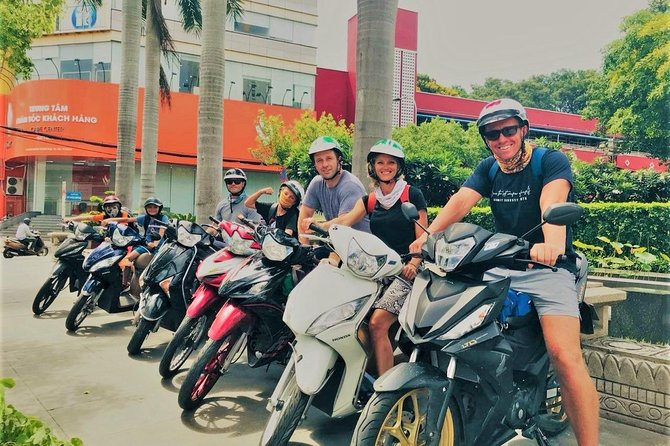
The first stretch is where you get your bearings. The tour description points to highlights like the floating market, Chinatown, and even Saigon River Tunnels. Even if you do not know the layout of the city yet, this part helps you understand how Saigon’s daily life is shaped by water, trade, and immigrant neighborhoods.
Why this stop matters: markets show you more than goods. They show rhythm—how people bargain, what they snack on, and what locals buy when they want flavor right now. Chinatown adds another layer, since it brings different signs, different food, and a different kind of street atmosphere.
Practical tip: for market-heavy tours, plan for some standing and walking even if you are on a scooter. Wear shoes you can trust, not ones you have to baby.
Stop 2: an old apartment from 1968 and what it says about daily life
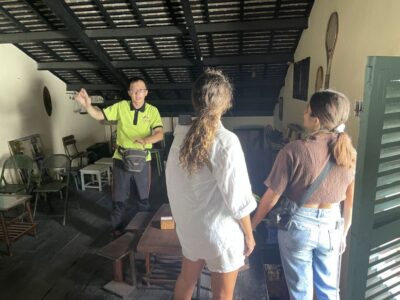
Next comes a stop tied to the everyday history of Saigon: an old apartment built in 1968. The tour frames it as a way to experience life in the local area and see old houses of Saigonese residents in the past.
This is the kind of stop that makes the rest of the tour click. When you understand how people lived—housing styles, neighborhood layout, and what the built environment looked like—you start noticing those same patterns outside the stop. In a city that keeps changing, it helps you connect the present to the past.
How long you’ll be here is about 30 minutes, so it is not a long museum detour. It is more like a guided look that gives you context before you move on.
A big flower market: color, scent, and fast-moving stalls
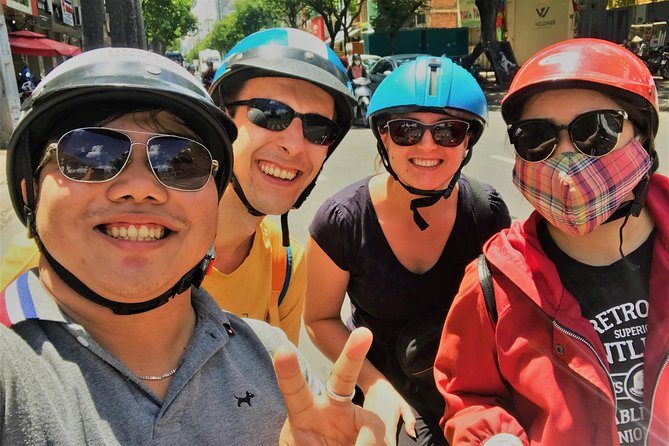
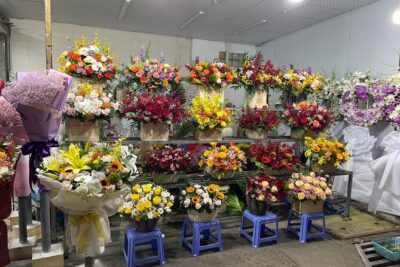
After the neighborhood stop, you head to the biggest flower market in Saigon, with a large variety of flowers. This is a great contrast stop. You go from history and housing to something sensory and immediate.
Why I think this is valuable: flowers are not just decoration here. Markets like this show how Vietnam celebrates daily life, holidays, and ceremonies. Even if you do not buy anything, the visual variety is a quick way to understand local culture without needing long explanations.
Also, markets change. The mix of flowers, the busiest times, and the stall layout can shift. So if you see lush bouquets or simple bunches, that’s all part of how the place actually works.
You can also read our reviews of more nightlife experiences in Ho Chi Minh City

Stop 3: Thich Quang Duc monument and the 1963 story
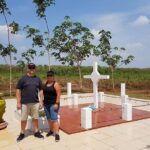
Then you arrive at the Thich Quang Duc monument, tied to a specific moment in Vietnamese history. The tour explains that Thich Quang Duc, a monk, burned himself in 1963 as a protest against the persecution of Buddhists.
This is the stop that carries weight. It is not just a landmark; it is a reminder that Vietnam’s modern story includes deep religious and political conflict. Your guide’s job here is crucial—context turns a photo stop into understanding.
Keep your expectations realistic. This is usually around 30 minutes, so you will not get a full lecture. Still, you should leave with enough background to place what you saw into Vietnam’s larger historical timeline.
Food tasting and coffee: where the tour slows down
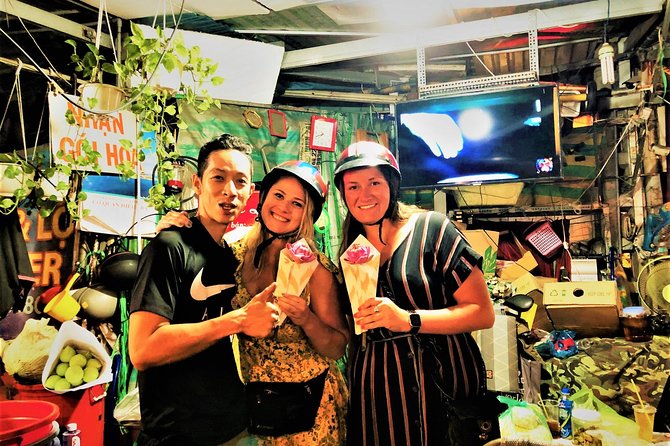
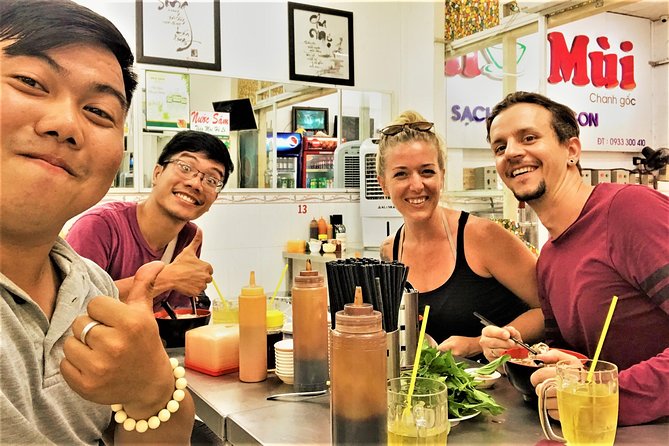
The tour includes food tasting and also calls out sampling Vietnamese cuisine and coffee. Several guides have been highlighted for making this part feel thoughtful rather than rushed.
One example: some guests have described a coffee stop where the strength was so intense it felt like a brain rush. That tracks with how Saigon coffee can hit—usually bold and quick. If you are sensitive to caffeine, pace yourself, share a taste if you can, or plan a slower moment before you jump back on the road.
Pacing matters here because the tour is active. If you snack lightly and keep sipping water, you will feel better while riding. If you go heavy on sugary items, you may feel a quick sugar crash later.
Riding comfort and safety: helmets, but still street-smart
The tour includes use of helmet, and you get a driver/guide team managing the ride. Still, you are moving through real traffic on a scooter, so your mental comfort matters.
Here is what helps you enjoy it:
- Keep a relaxed posture and hold steady.
- Wear closed-toe shoes and clothes you can move in.
- Bring your phone but keep it secured—this is a “look around, not fumble” ride.
Also, the tour suggests leaving important items at the hotel. That is smart advice for any motorbike day. Bring what you need, keep the rest simple, and reduce stress.
How the private guide changes your experience
A big part of the value is the private guide element. When you can ask questions in real time, the city makes more sense. Instead of collecting facts from random signs, you get explanations that match what you are looking at right then.
Guides mentioned across different experiences include Minh, Peace, Trang, Tracy, Huy, Tom, Logan, and Vinh. Common threads in the feedback are patience and helpfulness—exactly what you want if you are curious or if you do not speak Vietnamese.
If you like travel that mixes sights with meaning, this setup fits. If you only want checkboxes and quick photos, it can feel like you are being guided through a story. Either way, you control how much you engage.
What the drop-off options mean for your next plan
At the end, you get convenient drop-off either at your hotel or in central spots like City Hall, Ben Thanh Market, Saigon Square, Pink Church, Opera House, and even Coffee Apartment.
That matters because it makes the day feel seamless. You do not have to fight for directions after a ride. You can head straight to dinner, a cafe, or one last stroll.
Who should book this tour
This tour is a strong choice if you:
- Want to see multiple areas of Saigon in one half-day
- Prefer guided context over self-guided wandering
- Like market scenes, street culture, and local food moments
- Are comfortable with motorbikes and want a faster way to cover ground
It may not be ideal if you:
- Get uncomfortable in traffic or hate the feeling of riding close to other vehicles
- Want a slow, quiet, fully seated experience
- Need a very fixed itinerary with no possible changes (the tour notes that stops can vary if places are closed or under maintenance)
Should you book this Saigon scooter sightseeing day?
If your goal is to get oriented fast, I think this is a good bet. The pricing makes it feel accessible, and the included extras—pickup, drop-off, helmet, bottled water, and food tasting—make it better value than piecing together separate tickets.
I would book it if you want a mix of local markets, a flower-market color burst, and a history stop with context. The motorbike format is the whole point here: it is how you turn a short stay into a city story, not a set of disconnected landmarks.
I would skip it if you are strictly averse to motorbike traffic. In that case, you’ll probably get more enjoyment from a walking tour or a car-based sightseeing option.
If you do book, bring a flexible mindset for small variations, wear comfortable shoes, and show up curious. Saigon rewards that kind of energy.
FAQ
How long is the tour?
The tour is about 4 hours, with certain stops lasting around 30 minutes and the main sights portion taking about 2 hours.
Where does pickup and drop-off happen?
Hotel pickup and drop-off are included. Drop-off can also be at central locations such as City Hall, Ben Thanh Market, Saigon Square, Pink Church, Opera House, Coffee Apartment, or other famous spots in the center.
Is the tour private?
Yes. The tour includes a private guide and private tour, with use of a private vehicle and driver/guide included.
Do I ride a motorbike and do I get a helmet?
Yes, the experience is described as a motorbike tour. Helmet use is included.
What food and drink do you get?
The tour includes food tasting and also sampling Vietnamese cuisine and coffee.
Which major sights are included?
The route is built around highlights such as the floating market, Chinatown, the Saigon River Tunnels, the Thich Quang Duc monument, an old apartment from 1968, and the biggest flower market in Saigon.
Is the Thich Quang Duc monument part of the itinerary?
Yes. The tour visits the Thich Quang Duc monument, with background tied to the monk’s protest in 1963.
How big is the group?
The experience lists a maximum of 30 travelers.
Can the tour be adjusted for allergies or dietary needs?
Yes. If you have allergies or needs related to cuisine or religion, you should let the provider know so the tour can be made flexible for you.