REVIEW · HO CHI MINH CITY
Ho Chi Minh City Sightseeing Private Tour With Funny Guide
Book on GetYourGuide →Operated by Vietnam Package Tours · Bookable on GetYourGuide
Ho Chi Minh City can feel like sensory overload fast, but this private tour keeps it organized and fun. You start with the big, iconic landmarks, then shift into the stories behind the city, with stops that mix memorial sites, local neighborhoods, and even time on the Saigon River.
Two things I really like here are the way the route pairs heavy history with lighter street time, and the payoff from that Saigon River water bus ride for city views that you just don’t get on foot. One thing to consider is that the history stops are intense, and the walking time plus time in heat can be tiring if you’re not used to it.
In This Review
- Key Things You’ll Notice on This Tour
- Why This 4-Hour Route Works: Big Sights Plus Streets You Can Feel
- Independence Palace: The Photo Stop That Sets the Tone
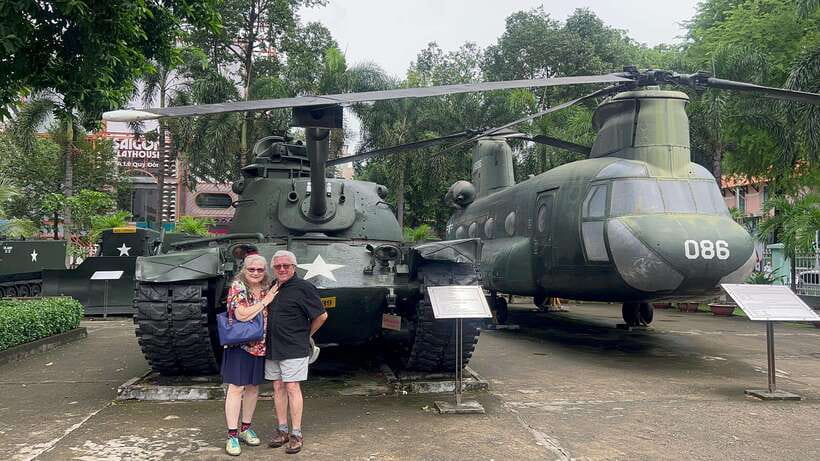
- War Remnants Museum: Where You’ll Understand the Stakes
- City Hall, Municipal Theatre, Opera House, and the Nguyen Hue Corridor
- Saigon Central Post Office: Classic Architecture With a Practical Purpose
- Secret Weapon Bunkers and the Burning Monk Monument: The Stories That Change How You See the City
- A Morning Market and Temple Pause: When District 1 Feels Like a Real Place
- Nguyen Hue to Bùi Viện: Street Time That Keeps the Day Fun
- Saigon River Water Bus: The Cool Reset and the Better View
- Night Tour Version: Metro Ride, Street Food, and Avocado Ice Cream
- Choosing Your Ride Style: Why Transportation Changes the Experience
- Price and What You Actually Get for $31
- What to Pack, and the Rules That Keep the Day Smooth
- Who This Tour Suits (and Who Should Rethink It)
- Should You Book This Private Ho Chi Minh City Tour?
Key Things You’ll Notice on This Tour
- Funny, flexible English guide who adjusts the day to what you care about
- War Remnants Museum + Independence Palace with guided photo stops and timed visits
- Secret weapon bunker and the Burning Monk Monument for deeper context than the typical postcard route
- Morning market time and Nguyen Hue walking streets for real daily life in District 1
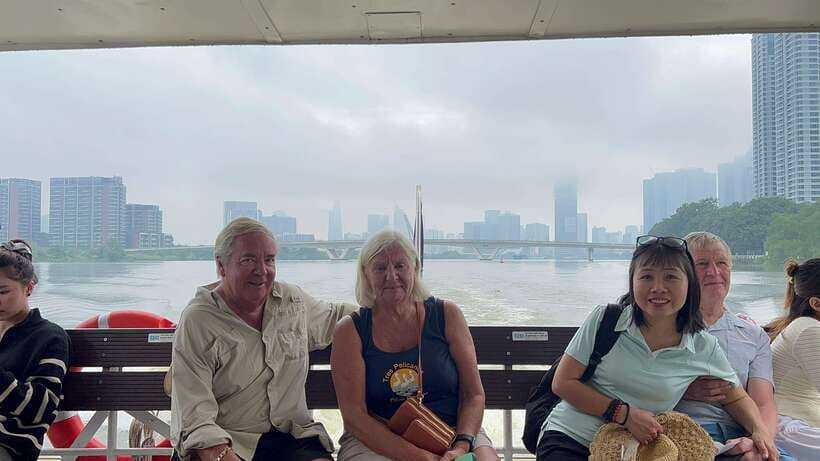
- Saigon River water bus for a cool reset and a new angle on the skyline
- Night option that swaps museums for metro rides and Bùi Viện street energy
Why This 4-Hour Route Works: Big Sights Plus Streets You Can Feel
A lot of half-day tours feel like speed-running. This one is different because it builds in variety on purpose. You get major landmarks early, then you move toward the city’s everyday rhythm with pedestrian streets, markets, and river views.
For me, the best part is the pacing. You’re not stuck in one museum for hours, and you’re not forced to sit on a bus staring out a window. You keep getting chances to see, walk a little, take photos, and ask questions—especially with an English-speaking guide who’s known for bringing humor and keeping things light.
That “private” part matters too. You can choose the ride style (motorbike, scooter, Vespa, Jeep, cyclo, bicycle, car, or even on foot), which changes how the city feels. If you want a smoother, more seated day, pick something steadier. If you want closeness to the street, you can choose a more nimble option.
You can also read our reviews of more guided tours in Ho Chi Minh City


Independence Palace: The Photo Stop That Sets the Tone
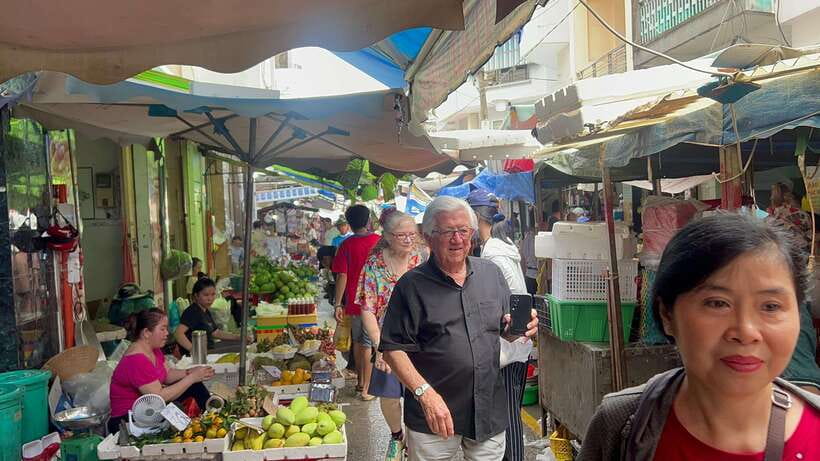
Independence Palace is one of those places where the city’s modern self starts to make sense. On this tour, you’ll get a photo stop and then a guided visit that helps connect what you’re seeing with what it meant at the time.
This is a good first stop because it orients you quickly. Even if you only remember a few details, you’ll understand why Ho Chi Minh City looks the way it does—wide streets, government buildings, and the contrast between old political spaces and newer neighborhood life.
Practical tip: wear comfortable shoes and plan for short bursts of walking. District 1 sidewalks can be lively and uneven, and you’ll want your feet ready for the next stops.
War Remnants Museum: Where You’ll Understand the Stakes
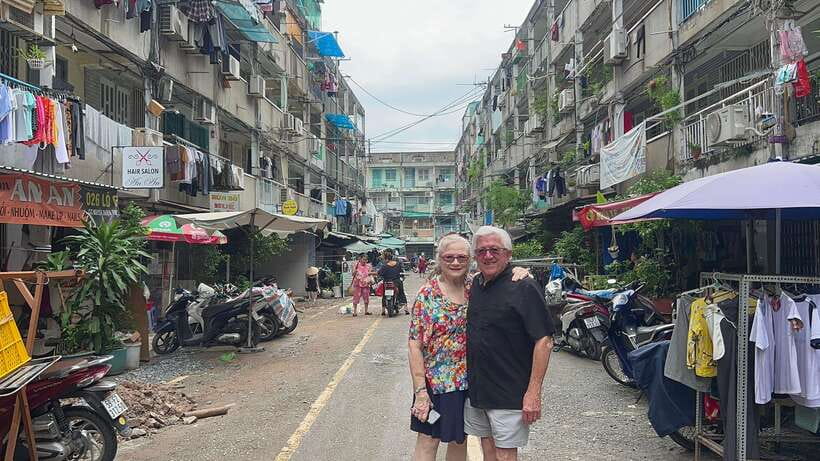
Next comes the War Remnants Museum, and it’s the kind of visit that stays with you. This isn’t a stop designed just for photos. You’ll have a guided tour window that keeps things focused, plus time for your own exploring inside.
Even when people don’t know the specifics, the museum’s atmosphere makes the story legible. It explains the cost of war in a direct way, and your guide’s role here is important: they help translate what you’re looking at so it doesn’t feel like a wall of confusing exhibits.
Considerations: this museum can feel emotionally heavy. If you’re sensitive to graphic material or you don’t like intense history in close quarters, pace yourself. A short break outside after the guided portion can do a lot for your energy level.
City Hall, Municipal Theatre, Opera House, and the Nguyen Hue Corridor
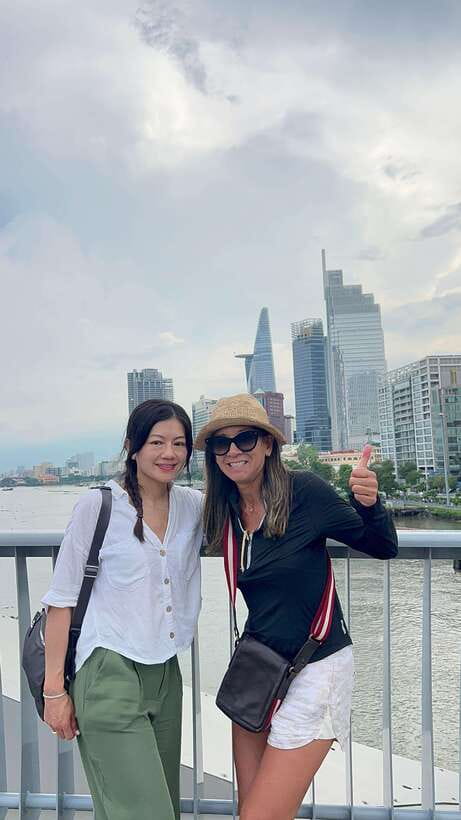
After the big hitters, the tour threads through some of the grand public spaces and French-era style architecture that shaped central Ho Chi Minh City. You’ll pass by places like Municipal Theatre and get a photo stop rhythm that keeps you moving without losing context.
Then you roll into Nguyen Hue Street, including time around Pho di bo Nguyen Hue—the pedestrian stretch that people actually use, especially in the daytime. This is where you can feel the city’s daily flow: scooters moving around slower crowds, conversations in motion, and storefronts that make the area feel lived in.
This section also helps you understand the city’s layout. After War Remnants and Independence Palace, these streets and public buildings give you a map in your head. You start seeing where everything is, which makes later stops easier to enjoy.
Saigon Central Post Office: Classic Architecture With a Practical Purpose
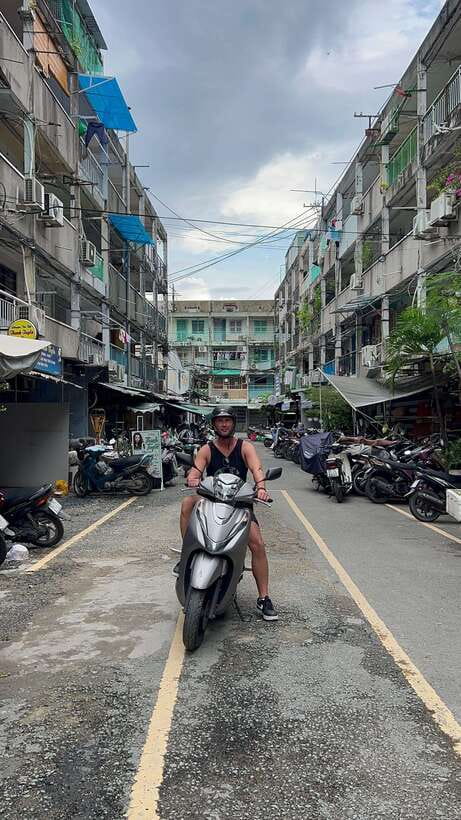
At some point in the middle of the day, you’ll stop at Saigon Central Post Office for a guided look and photo time. It’s famous for its architecture, but what makes this stop feel worth your time is that it’s still tied to real functions—so it doesn’t feel like a museum piece that’s only for tourists.
You’ll get guided context that helps you read the design instead of just admiring it. And it’s a nice break from purely historical memorial sites because it brings you back to everyday public life.
Tip: this is also a good time to check your energy. If the sun is strong, step inside when you can. You’ll be thankful later when you’re ready for outdoor walking and river time.
You can also read our reviews of more city tours in Ho Chi Minh City

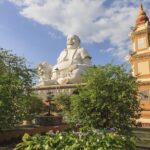



Secret Weapon Bunkers and the Burning Monk Monument: The Stories That Change How You See the City
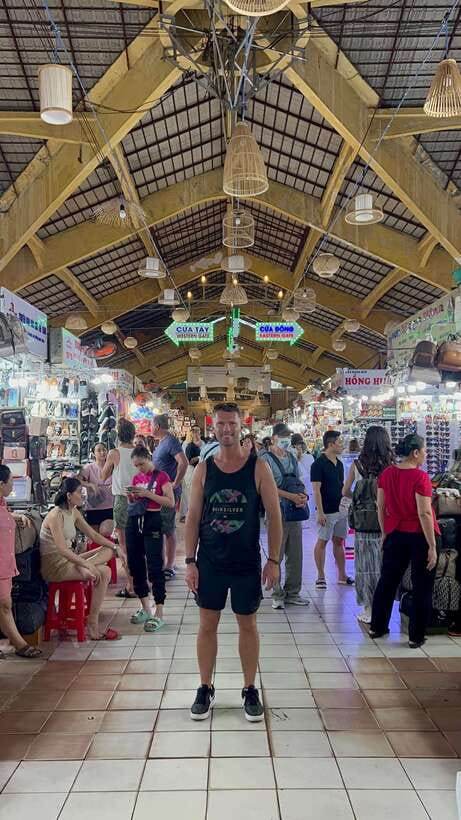
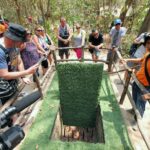
Here’s where the tour becomes more than a checklist. You’ll make time for the Burning Monk Monument, and you’ll also get a look at a secret weapon bunker area tied to the city’s wartime past.
These stops work because they show different sides of conflict and survival. The memorial gives you a human scale—what people suffered and what people protested. The bunker pushes the story into the engineering and secrecy side of war, showing the lengths people went to hide, protect, and operate.
You’ll also include a visit to a peaceful temple and time in a morning local market. That combination matters. It’s the contrast that turns history into something you can hold: suffering isn’t the whole story, and faith and daily routines are part of the same city.
If you’re a photo person, these are great moments. If you’re not, they still help you understand the city beyond streets and signage.
A Morning Market and Temple Pause: When District 1 Feels Like a Real Place
Some of your most memorable moments in Ho Chi Minh City won’t be the biggest monuments. They’ll be small scenes: vendors arranging items, locals moving with purpose, and you trying something simple and getting it right only after a few tries.
This tour includes time around a morning local market that opens in the morning. Morning markets have a different feel than later shopping—more energy, more movement, and more of the day’s planning happening in real time.
The temple stop adds a quieter contrast. Even if you don’t speak the language, the atmosphere is enough to slow you down. You’ll be able to reset mentally before the more active street and river segments.
Nguyen Hue to Bùi Viện: Street Time That Keeps the Day Fun
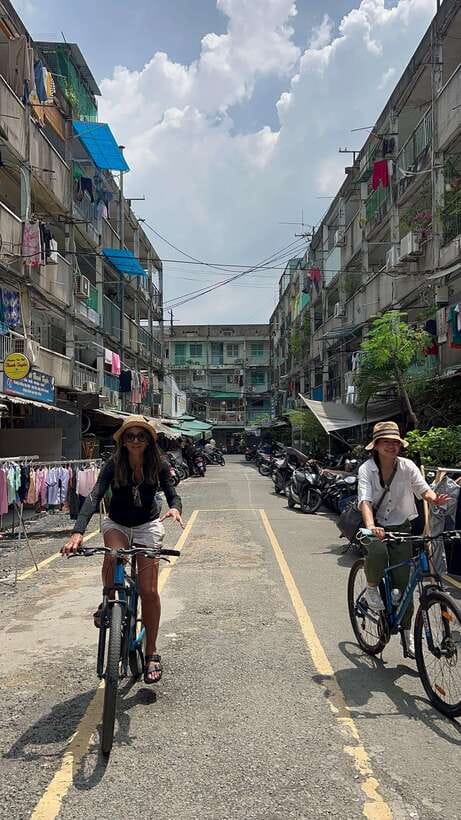
Ho Chi Minh City does not run on a single mood. One minute it’s quiet enough to notice how people greet each other. The next minute it’s music, chatter, and people scanning menus.
The tour builds toward Bùi Viện Walking Street in a way that feels like a natural progression. Nguyen Hue gets you into the rhythm of central streets, and then Bùi Viện gives you the nighttime vibe—lights, crowds, and the kind of energy that makes you look around even if you’re just walking.
Even during the day, Bùi Viện’s reputation for parties and nightlife makes it a useful stop as a “place marker.” You’ll know what people mean when they talk about the area later, and you can decide if you want to stay longer on your own.
Saigon River Water Bus: The Cool Reset and the Better View
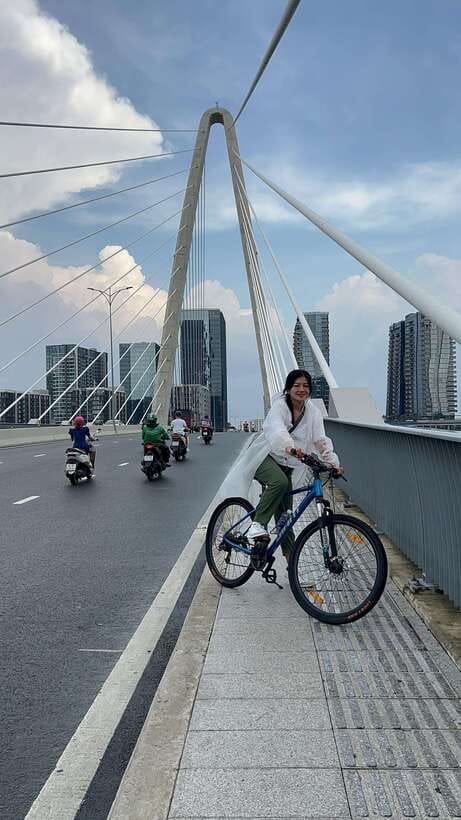
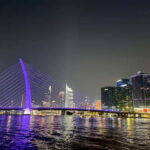
One of the smartest inclusions here is the ride on a Saigon River water bus. It changes the perspective instantly. Instead of compressing the city into street-level views, you get a wider angle—buildings, bridges, and the way the city hugs the water.
This ride also works as a break from heat and crowds. After museums and architecture, water time feels like a palate cleanser. You can sit back, take photos without weaving around traffic, and just watch.
Practical tip: bring water and wear sunscreen. Even with shade, you’ll feel exposed on the river.
Night Tour Version: Metro Ride, Street Food, and Avocado Ice Cream
If you choose the night option, the tour changes gears. Museums are closed, so you swap the daytime museum block for the city’s after-dark flow.
You’ll ride the metro, hit the Bùi Viện Walking Street vibe again, and snack your way through the evening. One specific treat mentioned is avocado ice cream at the flower and food night market. That’s the kind of small local detail that makes an itinerary feel real instead of scripted.
Street food and night markets are also where your guide’s personality pays off. A humorous, patient guide helps you navigate what to try and how to order without making you feel rushed. You get to focus on tasting instead of guessing.
Choosing Your Ride Style: Why Transportation Changes the Experience
The tour is flexible in how you move. You can choose motorbike, scooter, Vespa, Jeep, cyclo, bicycle, car, or on foot. That choice changes your comfort, your speed, and even what you notice through the windows.
For example, if you want maximum street interaction and shorter distances, smaller rides or even on foot can be great. If you want less traffic friction, pick a more sheltered option like a car or Jeep. Either way, you still cover the key landmarks efficiently.
Do keep one practical rule in mind: you’ll be on your feet during parts of the day, so comfortable shoes matter more than the vehicle choice.
Price and What You Actually Get for $31
At $31 per person for about 4 hours, the value comes from what’s included, not just the sticker price. You get pickup and drop-off at your hotel, an English-speaking tour guide, and transportation.
What’s not included is all ticket entrance. That means you should expect to pay entry fees separately for the places that require them. Still, for a private, guided route in District 1, the overall structure is cost-effective because you’re not spending your time bargaining for transport or trying to coordinate multiple stops alone.
Also, the private nature helps you make smarter choices with your time. If you want more photos at one site, you can usually ask. If you want a quicker pace at another, you can do that too.
If you’re traveling solo or as a couple, this kind of pricing is often where guided half-days start to make sense, because it saves time and stress.
What to Pack, and the Rules That Keep the Day Smooth
Bring comfortable shoes, a hat, sunscreen, water, and your camera. This tour includes outdoor walking and sun exposure, and you’ll enjoy every stop more if you’re not constantly adjusting for discomfort.
There are also clear photo rules: no flash photography and no smoking. Simple, but important, especially at indoor memorial spaces.
If the weather turns hot or humid (common in this region), plan to pace your drinks and take shade when you can. Your guide can usually help you find the right moments to rest between stops.
Who This Tour Suits (and Who Should Rethink It)
This tour fits best if you want a guided, English-friendly overview of central Ho Chi Minh City with a mix of major landmarks and local street life. It’s especially good for first-timers who want context fast.
It’s not suitable for pregnant women, people with back problems, or wheelchair users. That’s mostly about the walking and the transport realities of District 1.
Also, if you strongly prefer a quiet, museum-only day with no street nightlife energy, the inclusion of Bùi Viện may feel like a lot. If you’re okay with shifting moods—history, markets, river, then night streets—you’ll likely enjoy it more.
Should You Book This Private Ho Chi Minh City Tour?
I’d book it if you want a smart mix: War Remnants Museum, Independence Palace, plus the deeper stops like the Burning Monk Monument and the weapon bunker—then you finish with river views and (if you pick the night option) Bùi Viện energy.
I’d skip it or choose a different format if you need a very gentle day with minimal walking, or if intense war-related content is not your thing. And if you hate crowds, treat Bùi Viện as an “understand the city’s nightlife” stop, not a place to linger forever.
One last nudge: if you care about getting explanations that actually make sense, pay attention to the guide. People have mentioned guides like Kieran and Queenie for being funny and flexible, which is exactly what makes this kind of tour feel like it belongs to you, not just to a schedule.