REVIEW · HO CHI MINH CITY
Mekong Delta Nature Cano-Kayak-Cycling & Fishing Private Day Trip
Book on Viator →Operated by Vietnam To Travel · Bookable on Viator
A Mekong day with real village chores.
I like cycling through rice fields and kayaking the quieter waterways while you get hands-on with local life (including an underground tunnel stop). The only real catch is it’s a jam-packed schedule, and you’ll want decent stamina for biking and getting in and out of small boats.
This is also a trip built around moving away from the usual Mekong tourist loop. The plan is private, with pickup from your Ho Chi Minh City hotel, and it leans hard into practical experiences like rice planting, fishing, and cooking Vietnamese favorites such as banh xeo and spring rolls. In the guide department, I’ve seen big praise for energetic, local communicators like Chao/Chow, Dennis, and Mr. Hieu, which matters because the day runs smoother when someone knows the why behind each stop.
In This Review
- Key highlights you’ll feel right away
- A Mekong Day That Sidesteps the Usual Tourist Loop
- Pickup From Ho Chi Minh City to Ben Luc: The Day Starts Early, Not Chaotically
- Family Tiny Garden to Xom Trau Pagoda: Cycling Through Rice Fields
- Practical notes for this segment
- Cooking Class Morning: Spring Rolls and Banh Xeo Lunch
- Canoe Check-In and the Fruit Orchard Stop
- What to expect at the orchard
- Kayaking Time: Quiet Water and a Different View of the Delta
- Weather matters
- Guides Make or Break the Pace (Chao/Chow, Dennis, Mr. Hieu)
- Price and Value: Is $85 Worth It?
- Who This Trip Fits Best (And Who Might Want to Think Twice)
- Considerations before you book
- What to Pack for a Comfortable (Real) Countryside Day
- Should You Book This Mekong Delta Canoe-Kayak-Cycling Day?
- FAQ
- How long is the Mekong Delta nature day trip?
- Is hotel pickup included from Ho Chi Minh City?
- Is this a private tour or a group tour?
- What activities are included during the day?
- What should I know about fruit tasting?
- What’s the cancellation policy and weather requirement?
Key highlights you’ll feel right away
- A non-touristy Mekong route by design, with time in the countryside rather than just quick photo stops
- Biking + paddling in one day, so you see more of the countryside without feeling like a bus tour
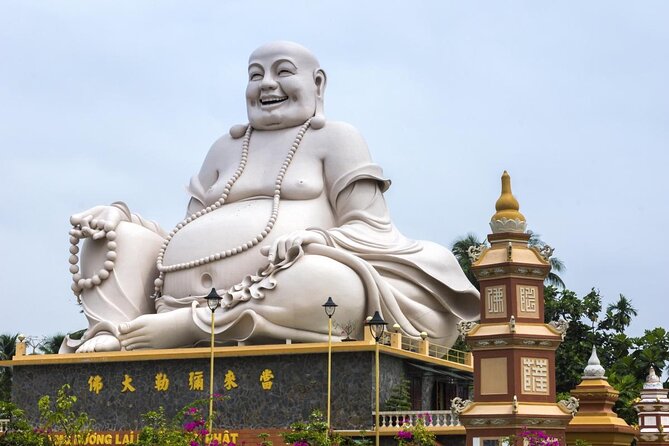
- Xom Trau Pagoda and its underground tunnel relic, a memorable history-and-culture pause
- Hands-on rural activities, including rice planting and catching fish
- Cooking class payoff, with spring rolls and banh xeo plus a proper lunch
- Fruit orchard time, featuring lemon, guava, and dragon fruit on the way to canoe/kayak water time
A Mekong Day That Sidesteps the Usual Tourist Loop
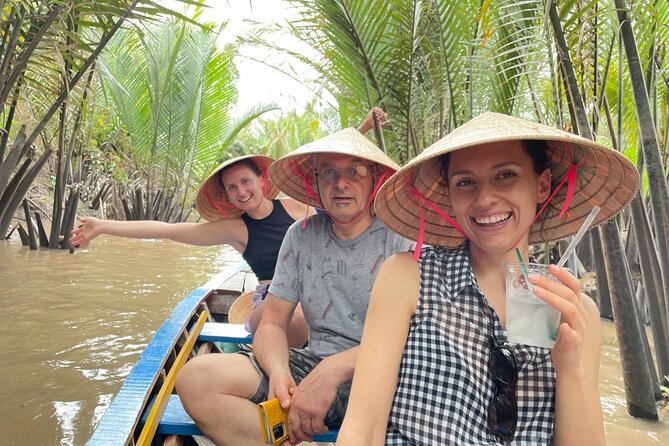
The Mekong Delta can feel repetitive if your day is mostly boat-and-market stops. This one is different in the way it’s paced: you start with countryside movement (cycling), then you build in village rhythm (pagoda + farming + fishing), and you finish with water time and fruit gardens. That mix helps the day feel like an actual local itinerary rather than a greatest-hits checklist.
Another thing I appreciate is the focus on simple, everyday skills. You’re not just watching; you’re doing. The day is built around chores and cooking—rice planting, catching fish, and preparing food—so you come away with more than photos. And if you’re traveling with kids, that action-heavy structure is usually the difference between a “fun day out” and a “why are we still on a boat” day.
You can also read our reviews of more cycling tours in Ho Chi Minh City
Pickup From Ho Chi Minh City to Ben Luc: The Day Starts Early, Not Chaotically
Pickup is offered from your hotel around 7:30–8:00am. On the way, your guide shares context on the Mekong Delta’s cultural, historical, and ecological life across 13 provinces and cities. That matters because the Delta can look flat and “same-y” if you don’t know what you’re seeing—rice fields, orchards, waterways, and the way people farm around them.
You’ll reach Ben Luc and then head onward to Family Tiny Garden, arriving around 9:00am. The early start is typical for day trips from Ho Chi Minh City, but it’s also what keeps the itinerary full without feeling rushed between activities. If you hate early mornings, plan to go to bed earlier the night before.
Family Tiny Garden to Xom Trau Pagoda: Cycling Through Rice Fields
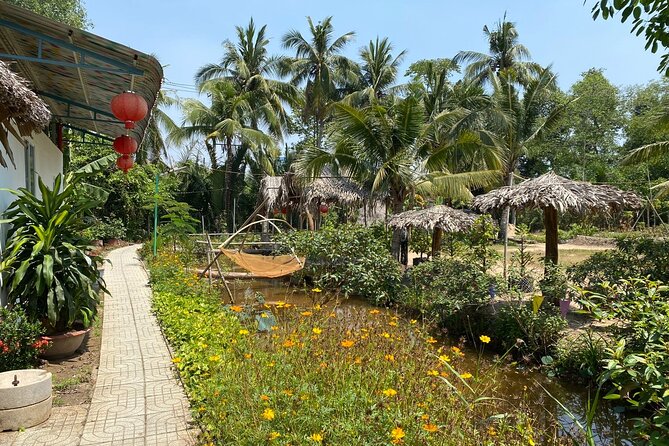
At 9:30am, you cycle into the countryside. This is one of the easiest parts of the day to love, because the scenery is close and human-scale: rice fields, village paths, and a slower pace than the city. The tour framing here is important—this cycling portion is meant to help you understand how daily life connects to water and crops.
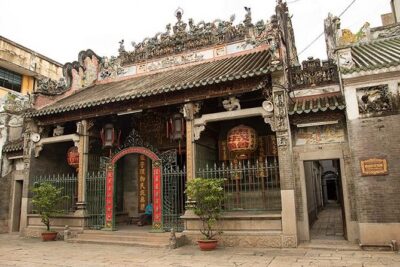
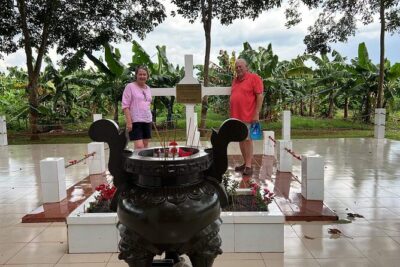
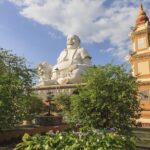
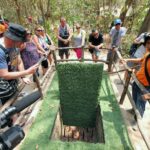
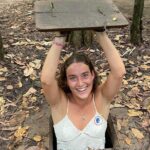
From there, you visit Xom Trau Pagoda, known for an underground tunnel relic. It’s a short change of tempo: you go from movement through fields to a pause where the guide explains why this place matters. It’s also one of those stops that tends to land well with both adults and older kids because it’s visual and story-driven.
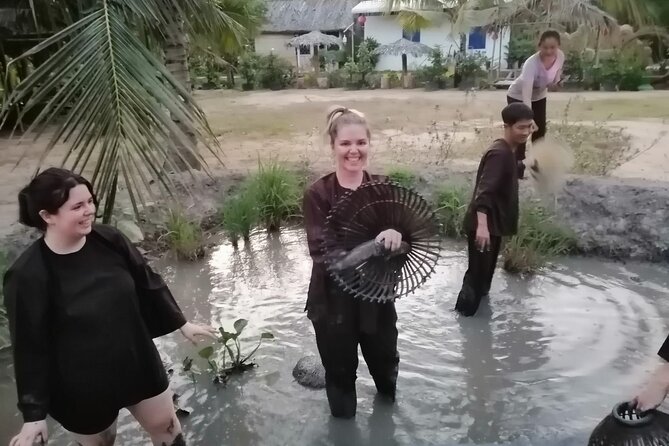
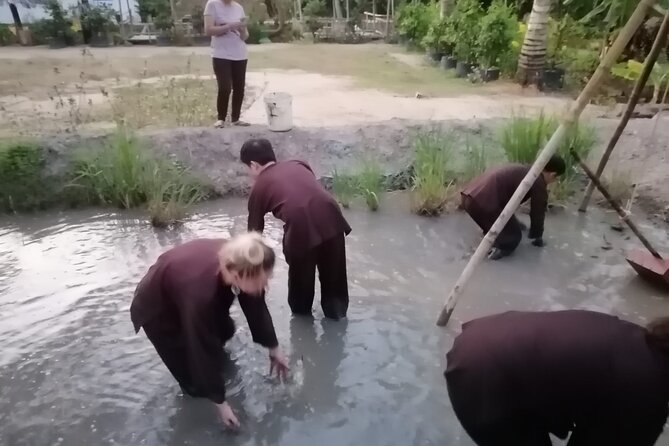
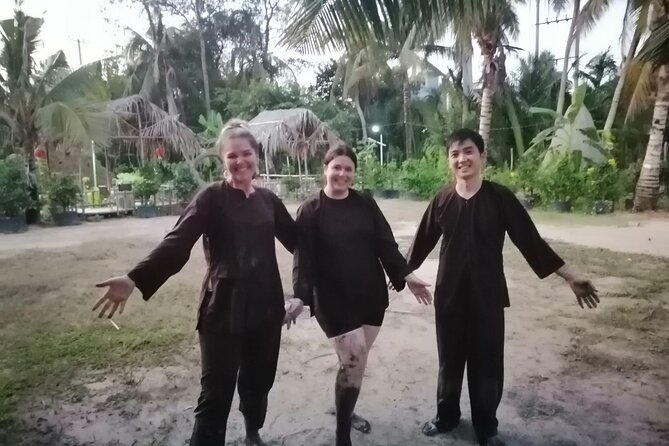
Then comes the part that’s harder to describe and easier to remember: you join rice planting and catching fish. This is where the day shifts from sightseeing into real activity. Expect a muddy-good-time vibe, not a museum-stillness vibe.
Practical notes for this segment
- Wear something you don’t mind getting dirty—rice-field reality is part of the point.
- Bring water and plan for sun exposure; the biking stretch won’t be shaded the whole time.
- If you’re worried about getting hands-on, tell your guide. A good guide will help you participate without forcing anything unsafe.
Cooking Class Morning: Spring Rolls and Banh Xeo Lunch
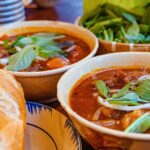
By 11:30am, you move into cooking. The class focuses on making spring rolls and banh xeo, the Vietnamese savory crepe that you’ll see on many menus but rarely learn the process for in a hands-on way. The best part isn’t just the food you eat—it’s that you learn how the dish comes together, including the flavors and textures that make banh xeo work.
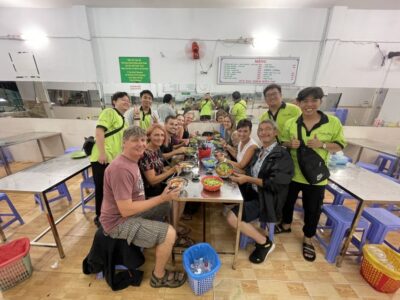
Lunch follows the cooking session, served as a Vietnamese meal. I like this setup because it breaks up the morning’s physical activities. Your body gets a reset, and you get a reward that feels earned.
You can also read our reviews of more private tours in Ho Chi Minh City

Canoe Check-In and the Fruit Orchard Stop
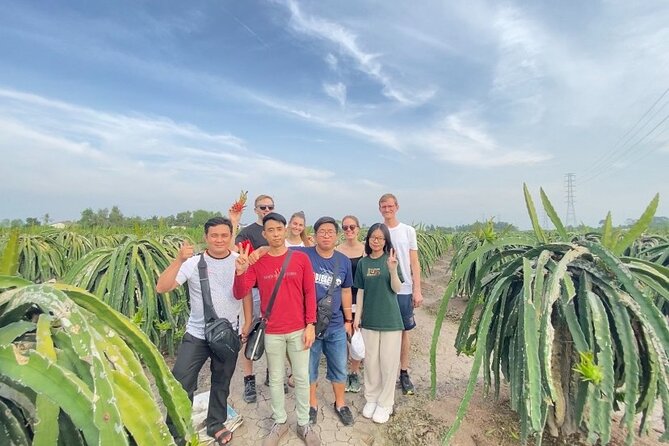
After lunch, the schedule shifts to 2:30pm, when you check in for the water portion at canoe boat. Before the paddling, you visit a fruit orchard with lemon, guava, and dragon fruit. This stop is more than tasting: your guide explains the process of growing and caring for natural fruits and how that supports sustainable economic development for rural families.
The fruit segment is a smart bridge between land and water. You’ve already done field work; now you see how orchards fit into the countryside economy. It also gives you a chance to cool off a bit before getting into the boat rhythm.
What to expect at the orchard
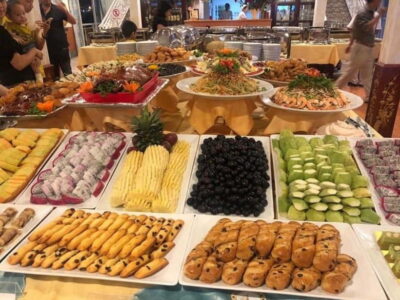
You’ll likely get to taste seasonal fruits, and dragon fruit, guava, and mango are highlighted as favorites (with fruit availability depending on the season). Don’t plan on this being a quick “look and go” stop. The point is learning how these crops grow and why caring for them matters.
Kayaking Time: Quiet Water and a Different View of the Delta
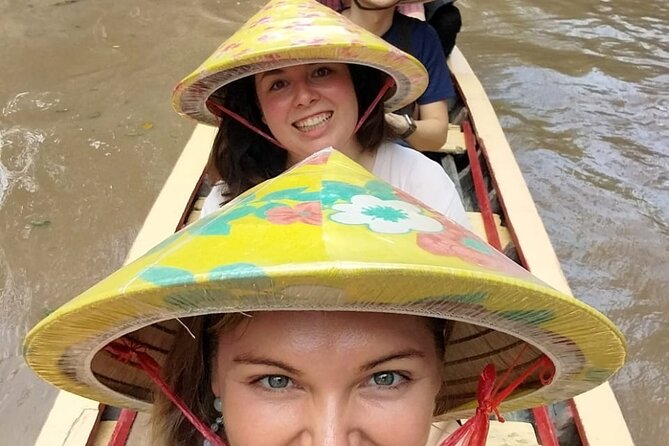
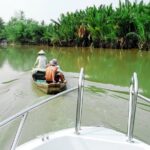
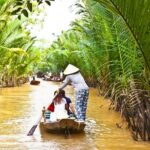
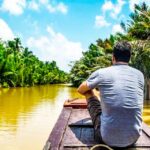
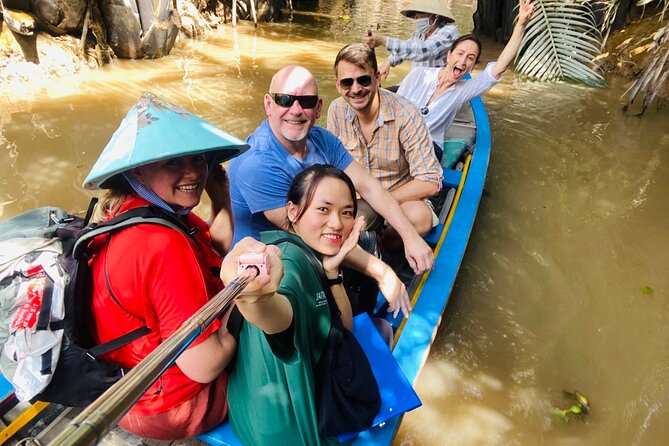
Around 3:20pm, you start kayaking. This is one of the most satisfying parts of the itinerary because you get a slower, lower-to-the-water perspective. Instead of scanning from a boat deck, you’re close enough to notice the water texture, the vegetation along the banks, and how narrow canals shape movement.
If you’ve only done sightseeing on the Mekong, kayaking changes the geometry of the day. You understand why waterways are the roads here. And because the tour is designed for smaller, private groups, the water portion tends to feel calmer than the crowded-day-tripper version.
Weather matters
This experience requires good weather. If rain or poor conditions hit, the operator will offer a different date or a full refund. Plan your booking with that in mind, especially if you’re traveling during a wetter stretch.
Guides Make or Break the Pace (Chao/Chow, Dennis, Mr. Hieu)
A day that includes biking, farming, cooking, and paddling lives or dies based on the guide’s energy and organization. The standout trend here is that guests repeatedly highlight guide enthusiasm and professionalism—particularly with names like Chao/Chow and Dennis—and also praise for Mr. Hieu’s welcoming, insightful approach.
What that means for you in practical terms:
- Your day is more likely to feel fun instead of frantic.
- Explanations around farming and local customs are clearer.
- Kids often do better when the guide actively manages the pace and attention.
Even if you’re not traveling with kids, the benefit is the same: you stop thinking of the Delta as scenery and start understanding it as a living system.
Price and Value: Is $85 Worth It?
At $85 per person, this isn’t a “cheap and fast” add-on. But it’s also not just paying for transport. You’re buying a full-day package that includes:
- Hotel pickup
- Private group format, so you’re not squeezed into a large crowd
- Multiple active segments: cycling, rice planting, fishing, canoe/kayak time
- A structured meal experience with a cooking class and lunch
- A cultural stop at Xom Trau Pagoda plus fruit orchard education
When you compare it to piecemeal Mekong bookings (separate cycling tour, separate boat/kayak tour, separate cooking class), the value often looks better. The bigger win for many people isn’t only cost—it’s that the day flows. Fewer transfers. Less time guessing. One guide linking the whole story together.
If you like structured days where you don’t have to plan logistics yourself, the price starts to make sense fast.
Who This Trip Fits Best (And Who Might Want to Think Twice)
This trip is best for people who enjoy doing things, not just watching them. Think:
- Families with kids who handle a busy day
- Active travelers who don’t mind biking and being on the water
- Food lovers who want banh xeo and spring rolls as a learning experience
- Travelers who want a less touristy slice of the Mekong Delta
Considerations before you book
- It’s packed by design. If you want a slow, leisurely day with lots of downtime, this may feel like too much.
- It depends on weather. Water activities are central, so poor conditions can disrupt the plan.
- If you have mobility issues or serious balance concerns, you’ll want to check with the operator since the activities include biking and getting in and out of boats (the data says most travelers can participate, but it doesn’t spell out physical limitations).
What to Pack for a Comfortable (Real) Countryside Day
You’ll be happier if you dress for getting a little wet and a little dirty. I’d pack:
- A change of clothes in a waterproof bag
- Water shoes or sandals with grip (for boat/wet dock moments)
- Sunscreen and a hat
- Bug spray
- A light towel
- Cash or a small card pouch for any add-ons, if needed (the tour uses mobile tickets, but not everything is always covered)
And yes, bring the small stuff that makes you comfortable. A day like this is short enough that you can’t power through discomfort.
Should You Book This Mekong Delta Canoe-Kayak-Cycling Day?
If you want a Mekong Delta day that feels hands-on—biking rice fields, participating in farming tasks, learning cooking, and paddling on quiet water—this is an excellent match. The biggest reason to book is the way the itinerary connects land, food, and waterways into one coherent story, without relying on the main tourist conveyor belt.
I’d skip it if you’re chasing a restful day with minimal physical effort, or if you’re booking close to bad-weather days and you hate rescheduling. But if you’re game for activity, food, and learning from a guide who clearly cares, this is the kind of day that makes the Delta feel real.
FAQ
How long is the Mekong Delta nature day trip?
The trip runs about 8 hours 40 minutes.
Is hotel pickup included from Ho Chi Minh City?
Yes. Pickup is offered from your hotel.
Is this a private tour or a group tour?
It’s private. Only your group participates.
What activities are included during the day?
You’ll cycle through the countryside, visit Xom Trau Pagoda (with an underground tunnel relic), join rice planting and catching fish, take a cooking class for spring rolls and banh xeo, visit a fruit orchard (lemon, guava, dragon fruit), and do canoe/kayak time.
What should I know about fruit tasting?
The tour highlights fruit such as dragon fruit, grapefruit, guava, and mango as seasonal options, and it includes a fruit orchard visit with lemon, guava, and dragon fruit.
What’s the cancellation policy and weather requirement?
The experience requires good weather. If it’s canceled due to poor weather, you’ll be offered a different date or a full refund. You can cancel for a full refund up to 24 hours before the experience starts.