REVIEW · HO CHI MINH CITY
Saigon: City Highlights & Unseen Tour|Opt: Female Riders
Book on GetYourGuide →Operated by VIETNAM STREET FOODS TOUR · Bookable on GetYourGuide
Saigon feels different when you stop walking. A scooter highlight loop lets you cover serious ground fast, while still getting the stories behind the streets. You’ll hit landmarks like the Thich Quang Duc monument, then break into color at Ho Thi Ky flower market. I also like that the route is built for variety: religion and street life in the same half-day.
Two things I like a lot. First, the safety-first driving—you’re in the hands of guides who handle tight traffic all the time. Second, the food stop isn’t a side quest; it’s a proper meal, usually grilled pork vermicelli with spring rolls, or beef noodle soup. That mix is why this tour works even if you’re only in Ho Chi Minh City for a short stay.
One consideration: the female Ao Dai rider option needs planning. You can request it, but you have to ask at least 6 hours ahead; if you’re booking late (or it’s crowded), you may be randomly assigned.
In This Review
- Quick hits before you book
- Riding Saigon by scooter in 4 hours
- Thich Quang Duc monument: a protest story that still resonates
- Ho Thi Ky Flower Market: the colors are the point
- Nguyen Thien Thuat Apartments: old buildings, real daily rhythms
- Chợ Campuchia: snacks and spices at the Cambodian Market
- District 5 and Thien Hau Temple (built 1760)
- Oldest church in Chinatown (built 1865): faith history in one stop
- The noodle meal and drinks: simple, local, filling
- Safety and comfort on a motorbike ride
- Price and value: why $24 can make sense here
- Female Ao Dai rider option: request timing matters
- Who should choose this tour (and who might not)
- Should you book this scooter highlight tour?
- FAQ
- How long is the tour, and what does it cost?
- What food and drinks are included?
- Do you provide safety gear for the motorbike ride?
- Can I request a female Ao Dai rider?
- Is pickup and drop-off included?
- Is accident insurance included?
- Are there luggage limits, and what’s the cancellation policy?
Quick hits before you book
- Thich Quang Duc monument: learn the 1963 self-immolation protest story tied to modern Vietnamese Buddhist history
- Ho Thi Ky Flower Market: the biggest flower market in Saigon, with photo-friendly stalls and optional small bouquets
- Nguyen Thien Thuat Apartments: old, lived-in blocks that show how Saigon residents actually live
- Chợ Campuchia (Cambodian Market): a smaller market with Vietnamese and Cambodian food, snacks, spices, and street scenes
- Thien Hau Temple (built 1760): an essential District 5 stop for Chinese heritage in Saigon
- First church in Chinatown (built 1865): a historical religious mix that many standard routes miss
Riding Saigon by scooter in 4 hours
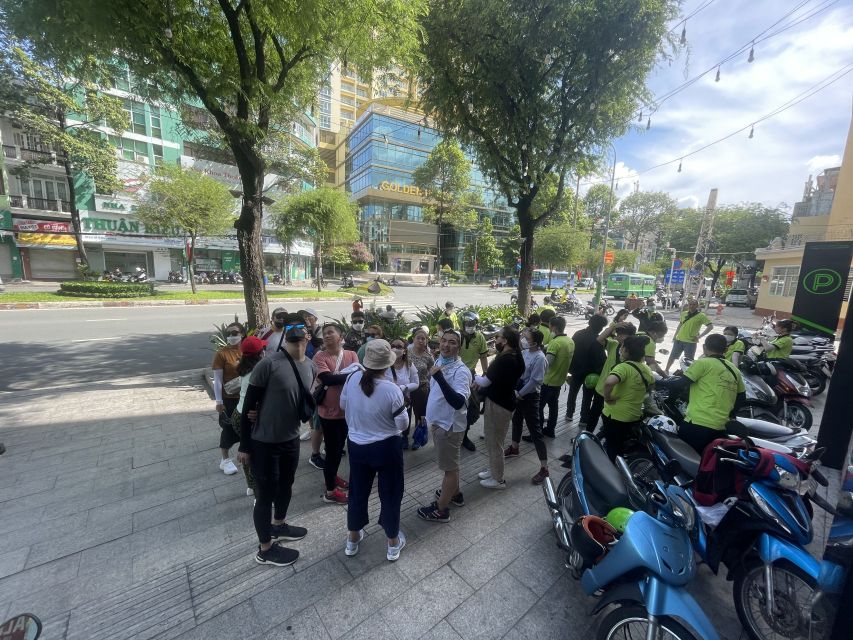
This is a short tour with a big payoff. You’re not just seeing landmarks—you’re getting from one theme to the next while traffic hums around you. The whole point of a motorbike city tour here is timing: you can cover multiple districts and cultures without spending your day on long transfers.
Because it’s a private group experience with pickup, it also feels less like a conveyor belt. You’ll still move at a steady pace, but your guide can slow down when you want photos or when a stop needs a bit more time to soak in. That’s one reason people consistently rate the transport and guides so highly.
There’s also a practical side: you get a high-quality open-faced helmet and a raincoat if needed. With Saigon weather, that matters.
You can also read our reviews of more city tours in Ho Chi Minh City


Thich Quang Duc monument: a protest story that still resonates
The tour starts at the Thich Quang Duc monument. This is where you learn about the story of Thích Quảng Đức, the Buddhist monk who self-immolated in 1963 as an act of protest. It’s one of those moments in history that isn’t just “back then”—it connects to how people talk about faith, politics, and public conscience in modern Vietnam.
What I like about this stop is that it doesn’t feel like a museum lecture. You get the story, then you’re immediately back outside, watching how the city moves. That contrast helps you understand how history lives in everyday life, not only in plaques.
A small caution: if you’re not into heavy historical moments, this stop can feel intense early in the day. It’s still worth it—just mentally prep for a serious topic.
Ho Thi Ky Flower Market: the colors are the point
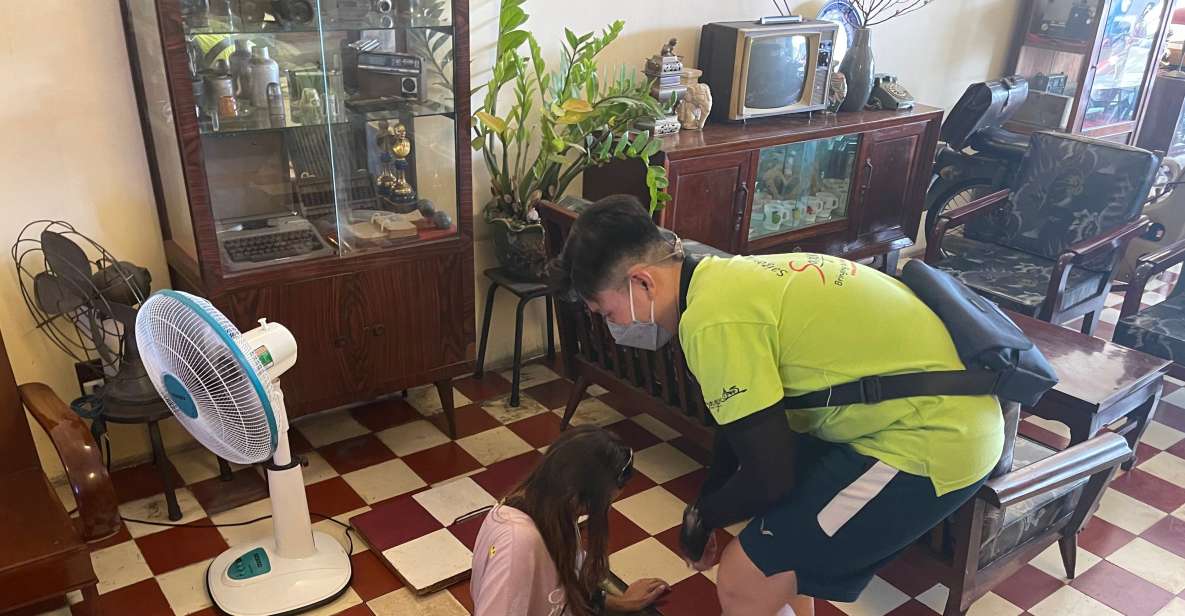
Next comes Ho Thi Ky Flower Market, described as the largest flower market in Saigon. This is where the tour gets sensory fast—rows of roses, orchids, lilies, and the kind of close-up stall energy that’s hard to recreate by walking.
Expect a fun visual break from roads and traffic. You’ll have time to wander, take pictures, and even grab a small bouquet if you want a souvenir that smells good for longer than typical postcards.
Practical tip: wear comfortable shoes and keep your camera strap secure. Flower market aisles are tight, and you’ll want both hands free when you’re chatting with vendors or choosing a bouquet.
Nguyen Thien Thuat Apartments: old buildings, real daily rhythms
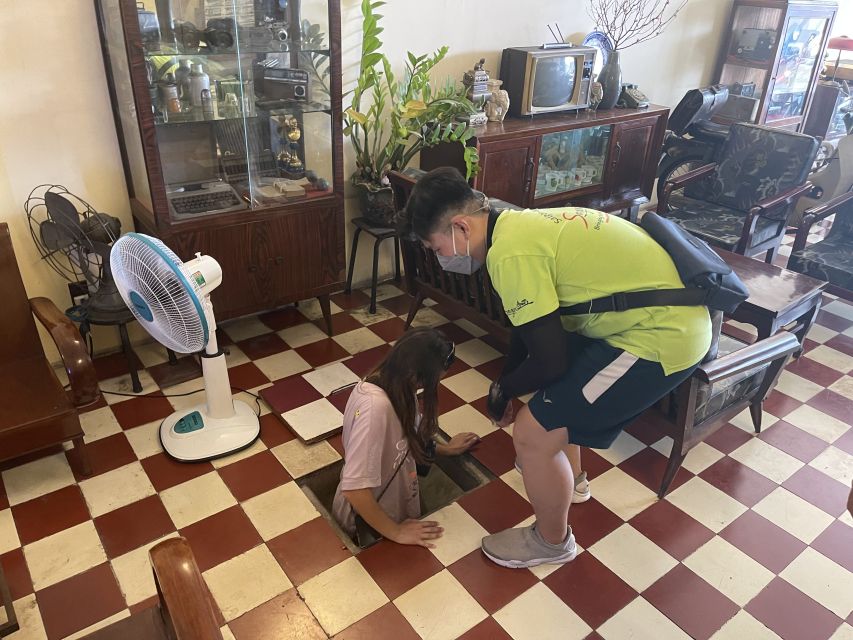
Then you head to the Nguyen Thien Thuat Apartments—old apartment blocks that feel lived-in rather than staged. This is one of the stops that turns “city sightseeing” into “city understanding.”
You’re not looking at architecture just to admire it. You’re looking at housing as a social snapshot: how people build routines, share space, and keep life going in dense urban neighborhoods.
The advantage here is depth without a long commitment. In roughly a short stop, you get a sense of Saigon beyond the glossy viewpoints. The drawback is that the area is busy and people may be going about their day, so keep your voice respectful and your movements considerate.
Chợ Campuchia: snacks and spices at the Cambodian Market
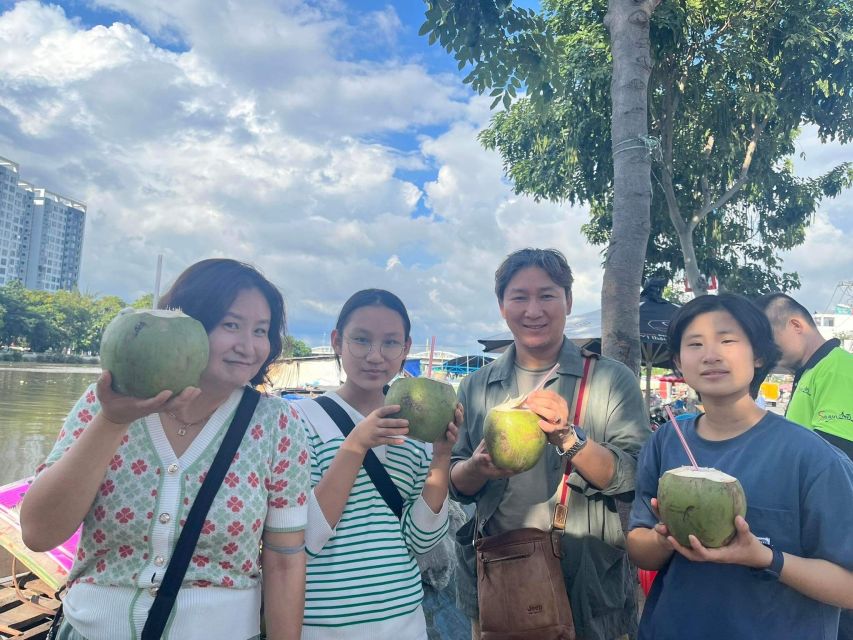
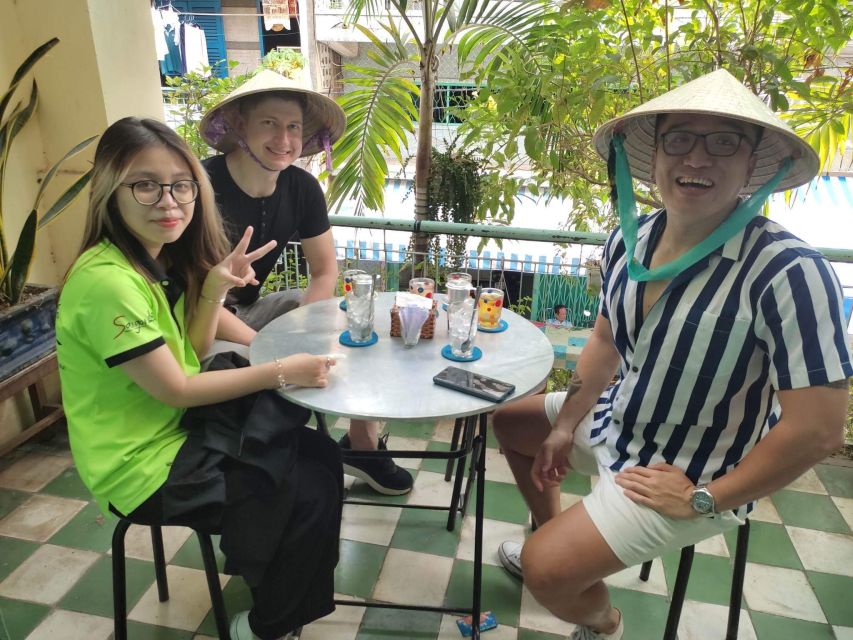
After the apartment stop, you visit Chợ Campuchia (Cambodian Market), a smaller market known for a mix of Vietnamese and Cambodian culture. This is the kind of place where your senses lead the way: you’ll spot snacks, spices, and everyday goods you might not find on big tourist loops.
Even if you don’t buy much, it’s a strong experience because you can ask questions, watch how people shop, and understand how regional influences show up in food and daily life.
If you have a sensitive stomach, keep it simple and stick to what your guide suggests. The tour includes drinks and a meal later, so you don’t need to force big tasting plans here.




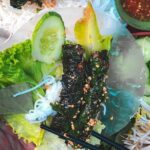
District 5 and Thien Hau Temple (built 1760)
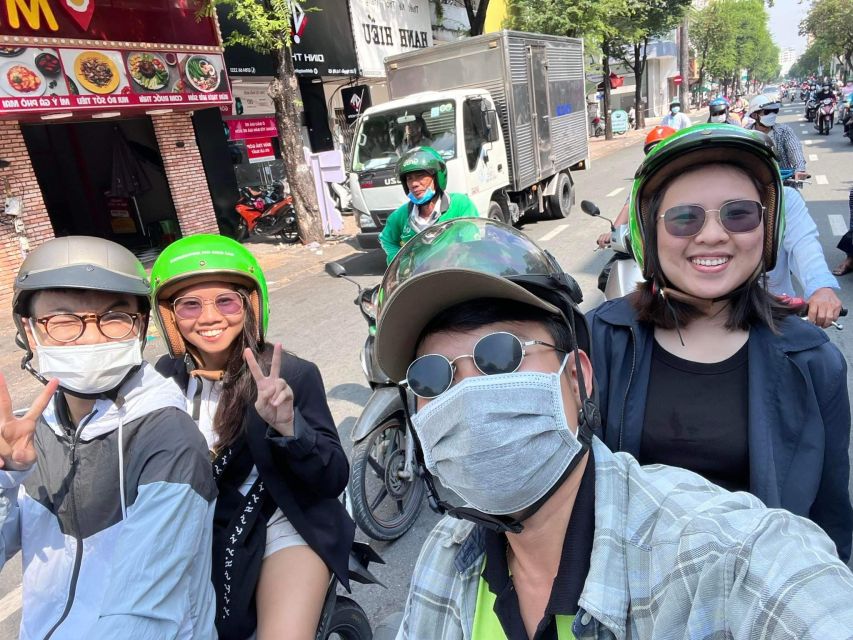
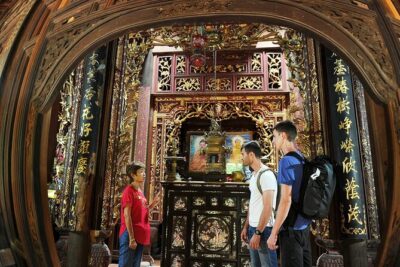
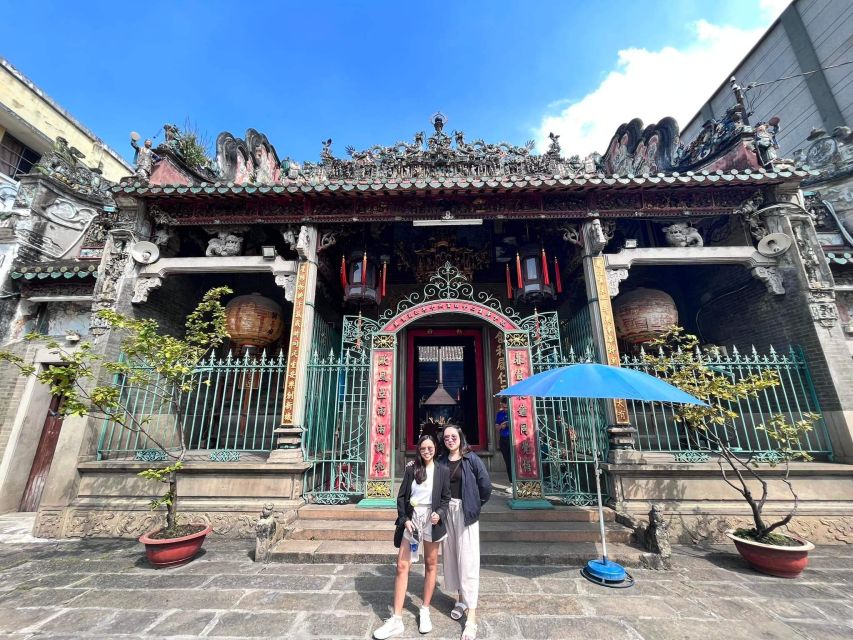
From there, you move into District 5 to visit the Thien Hau Temple, also called a Thien Hau pagoda, built in 1760. It’s described as the oldest temple in Chinatown, and it’s an important stop if you want the Chinese heritage layer of Saigon—not just the general idea, but the specific place.
Why this temple matters: it gives context for how Chinatown communities have shaped the area’s culture over time. The temple isn’t only an architectural stop; it’s a living religious site, and the tour helps you understand what you’re seeing and why locals connect to it.
Dress note: you’ll likely be expected to dress modestly inside temple spaces. If you’re wearing shorts, consider bringing a light layer you can hold or tie.
Oldest church in Chinatown (built 1865): faith history in one stop
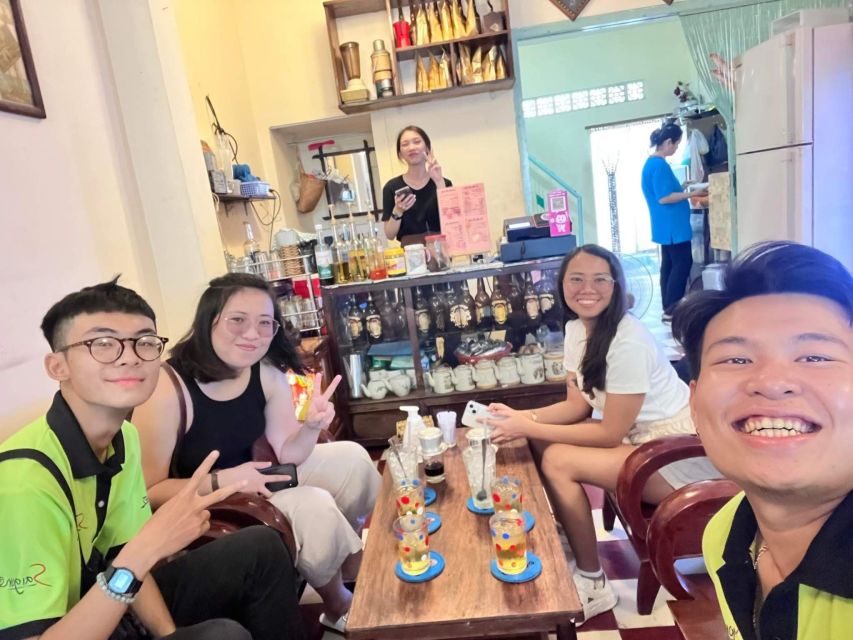
The last major cultural anchor is the oldest church in Ho Chi Minh City in Chinatown, built in 1865 by Father Phillippe, connected to the Paris Missionaries Association of the Diocese of Canton. This is a rare historic mix—seeing a Christian church positioned inside a neighborhood known for strong Chinese cultural presence.
What I like about this stop is that it broadens the story beyond one faith tradition. Saigon’s religious history is layered, and this tour makes that layering visible without turning the day into a classroom.
A consideration: if you’re expecting modern city views at this point, you’re switching gears to architecture and heritage. That shift is exactly why the tour feels “unseen” compared with one-theme sightseeing.
The noodle meal and drinks: simple, local, filling
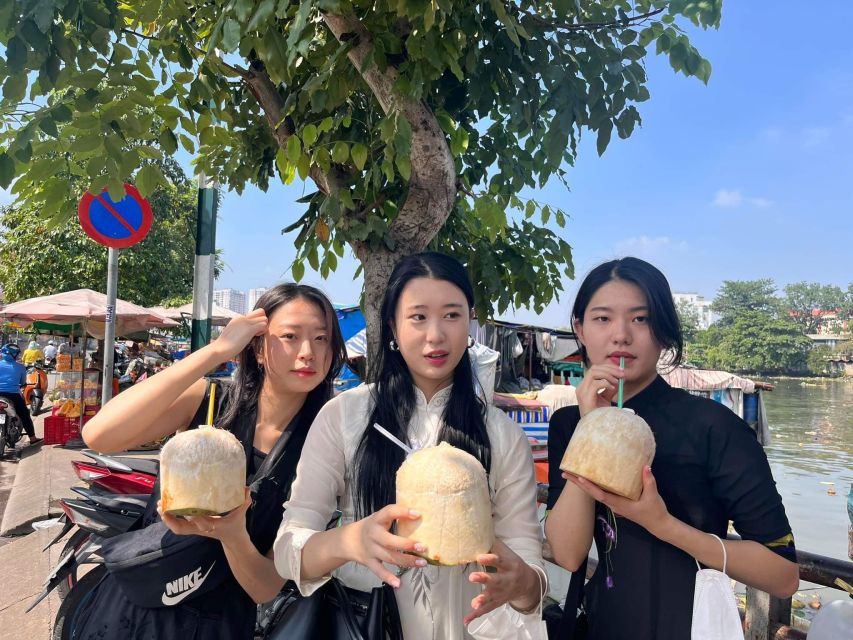
The food part is a real reason to book. You get two kinds of drinks and one meal during the 4 hours. The meal options are grilled pork vermicelli with spring rolls or beef noodle soup (pho). This is straightforward Vietnamese comfort food, but it’s also a smart way to fuel up for scooter riding.
Here’s the practical value: many half-day tours either skip meals or serve something small and forgettable. This one gives you a bowl or plate you can actually enjoy, then you’re set for the ride through multiple stops.
What to do if you’re picky: if you have dietary preferences, you can ask your guide directly. The tour data doesn’t spell out special menus beyond the two meal options, so clear communication helps.
Safety and comfort on a motorbike ride
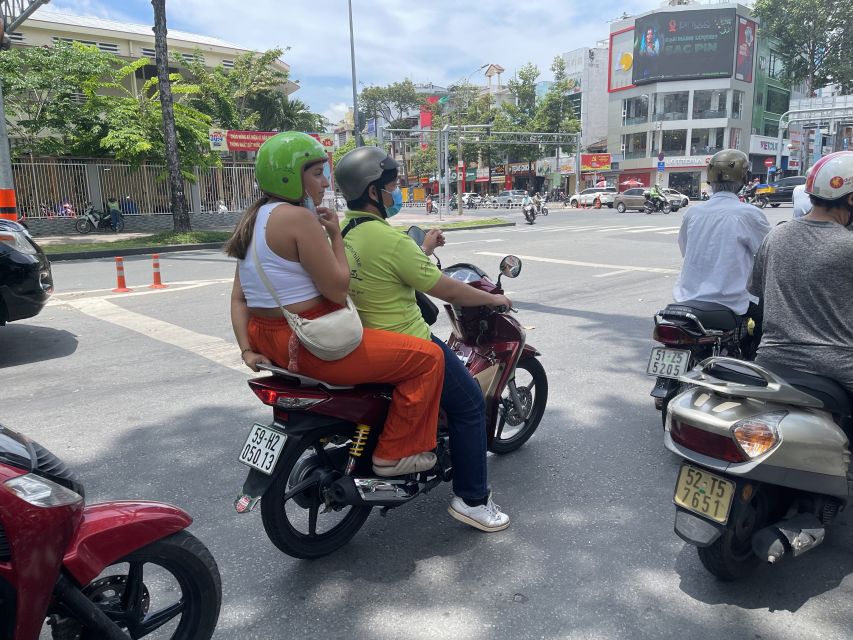
Let’s talk about the elephant in the room: motorbikes in Ho Chi Minh City take confidence. This tour’s biggest selling point isn’t just the scooter—it’s that the guides focus hard on safe riding. People repeatedly mention drivers making them feel secure even in heavy traffic.
You’ll also get a high-quality open-faced helmet and a raincoat if needed. That gear isn’t just for comfort; it’s practical protection. When you’re traveling through the city quickly, you don’t want to get slowed down by minor weather.
Guide names that show up in strong feedback include Lin and Minh, plus Lyn and Moon. Across those different names, the common thread is the same: clear communication and careful driving.
If you’re new to scooter riding, give yourself permission to be alert. Keep your hands relaxed and hold onto the designated grips. A good guide will do the rest.
Price and value: why $24 can make sense here
At $24 per person for 4 hours, this tour is priced for people who want maximum city coverage without paying for multiple separate activities. And the value isn’t only about the sightseeing stops.
You’re paying for:
- 4 hours on a motorbike with a guide
- a helmet and raincoat
- two drinks and one meal
- accident insurance
- pickup and drop-off in parts of central districts (District 1, 3, 4, with some exclusions)
When you compare that to piecing together taxis, paid walking tours, and a separate food plan, the math starts to look better fast. The private setup also helps. You’re not waiting around for a big group to match everyone’s pace.
One more value note: the guide’s role is doing more than translation. They’re explaining why a place matters—Thích Quảng Đức’s 1963 protest story, the meaning of Thien Hau’s place in Chinatown, and what you’re seeing at an old apartment area and a mixed-market neighborhood.
Female Ao Dai rider option: request timing matters
If you specifically want a female Ao Dai rider, you should request it at least 6 hours in advance. If you book within 6 hours (or it’s a crowded day), rider assignment may be random (male or female).
That’s not a problem for most people, but it’s important if this detail is part of your personal preference. Plan early and you’ll reduce the chance of disappointment.
Who should choose this tour (and who might not)
This tour fits best if you:
- want a fast, practical introduction to Saigon beyond the big-name landmarks
- like food that’s part of the route, not an afterthought
- are comfortable riding pillion (and want safety-focused drivers)
- prefer a guided explanation while you move through multiple districts
Consider a different option if you:
- feel uncomfortable with scooter traffic and want a quieter pace (there’s no walking-only alternative mentioned)
- need strict medical accommodations, or you travel with oversized luggage (oversize luggage isn’t allowed)
Should you book this scooter highlight tour?
If you want the best chance of seeing a lot of Saigon without spending your day on logistics, I’d book. The tour’s strongest combo is scooter time + cultural stops + a real noodle meal, wrapped in an English-speaking guide experience designed to keep you safe.
The biggest reason to hesitate is simple: if you care about the female Ao Dai rider option, request it early. If you don’t, this is a strong, efficient way to get the city’s layers—monuments, markets, temple heritage, and an 1865 Chinatown church—into one half-day.
FAQ
How long is the tour, and what does it cost?
The tour runs for 4 hours and costs $24 per person.
What food and drinks are included?
You’ll get 2 kinds of drinks and 1 meal. The meal is either grilled pork vermicelli with spring rolls or beef noodle soup.
Do you provide safety gear for the motorbike ride?
Yes. You receive a high-quality open-faced helmet, and a raincoat if needed.
Can I request a female Ao Dai rider?
Yes, but you must request it at least 6 hours in advance. If your request is made within 6 hours or on crowded days, rider assignment may be random (male or female).
Is pickup and drop-off included?
Yes. Pickup and drop-off are included for District 1, District 3, District 4, and some exclusions apply.
Is accident insurance included?
Yes. Accident insurance is included.
Are there luggage limits, and what’s the cancellation policy?
Oversize luggage isn’t allowed. You can cancel up to 24 hours in advance for a full refund.