REVIEW · HO CHI MINH CITY
Small Group Full-Day Cu Chi Tunnels and Mekong Trip
Book on GetYourGuide →Operated by MILLENIUM TRAVEL CO.,LTD · Bookable on GetYourGuide
Two worlds, one long day. You’ll go from Cu Chi Tunnels and trap-door war survival to the slower rhythm of the Mekong Delta with boats, canals, and local food. I love how the day connects history to everyday life with hands-on moments like the tunnel walkthrough and cassava/tea tasting, not just a lecture.
One thing to consider: this is a long, early schedule with a lot of driving, and the day can feel packed even if the stops are well spaced. If you want a relaxed pace, plan for fatigue and make sure your shoes and water are ready.
In This Review
- Quick hits before you go
- Cu Chi Tunnels: More Than a War Museum
- Inside the Maze: Traps, Trap Doors, and Why the Details Matter
- Cassava and Wartime Tea: The Day’s Most Unforgettable Bite
- Lunch Break: Simple Vietnamese Food, Proper Fuel
- My Tho and the Tien River: Slow Travel After a Heavy Morning
- Coconut Candy, Honey Tea, and Fruit Farms: Small-Scale Craft You Can See
- Folk Music on the River: Culture That Isn’t Just a Photo Stop
- The Packing List That Actually Matters
- Value for $55: Two Major Stops Without Wasting Your Day
- Who Should Book This Tour?
- Should You Book Cu Chi Tunnels and Mekong in One Day?
- FAQ
- What time does hotel pickup happen?
- Where is the meeting point for the tour?
- How long is the full day trip?
- What’s included in the price?
- Do I need to bring an ID or passport?
- What should I wear and bring?
- Is this tour suitable for wheelchair users or pregnant women?
- Is the tour language English?
Quick hits before you go
- Cu Chi trap doors and hidden defenses shown in an on-site, guide-led route
- Cassava and wartime tea tasting that turns a lesson into a flavor memory
- My Tho cruise on the Tien River plus canal riding on wooden sampans
- Family-business coconut candy mill with honey and fruit stops
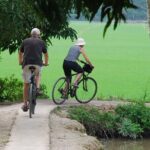
- River-side extras like bike time and live folk music on some runs
Cu Chi Tunnels: More Than a War Museum
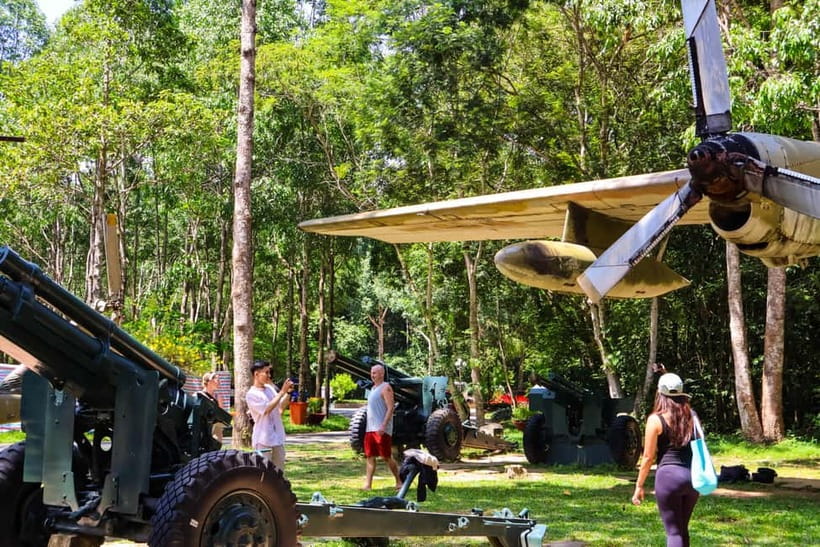
If you’ve ever wondered how people can adapt when everything gets stripped away, Cu Chi is the place to think that through. The tour starts with hotel pickup in central Ho Chi Minh City, then a drive of about 1.5 hours before you reach the tunnels. After you arrive, you’ll watch a short intro video that sets the scene for how the network was built and what daily life meant during the war.
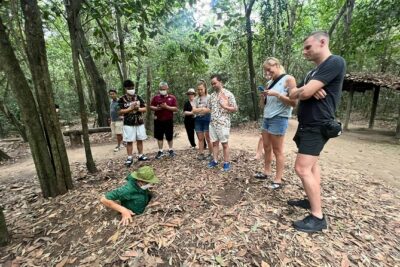
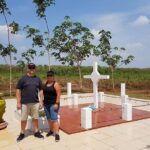
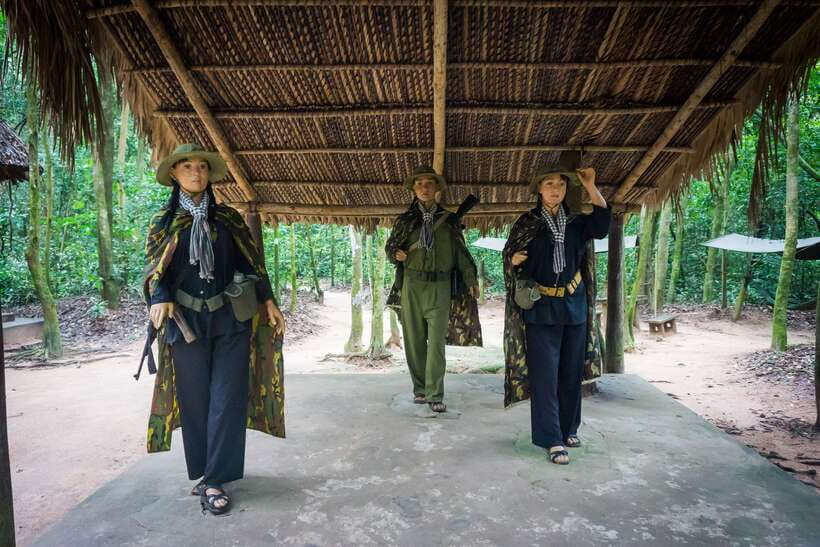
The main event is the on-site exploration with your English-speaking guide. You’ll follow a route through remaining tunnel sections and key functional areas—things like kitchens and bedrooms placed close together, plus facilities tied to making and managing weapons. You also get to see command-center and hospital-style areas, which helps the story move beyond the dramatic parts and into how survival was organized.
What I like most is that the tour doesn’t treat the tunnels like a single big hole in the ground. It’s explained like a whole system: living, working, receiving, and defending. A good guide can make it feel real, and many guides are praised for energy and clarity—some names you might hear in the rotation include Min, Dat, and Peter.
One practical note: this isn’t a light, casual stop. The subject matter is intense, and the tunnel route involves walking through uneven spaces and getting close to things designed for danger. If you don’t like grim history, or you get anxious in confined environments, take that seriously before you book.
You can also read our reviews of more tours and experiences in Ho Chi Minh City


Inside the Maze: Traps, Trap Doors, and Why the Details Matter
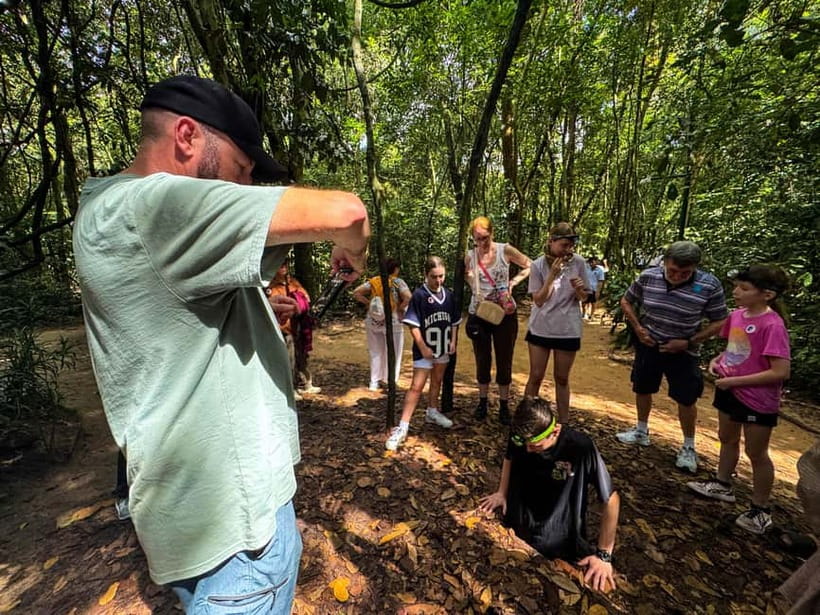
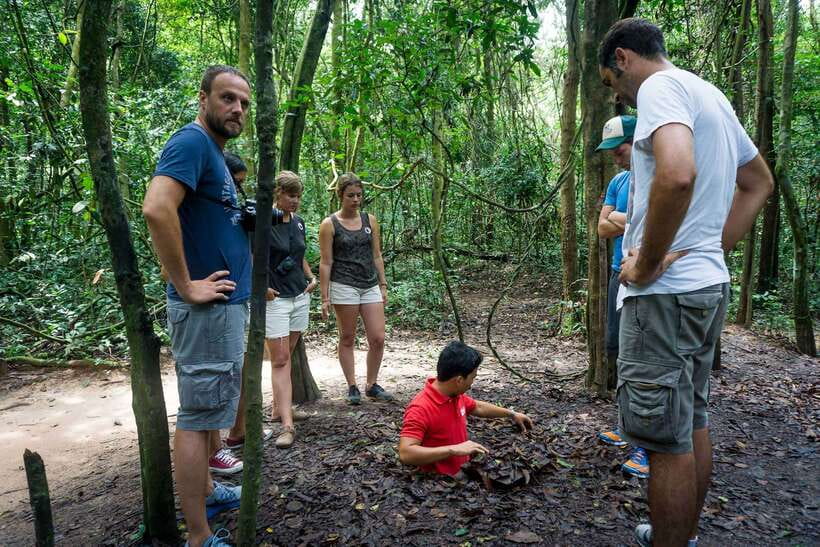
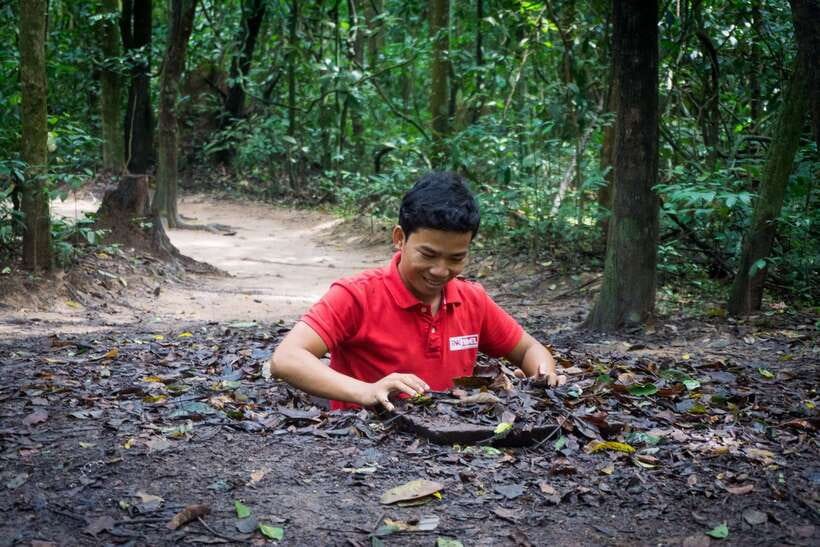
The Cu Chi portion includes a focus on security—specifically the dangerous traps and hidden trap doors built to protect guerrillas in a maze-like tunnel network. You’ll learn why these features existed and how the layout supported movement and secrecy. Even if you already know Vietnam’s history in broad strokes, these details add the missing layer: how people thought about safety when the world was actively hostile.
This is also where your guide’s style matters. Some guides are singled out for demonstrating the trap concepts clearly, while others get mixed feedback on English accent. If you’re sensitive to heavy accents, arrive on time so you can settle in and ask any clarifying questions at the start.
You’ll leave Cu Chi with a different kind of understanding. It’s not just facts—it’s the mental model of how survival planning worked. That’s what turns the tunnels from a sightseeing checkbox into a meaningful experience you can actually carry home.
Cassava and Wartime Tea: The Day’s Most Unforgettable Bite
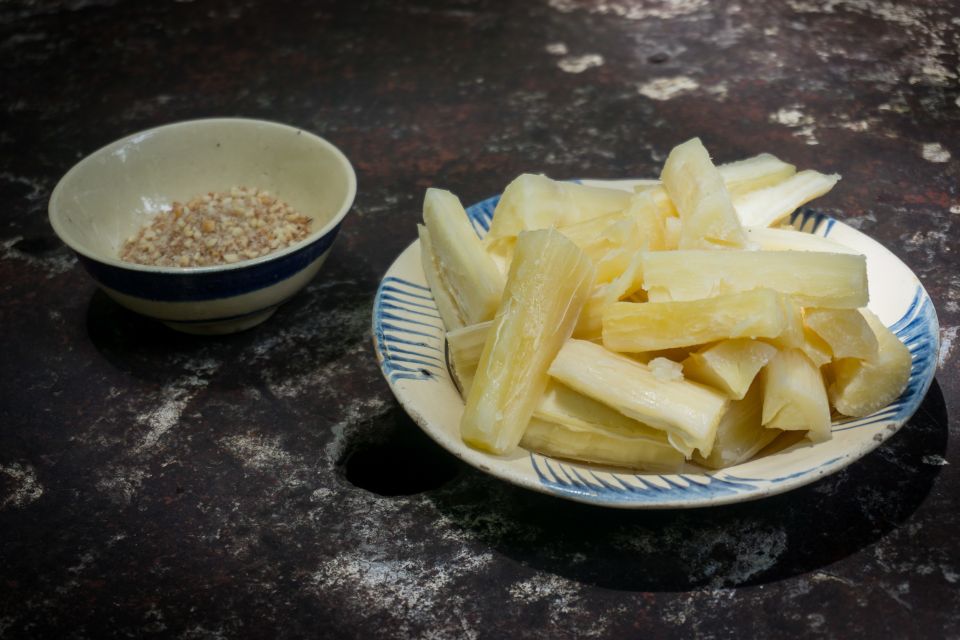
After the tunnel exploration, you’ll taste cassava and tea—food that was described as everyday staples for the guerrillas. It’s a small moment, but it changes the mood. Suddenly you’re not just looking at history; you’re tasting what kept people going.
Cassava shows up in Vietnam in lots of everyday forms, but here it has a specific story behind it: it’s tied to scarcity and practicality. The tea pairing helps too. You get that slightly bitter, comforting feel that fits the theme of endurance.
I also like that the tour doesn’t stop at one snack. In the Mekong segment, you’ll keep encountering foods and drinks tied to local production—fruit, honey tea, and sweet treats like coconut candy. The day becomes a chain of flavors that mirrors the chain of places you visit.
Lunch Break: Simple Vietnamese Food, Proper Fuel
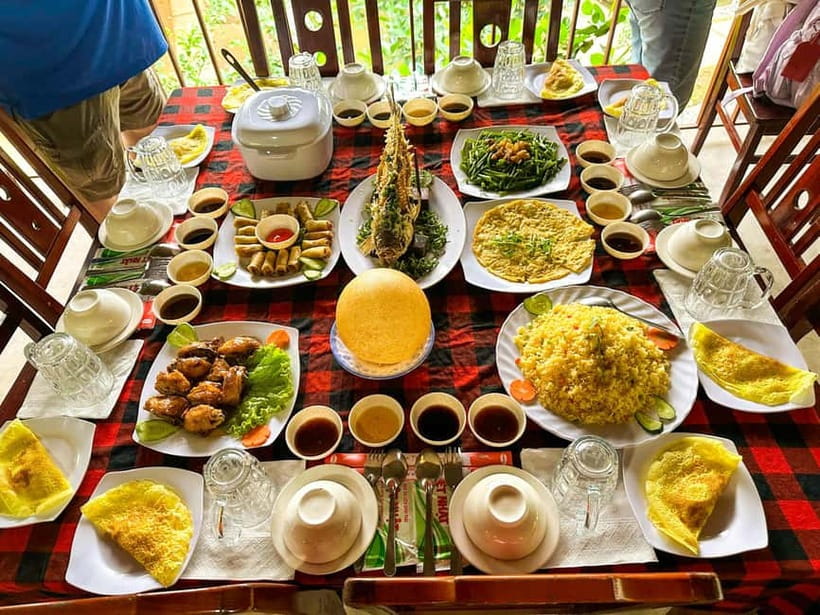
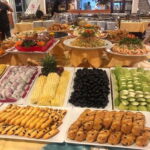
You’ll have lunch at a local restaurant serving Vietnamese cuisine. This matters on a full-day tour because both parts—Cu Chi and the Mekong—require mental focus. Lunch is your reset.
The exact menu isn’t guaranteed here, so keep expectations flexible. What you can count on is the vibe: local cooking, not a tourist buffet in a fancy room. If you’re picky about spice or textures, eat a bit slowly and hydrate before you head back out.
Also, you’ll be provided one bottle of mineral water as part of the tour inclusions. Bring cash for drinks on the day if you think you might want extras—some river-side stops have opportunities to buy beverages, and I’d rather you be prepared than surprised.
My Tho and the Tien River: Slow Travel After a Heavy Morning
After lunch, you’ll head to My Tho and the Mekong Delta area. This is where the day changes gears. Instead of tunnels and traps, the focus becomes the river life around the Tien River.
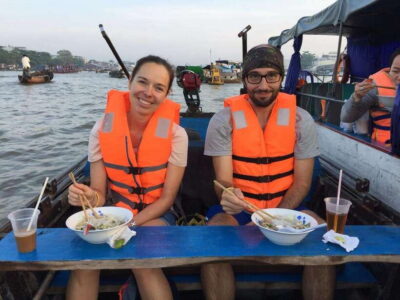
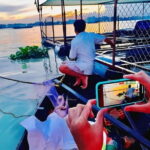
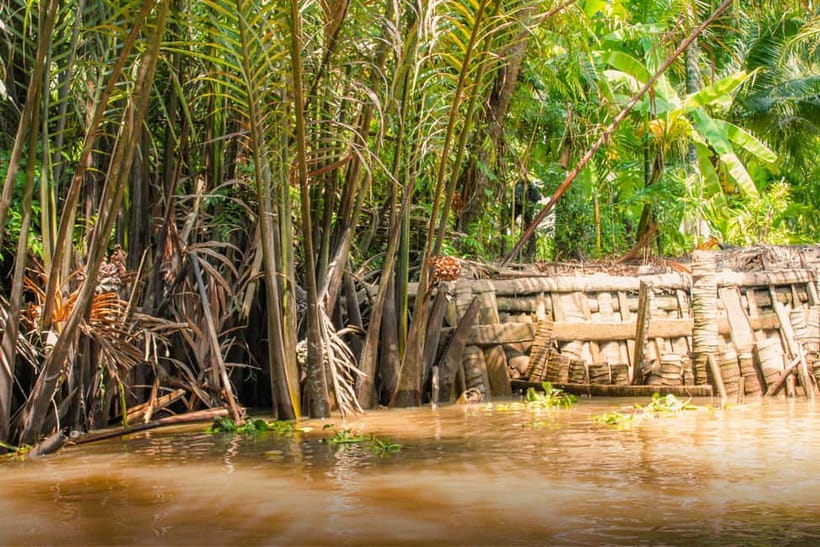
You’ll take a leisurely cruise along the river, which gives you a break from the earlier intensity. From the water, you start to notice how the region is built around canals and trade routes, not roads. It’s a different kind of geography lesson—less about survival and more about how people live with water.
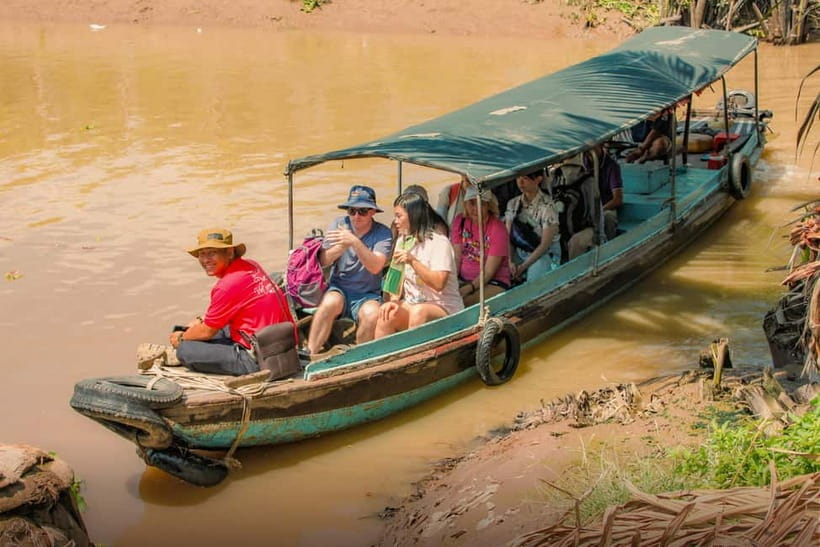
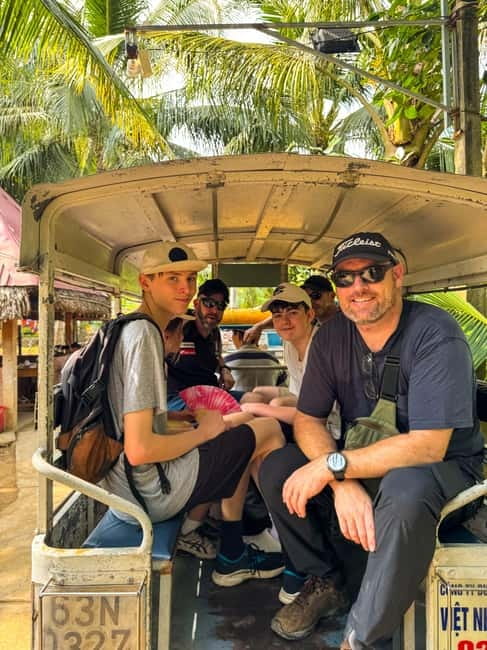
In addition to the cruise, you’ll ride wooden sampans through small canals. This canal time is often the most atmospheric part of the Mekong segment. The pace is gentle, and the river surroundings feel closer than you’d get from a bigger boat.
On some runs, the Mekong part includes different boat styles across multiple stages. If you see that option during check-in, it’s worth staying open-minded. The variety helps you understand how canal travel works in practice, not just on paper.


Coconut Candy, Honey Tea, and Fruit Farms: Small-Scale Craft You Can See
In My Tho, you’ll visit production stops tied to what Southern Vietnam is known for: coconut-based sweets, honey, and seasonal fruit. First up is a coconut candy mill—described as a family business. This kind of stop is valuable because you see how a snack becomes a regional symbol.
You’ll also get honey-related tasting time, including fruit and honey tea. Some guides add other tastings on certain days, such as honey or cacao samples. If sweets aren’t your thing, you’ll still get plenty from the fruit portion and the chance to talk to the people running these operations.
One important practical tip: keep an eye on what you’re offered and how it’s portioned. You’ll already have eaten lunch and snacks, so go light if you’re also planning to buy drinks. I’ve found that pacing yourself is the difference between enjoying the day and feeling stuffed before the music and boat rides.
Folk Music on the River: Culture That Isn’t Just a Photo Stop
Southern Vietnam has a strong folk tradition, and the tour includes music performed by locals. This isn’t just background noise. It gives you a sense of how community life fits into the river rhythm.
Depending on the day and guide, there can also be additional cultural touches—some runs mention live music in a more direct way, and that tends to land well because the river environment already sets a relaxed mood.
I like this pairing: Cu Chi gives you the hard edge of history, then the Mekong adds the human voice. It’s a reminder that the same country that endured hardship also generates everyday art and celebration.
The Packing List That Actually Matters
You’ll want to show up ready for sun and walking. The tour asks you to bring passport or ID, wear comfortable shoes, and pack sunglasses and a sun hat. That’s not optional advice. Your day includes time outdoors at both Cu Chi and along the river.
Not allowed items are also clear: no pets, no smoking, and no luggage or large bags. It’s best to travel light and keep essentials in a small day pack. The less you carry, the easier it is to focus on the route and the explanations.
And remember: the tour is not suitable for wheelchair users, and it’s not suitable for pregnant women. That’s a safety call for a day with walking and movement between stops.
Value for $55: Two Major Stops Without Wasting Your Day
At $55 per person, this tour is priced to make sense for one-day visitors who want both Vietnam’s war story and Southern river culture. You’re not just paying for transportation; you’re paying for two guided experiences, entrance fees, a lunch, and included tastings and boat time.
Here’s what makes that value real:
- A/C van plus hotel pickup in central District 1 hotels
- English-speaking guide guiding the Cu Chi story and the Mekong stops
- Boat and sampan rides plus entrance fees
- Lunch and tastings like cassava, fruit, and honey tea
One thing you should expect: the day is long. The reviews often mention substantial driving time. Even with good planning, it’s hard to fit Cu Chi and the Mekong Delta into a short window. So if you’re prone to skipping details when you’re tired, know that this itinerary runs on attention, not speed.
Guides can make a big difference. Many people praise guides who are energetic and careful with the group—names that come up include Xuyen and Jack Diem. If your guide’s English is difficult to follow, ask a question and slow down at key moments like the trap-door explanations.
Who Should Book This Tour?
This is a great match if you want:
- A single full day to see both Cu Chi and the Mekong region
- A guided history experience that includes specific features like traps and hidden doors
- Food tastings beyond a generic lunch, especially cassava and honey tea
- A mix of sights: tunnels, then boats, canals, farms, and folk music
It’s also a solid pick for first-timers in Ho Chi Minh City because it covers two of the region’s biggest themes. If you already know Vietnam history very well and want only light sightseeing, you might find Cu Chi emotionally heavy. If you dislike early mornings, the start time is another factor.
If you want a relaxed, pick-your-own-pace day, you may prefer splitting this into two separate trips instead. But if your time is limited, this combo is the practical solution.
Should You Book Cu Chi Tunnels and Mekong in One Day?
Yes—book it if you can handle an intense history stop and you’re ready for a full-day schedule. The value is strong for $55 because you get guided Cu Chi entry, included boat time on the Mekong, lunch, and multiple tastings.
Skip it if you want a slow pace, or if tunnel walking and early pickup will feel too demanding. Also consider that English clarity depends on the guide, so if you strongly prefer very crisp English, plan to ask questions during the day.
If you do go, treat the day like a story: war survival in the morning, then river life and local craft in the afternoon. That contrast is the point.
FAQ
What time does hotel pickup happen?
Pickup from centrally located Ho Chi Minh City hotels starts between 6:45 AM and 7:00 AM. If you’re staying outside the city center and District 1, you’ll meet at the listed pickup point at 7:00 AM.
Where is the meeting point for the tour?
You meet your guide between 07:00 and 07:15 AM at 112 Tran Hung Dao Street, Ben Thanh Ward, District 1, Ho Chi Minh City.
How long is the full day trip?
The tour returns to Ho Chi Minh City at about 7:00 PM, typically around 19:30, depending on traffic.
What’s included in the price?
The tour includes an air-conditioned van, hotel pickup and drop-off for centrally located hotels in District 1, an English-speaking guide, entrance fees, boat trips in the Mekong Delta, lunch at a local restaurant, fruit and honey tea, and one bottle of mineral water.
Do I need to bring an ID or passport?
Yes. Bring a passport or ID card, since it’s required for the day.
What should I wear and bring?
Wear comfortable shoes and bring sunglasses and a sun hat. The tour also asks you not to bring large bags or luggage, and to travel without pets or smoking.
Is this tour suitable for wheelchair users or pregnant women?
No. It is not suitable for wheelchair users and not suitable for pregnant women.
Is the tour language English?
Yes. The tour is run with an English-speaking guide.