REVIEW · HO CHI MINH CITY
Bassac Mekong Delta Cruise 2Days – 1Night
Book on Viator →Operated by Mekong River Luxury Cruises · Bookable on Viator
Small boat, big river moments.
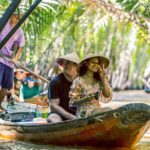
This Bassac Mekong Delta Cruise puts you on a wooden 80-foot rice barge and pairs that calm ride with market stops like Cai Be. You get round-trip transfers from Ho Chi Minh City, so you spend your energy looking at boats and canal life instead of figuring out logistics.
I especially like the hands-on food and service that feel genuinely part of the journey. A lot of the fun here is simple: check into your cabin, eat well while cruising, and watch the river change as the day moves.
One key thing to plan for: this trip does not include accommodation on either side of the cruise. You’ll need your own hotel in Ho Chi Minh City (and/or wherever you’re staying after), while the cruise itself covers the on-board nights and meals.
In This Review
- Key points to know before you go
- A wooden barge and real market hours
- Price and logistics: what you’re paying for
- Getting started in Ho Chi Minh City (and what 7:30 am really means)
- Day 1: Cai Be Floating Market + onboard cruising to Cho Lach
- Noon boarding and cabin check-in
- Lunch while cruising
- Cai Be Floating Market: the shopping stop
- Day 2: early breakfast, Tra On in the morning, then Cai Rang
- Breakfast time and morning departure
- Tra On floating market stop
- Cai Rang Floating Market on day two
- Land excursions: bikes, village life, and basket-making
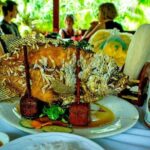
- Food on board: why it’s not an afterthought
- The ship experience: deck time, small cabins, and a crew that sets the tone
- Group size and pace: how it affects your day
- What to pack for a Mekong Delta cruise like this
- Who this cruise fits best (and who should think twice)
- Should you book the Bassac Mekong Delta Cruise 2 Days, 1 Night?
- FAQ
- What does the Bassac Mekong Delta Cruise cost and how long is it?
- What’s included in the price?
- Are drinks included?
- Do I get accommodation with this cruise?
- Which floating markets do you visit?
- Where does pickup happen, and when does the tour start?
- How big is the group?
- Is a mobile ticket provided?
- What is the cancellation policy?
Key points to know before you go
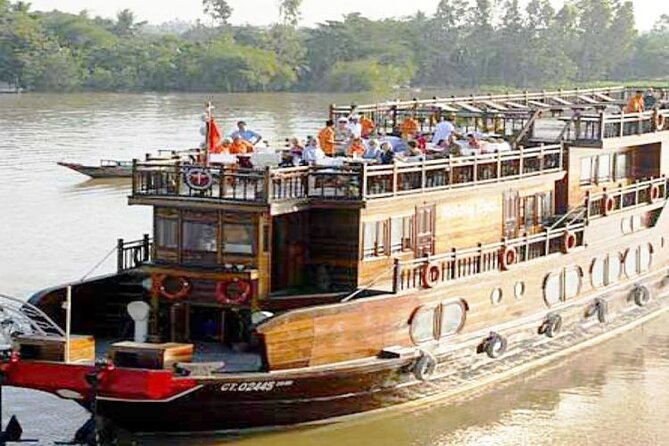
- 80-foot wooden rice barge: a more traditional river-boat feel than many modern copies.
- Round-trip transfer from Ho Chi Minh City: you meet at 7:30 am and return to the same meeting point.
- Floating market schedule: Cai Be on day one, then Tra On and Cai Rang on day two.
- Small group size: capped at 20 travelers, so the day feels easy to manage.
- Land time beyond the boat: bike or walking options and a village visit (including basket-making).
- Meals included, drinks not included: you’ll be fed for two days, but you’ll pay for beverages.
A wooden barge and real market hours
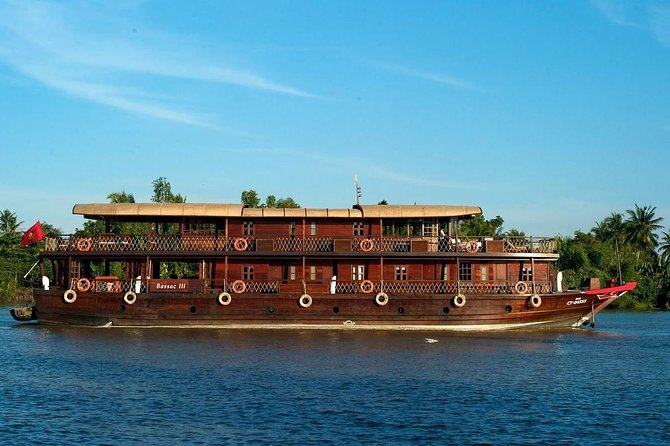
The Mekong Delta is famous for floating markets, but the real payoff of this cruise is how the boat experience slots into the rhythm of the river. You’re not just sitting near a dock for a photo. You’re moving along the Tien Giang and other waterways, then arriving at market areas where boats, produce, and people all mix.
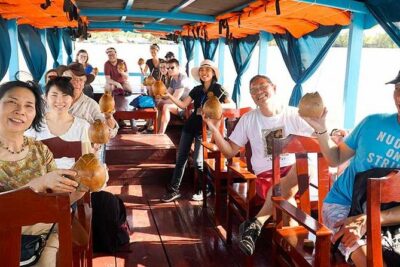
This is a group tour, so the vibe is shared—sometimes that means easy conversation, sometimes it means keeping your own pace. Either way, the small-boat feel helps. One guest specifically described the Bassac 2 as having a small cabin setup (around a dozen cabins), which tends to make meals and deck time feel like a slow, communal routine rather than a big bus-on-water scene.
You can also read our reviews of more boat tours in Ho Chi Minh City

Price and logistics: what you’re paying for
At $680 per person, you’re not buying a “cheap and cheerful” day trip. You’re paying for three things that add up fast if you try to DIY: round-trip transfers from Ho Chi Minh City, a guided experience, and meals for two days.
Here’s how the value typically works out for you:
- Transfers remove the hardest part of the Delta: getting to Cai Be and back efficiently.
- A guide keeps the timing lined up with market hours (and helps you know what you’re seeing).
- Food is included for the cruise days, which means fewer surprise costs once you’re on the water.
The one cost category that isn’t included is drinks. If you like soda, beer, or cocktails, plan on paying for those separately.
Also note the cancellation setup: this booking is non-refundable and can’t be changed, so it’s best for dates you’re confident about.
Getting started in Ho Chi Minh City (and what 7:30 am really means)
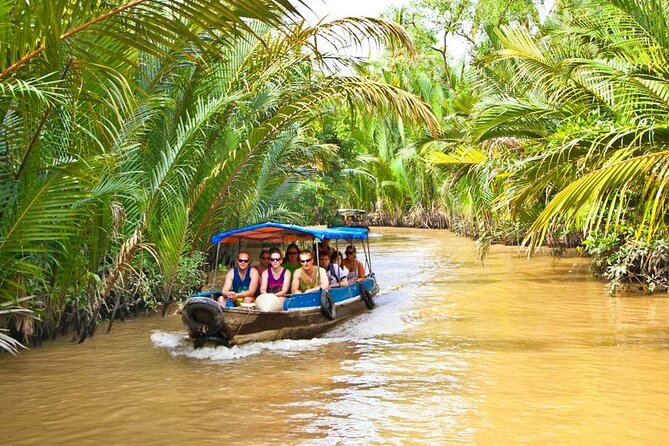
The tour meets at 112 Trần Hưng Đạo, Phường Phạm Ngũ Lão, Quận 1 with a start time of 7:30 am. From there, you’re picked up for the transfer to the Cai Be area.
Day one boarding happens at noon at Cai Be. That gap is normal for river tours, and it matters because it shapes your day: you’ll likely be on the road in the morning, then you can relax once you’re actually on the barge.
If you’re the type who hates rushing, this schedule can be a relief—by the time you get on board, you already passed the stressful part.
Day 1: Cai Be Floating Market + onboard cruising to Cho Lach
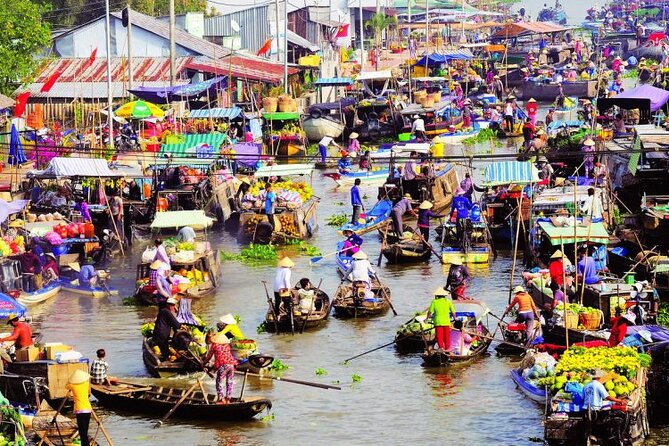
Day one’s structure is straightforward, and that’s a good thing.
Noon boarding and cabin check-in
You board at Cai Be around 12:00. You’ll get a welcome drink, an introduction to the ship and crew, and then you check into your cabin. That early “get your bearings fast” routine helps a lot—because once you’re underway, you’ll want your hands free for photos and simply watching.
You can also read our reviews of more tours and experiences in Ho Chi Minh City


Lunch while cruising
After departure toward Cho Lach on the Tien Giang river, you eat lunch while you’re en route. This is one of those travel details that sounds boring until you live it. Eating while moving saves time and keeps the day smooth.
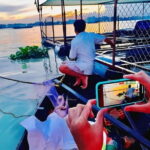
Then you get time on deck. This is when the river starts to look like the Delta you imagined: long stretches of water, narrow channels, and boats carrying daily life instead of only tourists.
Cai Be Floating Market: the shopping stop
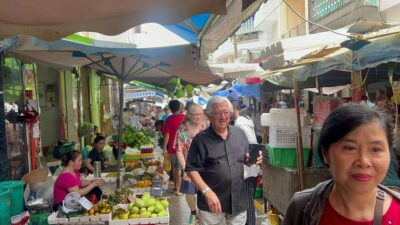
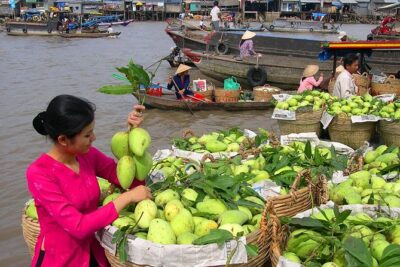
Cai Be Floating Market is your day one focus. You’re given time to check it out and shop if you want. I like this market stop because it’s less about one single highlight view and more about the texture of the place—small boats, products laid out for trade, and constant activity.
If shopping isn’t your thing, you can still enjoy it by treating it like a living market lesson: watch how goods move, how sellers call out, and how boats weave through the dock areas.
Day 2: early breakfast, Tra On in the morning, then Cai Rang
Day two starts earlier than most people expect, which is why it’s worth showing up with an alert mindset.
Breakfast time and morning departure
You may get up for breakfast as early as 06:30. The reason is simple: the ship resumes cruising and heads toward the Tra On floating market area before continuing onward.
Morning market visits are usually calmer and more photogenic than later hours. You also avoid the “everyone wakes up at the same time” chaos.
Tra On floating market stop
After breakfast, you cruise toward Tra On, then continue onward to Can Tho. Tra On is one of those places where the action feels more intimate. You’re not stuck staring at a single vendor line; you’re watching river movement and boat traffic layered together.
If you care about photos, this is your best window for light and pace.
Cai Rang Floating Market on day two
Next up: arrival in Cai Rang floating market, followed by check-out and disembark/transfer. Cai Rang is the market stop people often talk about most—partly because of the boat activity and partly because it’s a strong “big Delta moment.”
Your time there is your chance to experience floating commerce up close. You’ll likely see how market boats cluster, how people handle goods, and how the river becomes the road.
Land excursions: bikes, village life, and basket-making
One of the reasons this cruise tends to score well is that you don’t only stay on water. You get land time that gives the Delta more depth.
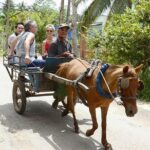
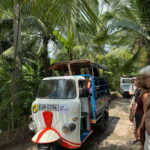
In practice, you might have an optional bike ride (or a walking alternative) that shows a more rural side of the Mekong. A guest described it as fun and as a way to see the real countryside, not just the riverfront stages.
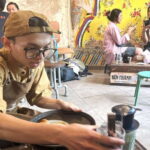
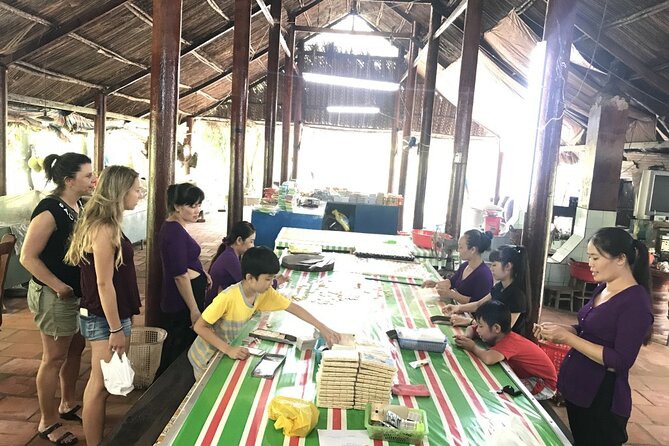
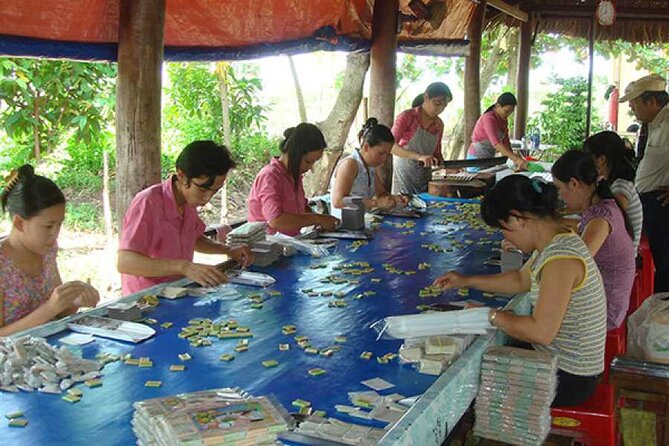
You also get a village-style visit that can include watching basket-making. This kind of stop matters because it connects the market shopping to a craft and a workflow, not just a product on a boat.
Bring a sense of humor and keep your pace flexible. These stops are meant to be simple and human-scale, not museum-perfect.
Food on board: why it’s not an afterthought
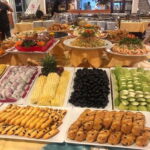
The biggest repeated praise is food. And not in a “wow, dessert!” way—more like this is a well-run meal schedule that keeps your day comfortable.
On a cruise like this, what you really want is:
- Enough food and variety to keep energy up for market walking.
- Meals served at the right times so you’re not constantly hungry or stuck waiting.
- Portions that match how active the day actually is.
Several people highlight the amazing amount and quality, along with a friendly crew. One person even pointed out the boat and staff as professional yet warm, with a great onboard ambiance.
And because drinks aren’t included, the food experience feels intentional: you’re fed first, then you decide what (if anything) you want to drink.
The ship experience: deck time, small cabins, and a crew that sets the tone
This boat isn’t described as a giant floating hotel. It’s an 80-foot wooden rice barge, which changes the whole feel.
Here’s what that usually means for you:
- Deck time feels natural because the boat isn’t built to overwhelm you.
- Cabins tend to be compact, and with a small cabin count, you’ll often feel like you’re on a shared journey rather than a crowd.
You’ll also get an intro to the ship and crew right after boarding. That small bit of orientation helps you settle in quickly, especially if you’re not used to boat travel.
There’s one guide name that comes up clearly: Typhoon Honey. One guest called them the best guide and praised their friendly approach. Even if you don’t get the same guide, the guided tone and professionalism are part of what makes the cruise run smoothly.
Group size and pace: how it affects your day
The tour caps at 20 travelers, which is a sweet spot. Large enough for a friendly group energy, small enough that you aren’t constantly waiting for someone in a different timezone.
Because it’s a group plan, you follow the schedule:
- Noon boarding day one
- early breakfast day two
- specific market timing
If you love total freedom with no structure, you might find it a bit “timed.” But if you want the markets handled for you—transport, entry, and guiding—this setup is easy.
What to pack for a Mekong Delta cruise like this
The essentials aren’t fancy, just practical.
For floating market stops and deck time:
- Light layers for sun and shade changes
- Comfortable shoes for market walking
- Sunglasses and sunscreen
- A small rain layer (Delta weather can change)
Also remember the cruise includes meals, not drinks. If you’re particular about hydration, you can plan accordingly—but you’ll follow whatever rules the boat sets for beverages onboard.
Who this cruise fits best (and who should think twice)
This cruise makes the most sense if you want:
- A guided, structured way to see the Delta markets
- A calmer pace than fast minibus hopping
- A boat that feels traditional and not overly modern
- Good meals included for two days
It’s also ideal if you don’t want to solve logistics across multiple stops. The round-trip transfer from Ho Chi Minh City is a big deal.
Think twice if:
- You’re relying on the cruise price to cover lodging. It does not include accommodation beyond the cruise night.
- You want total freedom to change stops. This is a fixed schedule, and it’s also non-refundable if plans shift.
Should you book the Bassac Mekong Delta Cruise 2 Days, 1 Night?
If your goal is a balanced Mekong experience—boat time plus real market stops—this is a strong choice. The wooden barge feel, the included meals, and the way the day is paced around markets make it feel like you get more than a quick sightseeing hit.
I’d book it if you:
- Want transfers and guiding handled
- Like the idea of floating markets plus a small amount of rural land time
- Appreciate good food as part of the trip
I’d skip or switch plans if you:
- Need the tour to include your hotel
- Are unsure about your travel dates (because the booking is non-refundable)
If you’re ready for a small-boat river rhythm and you want markets done the easy way, this one is worth your attention.
FAQ
What does the Bassac Mekong Delta Cruise cost and how long is it?
It costs $680.00 per person and the duration is about 2 days (1 night).
What’s included in the price?
The tour includes round-trip pickup and drop-off, food for 2 days, a guide, and entrance fees.
Are drinks included?
No. Drinks are not included.
Do I get accommodation with this cruise?
No. This tour does not provide accommodation. The cruise itself covers the time on the boat, but you need your own lodging.
Which floating markets do you visit?
You stop at Cai Be Floating Market on day one. On day two, you visit Tra On floating market (as the ship resumes cruise) and then arrive at Cai Rang floating market.
Where does pickup happen, and when does the tour start?
Pickup starts at 112 Trần Hưng Đạo, Phường Phạm Ngũ Lão, Quận 1, Hồ Chí Minh City with a start time of 7:30 am. The tour ends back at the meeting point.
How big is the group?
This tour/activity has a maximum of 20 travelers.
Is a mobile ticket provided?
Yes. The experience includes a mobile ticket.
What is the cancellation policy?
The experience is non-refundable and cannot be changed for any reason. If it’s canceled because the minimum number of travelers isn’t met, you’ll be offered a different date/experience or a full refund.