REVIEW · HO CHI MINH CITY
Explore Vietnams Wartime History with Cu Chi Tunnels Tour
Book on Viator →Operated by Little Saigonese Tours · Bookable on Viator
War tunnels, then art.
What makes this Cu Chi Tunnels tour work so well is that it ties underground survival tactics to real craft culture in the same day, without turning it into a history lecture. You’ll get to walk through the Viet Cong–built tunnel network used for living quarters, supply routes, storage, and even hospitals, guided in English for clarity.
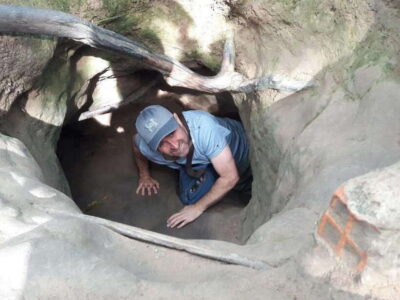
I also like that the day isn’t only war-focused: you stop at Quang Minh Lacquerware to see traditional lacquerwork made the slow, patient way—layering, polishing, and hand-painting pieces as artisans work. One consideration: parts of the tunnel experience can feel tight or physically demanding, so it’s smart to gauge how comfortable you are with confined spaces before you go.
In This Review
- Key highlights worth your attention
- Cu Chi Tunnels: How the Underground Kept People Alive
- What to watch for while you’re there
- Quang Minh Lacquerware: Switching Gears Without Losing the Story
- A nice balance for the day
- Price and Value: Is $25 a Good Deal in Ho Chi Minh City?
- Getting There: District 1 Pickup, Central Start, and a 6-Hour Rhythm
- Small-group flow is underrated
- Understanding Vietnams Wartime Story Without Turning It Into a Checklist
- Guidance quality matters
- Who Should Book This Cu Chi Tunnels Day Tour
- My practical rule of thumb
- Should You Book This Tour?
- FAQ
- How much is the Cu Chi Tunnels tour?
- How long is the tour?
- Is pickup available in Ho Chi Minh City?
- What language is the guide?
- What’s included in the ticket price?
- What’s the cancellation policy?
Key highlights worth your attention

- Cu Chi Tunnels admission included (about 2 hours at the site) so you spend less time planning and more time learning
- Quang Minh Lacquerware stop (about 20 minutes) gives you a culture break after the tunnels
- District 1 pickup plus drop-off helps you avoid messy city navigation
- English-speaking guide keeps the wartime story understandable and not vague
- Small group size (up to 12) makes it easier to ask questions and move at a human pace
Cu Chi Tunnels: How the Underground Kept People Alive
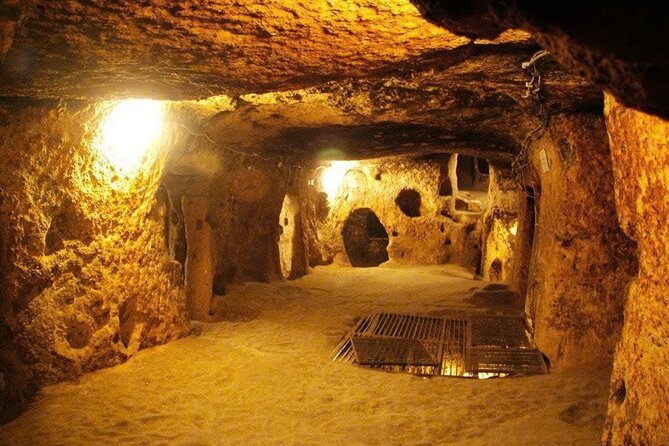
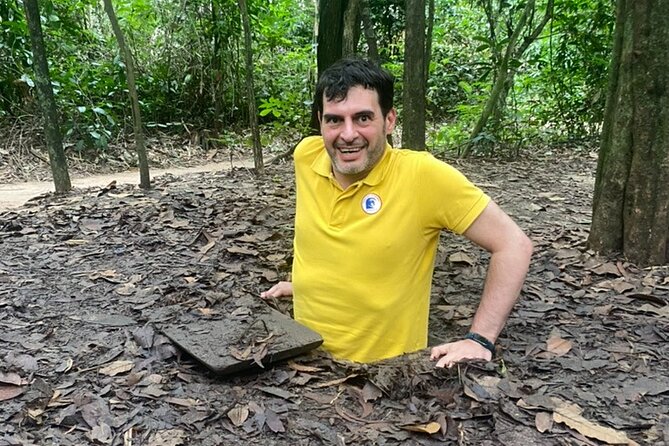
The Cu Chi Tunnels are famous for a reason: they were built as a full system, not just a few hiding spots. You’re looking at an extensive network—over 200 kilometers—designed for movement, secrecy, and survival under constant pressure during the Vietnam War. What helps most is that the tour frames the tunnels as a daily life environment: places for resting, hiding, storing supplies, and getting medical help when needed.
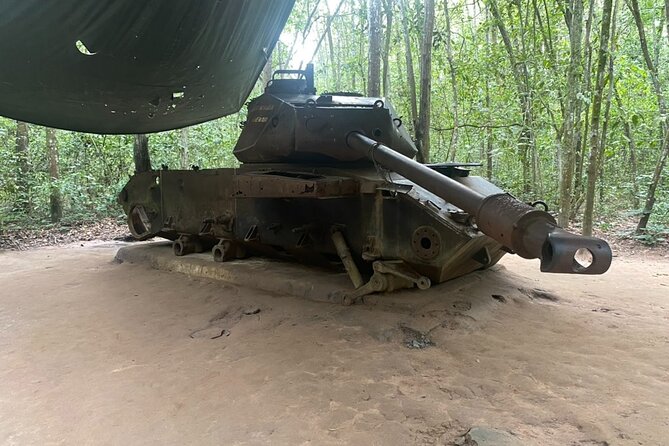
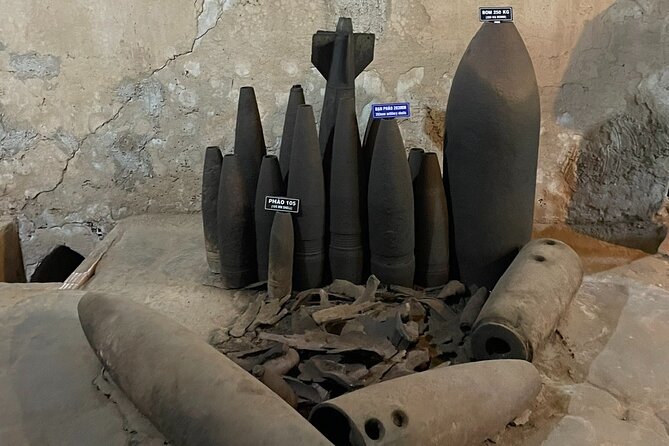
At the entrance and on the ground-level experience, your guide helps connect the dots between the physical design and the tactics. You’ll hear how the tunnels could be narrow and discreet, and how that shape affected everything from how people traveled to how they defended themselves. The site is also known for traps, and it’s worth paying attention to how those worked in practice—because it shows how survival depended on planning, not just courage.
In practical terms, expect the visit to feel more like a guided walkthrough than a quick photo stop. The allocated time is about 2 hours, which is long enough to slow down and actually understand the layout and purpose of what you’re seeing. If you rush, you’ll miss the point. If you slow down, you’ll come away with a much clearer picture of how people lived and fought from beneath the jungle floor.
You can also read our reviews of more historical tours in Ho Chi Minh City



What to watch for while you’re there
When you’re inside or near tunnel sections, focus on the details that explain function:
- How narrow passageways change the way people move
- How discreet design helps avoid detection
- Where living/storage needs fit into the overall system
- Why medical space mattered enough to be included
A good strategy is to ask your English guide at least one question about daily routine—how someone would get supplies, move between areas, or stay hidden. That’s where the story becomes real.
Quang Minh Lacquerware: Switching Gears Without Losing the Story

After the tunnels, the tour gives you a short culture stop at Quang Minh Lacquerware. It’s only about 20 minutes, but it’s a smart contrast: you go from wartime engineering to traditional Vietnamese craftsmanship, both showing discipline and problem-solving.
Lacquerware is time-consuming by nature. At Quang Minh, you’ll see artisans use long-standing techniques that involve layering, polishing, and hand-painting each piece. The point isn’t to rush to a final product—it’s to watch how patience becomes the quality. Even if you’re not the type to buy souvenirs, this stop helps you remember that Vietnam’s story includes creativity and craft resilience, not only conflict.
Because this part of the tour is short, you should use it like a sampler: watch one process step carefully, notice how tools and hands work together, and take in what makes lacquer distinct. Admission here is listed as free, so you’re not paying extra to see the workshop activity.
A nice balance for the day
This second stop matters because it prevents the day from turning heavy-only. The tunnels are intense; lacquerware acts like a reset button. You get a different kind of Vietnamese ingenuity—built with steady skill rather than emergency tactics.
Price and Value: Is $25 a Good Deal in Ho Chi Minh City?
At $25 per person for about 6 hours, this is priced like a budget-friendly day tour, especially because several costs are handled for you. The list of included items covers the things that often add up on your own: pickup and drop-off from central hotels in District 1, an English-speaking tour guide, air-conditioned transportation, and entrance tickets for Cu Chi Tunnels. You also get tapioca, hot tea, and bottled water.
Here’s the value math that matters for real travel days:
- If you’d have to pay separately for transport + guide + tickets, the price usually stops looking cheap fast.
- The included snacks and drinks are small but useful—especially when your day includes time outdoors and time spent walking.
- The guide helps you make sense of the tunnels, which is hard to do if you’re just reading signs.
There’s also an emotional value you can feel: a guided visit makes the wartime story easier to carry. If you’re the type who likes context, this saves you time and guesswork.
One more smart detail: the tour caps group size at 12 travelers. That means less crowding, usually better pacing, and a better chance your questions actually get answered.





Getting There: District 1 Pickup, Central Start, and a 6-Hour Rhythm
This tour operates out of Ho Chi Minh City with pickup and drop-off from hotels in District 1, which is where most visitors stay. The listed start point is Saigon Central Post Office, and the tour ends back at the meeting point, which helps you keep the day tidy and predictable.
Transportation is by air-conditioned vehicle, and that’s a big deal in this part of Vietnam. You’re not stuck baking in a bus for hours, and it also makes the day easier if you’re traveling with any mobility challenges.
The total duration is about 6 hours. That gives you time to do both stops without feeling like you’re on a sprint. A realistic expectation is: you’ll spend more than half your time at the tunnels, then a short lacquerware visit, and the rest goes into driving, checking in, and guided movement.
Small-group flow is underrated
With a maximum of 12 travelers, the day usually feels less hectic. That matters in two places:
- At the tunnels, where you don’t want a rushy crowd cutting off your ability to understand the setup
- At Quang Minh, where short visits work best when everyone can focus on the craft activity
Understanding Vietnams Wartime Story Without Turning It Into a Checklist

What I like about this tour format is that it doesn’t treat history like trivia. You’re shown a functional system: tunnel passageways used for living quarters, supply routes, storage, hospitals, and tactics like traps. When you see those pieces together, you start to understand how people adapted to extreme conditions.
The key is to listen for cause-and-effect:
- Narrow design isn’t just an architectural curiosity; it affects movement and concealment
- Underground storage isn’t just storage; it supports continuity when surface conditions change
- Medical space isn’t just a detail; it shows planning for long-term survival
If your guide uses concrete examples, take the opportunity to ask follow-up questions. For many visitors, the biggest shift is realizing that tunnels were built for daily use, not only heroic moments. That’s the difference between seeing a site and understanding it.
Guidance quality matters
The experience is supported by an English-speaking tour guide. From guide names shared in past visitors’ feedback, you may encounter guides such as Rachel, Mango, or Ellie, and that’s a sign the team focuses on making both the culture and the history readable. When a guide can explain clearly and keep things friendly, you get learning without feeling lectured.
Who Should Book This Cu Chi Tunnels Day Tour

This works best if you want a full day that balances meaning with ease. It’s a good fit for:
- First-timers in Ho Chi Minh City who want a structured way to see Cu Chi Tunnels
- Travelers who appreciate an English guide and clear explanations
- People who want more than one kind of Vietnamese experience in a single day
It may be less ideal if you strongly dislike confined spaces, or if you’re looking for a relaxed day with lots of free time. The tunnels are the main event, so your comfort level with that setting matters.
My practical rule of thumb
If you can handle tight spaces and you’re okay walking around for a few hours, you’ll likely feel you got your money’s worth. If you want only open-air sightseeing, you might feel the tunnels are too physical.
Should You Book This Tour?
Yes—if you want a well-paced, budget-friendly day that covers Cu Chi Tunnels plus a real craft stop at Quang Minh Lacquerware, with District 1 pickup and an English-speaking guide. At $25, the value is strongest because tickets, transport, and basic refreshments are included, and the small group size keeps the experience from feeling rushed.
If you’re unsure about the tunnel sections, read your own comfort level first. This isn’t a sit-and-watch museum tour; it’s a guided visit to a working, cramped underground world.
FAQ
How much is the Cu Chi Tunnels tour?
The price is $25.00 per person.
How long is the tour?
It runs for about 6 hours.
Is pickup available in Ho Chi Minh City?
Yes. The tour includes pickup and drop-off from central hotels in District 1.
What language is the guide?
The tour includes an English-speaking tour guide.
What’s included in the ticket price?
Entrance tickets are included, along with transportation by air-conditioned vehicle, pickup and drop-off, and refreshments like tapioca, hot tea, and bottled water.
What’s the cancellation policy?
You can cancel for a full refund if you cancel at least 24 hours in advance of the experience start time. If you cancel less than 24 hours before, you won’t get a refund.