REVIEW · HO CHI MINH CITY
Full Day Experience Cu Chi Tunnels By Bikes.
Book on Viator →Operated by Countryside Adventures · Bookable on Viator
Cu Chi is famous, but getting there by bike changes the day. This full-day trip trades the usual traffic slog for a morning pedal through flat rural lanes, then a focused visit to the Cu Chi Tunnels. You get round-trip transport from your Ho Chi Minh City hotel, a guided ride with included bikes and helmets, plus lunch and tunnel admission.
I especially like how flexible the cycling distance is. With your guide you can choose a shorter 15 km or push toward the longer 40 km options, so you can match the pace to your legs. I also like that the morning route gives you a real sense of daily life—think roadside farms and the rubber plantation landscape—before you deal with the history underground. One thing to keep in mind: the tunnels are tight. Expect cramped, low-space walking, so it’s not the kind of stop where you can rush or stay comfortable if you hate enclosed spaces.
In This Review
- Key points before you go
- Why the bike ride to Cu Chi is such a smart idea
- Pickup in Ho Chi Minh City and the ride-out to the countryside
- Morning cycling: villages, farm life, and rural detours
- A practical note on heat
- Rubber plantations: the countryside you came for
- Lunch at a local restaurant: fuel without the tourist script
- Cu Chi Tunnels: what you’re actually going to face
- Who guides matter here
- Cycling distance and route choice: how to pick your day
- Bikes, gear, and comfort: what’s included (and what isn’t)
- Price and value: is $95 actually fair?
- Who should book this bike-and-tunnels day
- If you only have one day, should you do Cu Chi by bike?
- FAQ
- FAQ
- How long is the Cu Chi Tunnels by Bikes experience?
- What time does the pickup start in Ho Chi Minh City?
- How far do I bike during the tour?
- What’s included in the tour price?
- Are pickup and drop-off provided?
- What should I know about the tunnels visit?
- Is the tour suitable for children?
- Should you book this tour?
Key points before you go
- Early start, fewer crowds: Pickup starts around 7:00am, so you ride before the worst heat kicks in.
- Your route, your pace: Cycling distance is adjustable (15 km to 40 km / 9 to 22 miles) depending on what you want to do.
- Countryside first, history second: Rubber plantations and rural life come before the tunnels—good pacing for the brain.
- Bikes, helmets, and a real guide: You ride Trek/Giant bikes with multiple gears and a professional cycling guide.
- Tunnel entry included: You pay the admission on the day, then spend time exploring the network.
- Small group feel: Max 10 travelers, with a minimum of 6 to run the tour.
Why the bike ride to Cu Chi is such a smart idea
Most Cu Chi days start with a van ride and end with photos. This one flips the order. You start in the countryside—flat roads, rural lanes, and a slow reveal of how people actually live outside the city—then you arrive at the tunnels with context.
That matters. When you only see the tunnels from the parking lot, it can feel like a museum stop. When you ride through rubber groves and small farm areas first, the landscape connects to the story: camouflage, distance, and survival in a place that didn’t feel convenient. It’s still intense history. It’s just easier to understand why people used these spaces for so long.
And since the cycling is guided, you’re not stuck trying to navigate rural roads on your own. You’ll follow quiet routes with your guide handling the logistics while you focus on enjoying the ride.
You can also read our reviews of more tours and experiences in Ho Chi Minh City



Pickup in Ho Chi Minh City and the ride-out to the countryside
The day begins with pickup from your Ho Chi Minh City hotel around 7:00am. A private minivan handles the transfer out, along with the bikes so you can start riding without hauling anything yourself.
Once you’re in the countryside, the riding really becomes the main event. You’ll pedal on very flat roads, with the guide adjusting your route length based on what you want. This is one of those tours where the “distance” label actually means something: you’re not locked into one preset number of kilometers.
From there, the rhythm is simple:
- ride through quiet rural trails
- pause when it makes sense
- enjoy the scenery and everyday sights
- then switch from cycling mode to exploring the tunnels mode
Morning cycling: villages, farm life, and rural detours
The morning is built for views of daily Vietnam, not just scenery. As you ride through villages and back lanes, you may spot things like cows, pigs, and fish farms along the way. The road is flat enough that you can keep a steady pace without feeling like you’re fighting the terrain the whole time.
This is also where the guide’s “local knowledge” pays off. In the feedback I’ve seen, guides like Bau and Uc or Lee focus on what you’re actually seeing—small details you’d miss if you were just coasting down the road. It turns the ride from exercise into learning.
One detail that can make the morning feel special: you may stop at small local refreshment spots, like places serving mineral water or sugarcane juice. If you’re lucky, you might also visit a stop connected to food production, such as a roadside rice paper-making place.
A practical note on heat
You’re riding in Vietnam, not Scandinavia. The early departure helps, but you’ll still want to plan like it’s warm. Bring the right attitude: short stops, water breaks, and a pace you can sustain.
Rubber plantations: the countryside you came for
Soon you’ll be cycling through rubber plantations—long rows of trees with the deep harvest slashes you can see clearly. This is one of those landscapes that looks quiet from a distance, then turns into something specific when you’re up close.
In real life, rubber harvesting is repetitive work, and the plantation layout shapes how people move around the area. Riding through it makes the countryside feel like an active place, not just a backdrop.
It’s also a good mental transition. The ride through productive farmland sets you up for the next step: seeing how people adapted to the environment around them. Even if you don’t love history lectures, you’ll feel the shift from “rural everyday life” to “wartime survival” in a tangible way.



Lunch at a local restaurant: fuel without the tourist script
Lunch is included and served at a local restaurant. You’ll get a real meal rather than a boxed sandwich situation.
The tour also includes snacks, plus bottled water. In practice, that means you can keep your energy stable for the afternoon tunnels visit. The tunnels exploration takes concentration, and it’s easier when you’re not running on empty.
From what’s described, lunch can be something simple and familiar like pho, which is a solid choice after a few hours of cycling. And since the day already has water and snacks built in, you won’t have to constantly stop just to drink.
Cu Chi Tunnels: what you’re actually going to face
When you arrive at Cu Chi, the day shifts from movement to understanding. The tunnels here were a home base for Viet Cong fighters during the 1968 Tet Offensive, and you’ll learn how people survived using this underground system.
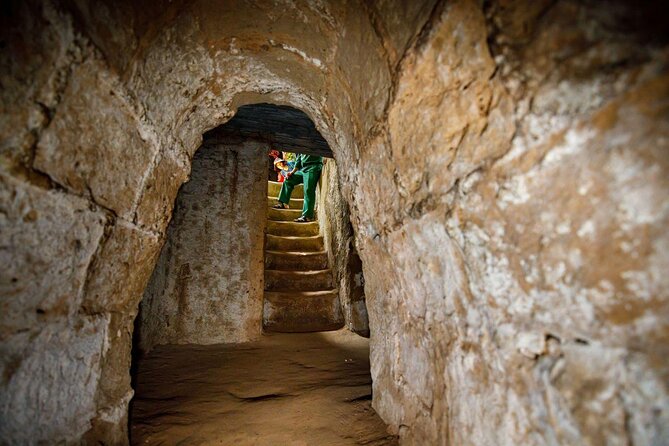
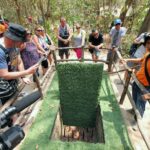
You’ll spend time exploring the tunnels network, where many entrances are through camouflaged trap doors. This is one of the big reasons this visit hits: you don’t just walk into a big opening and point at things. You’re walking into the idea of concealment.
Expect the scale to feel human. The tunnels are narrow, described as just large enough for someone to pass through. That means you’ll spend time moving carefully, often in spaces that feel low and enclosed. If you’re okay with tight spaces, you’ll likely find it fascinating. If you hate claustrophobia, plan to go slowly and take breaks as needed.
Who guides matter here
In the feedback, guides named Joe and Lee come up repeatedly for being friendly and knowledgeable. A good guide helps connect the physical experience—the cramped passageways and disguised entrances—to the story, so it doesn’t feel like a checklist.
Cycling distance and route choice: how to pick your day
This tour lets you adjust cycling distance based on your preference and abilities, typically ranging from:
- about 15 km to 40 km
- about 9 miles to 22 miles
You’ll also see a “typical” range in the plan around 20–30 km depending on how the day flows, which is helpful if you’re trying to gauge effort.
If you want a calmer day:
- choose the shorter range
- focus on the villages and the rubber plantation sections
- save energy for the tunnels
If you want to earn that tunnel visit with sweat:
- stretch toward the longer route
- expect more time in the saddle before lunch and before the underground portion
Either way, the roads are described as very flat, which is a huge factor. Flat cycling is easier for most people than hills, so it’s a practical option for moderate fitness.
Bikes, gear, and comfort: what’s included (and what isn’t)
You don’t need to bring your own bike. The tour provides Trek/Giant multiple-gear bikes, plus helmets, all with a professional cycling guide.
That’s a value point: good bikes matter for a long rural ride. A single-speed bike on uneven pavement would be a chore. Multiple gears are helpful for keeping a steady cadence, even on flat terrain when you hit longer stretches.
Comfort extras that help:
- bottled water
- snacks
- lunch
- helmets and bike provided
What’s not included is drinks beyond what’s listed, personal expenses, and tipping. The basics are covered, though, so you can budget without surprise add-ons.
Price and value: is $95 actually fair?
At $95 per person, you’re paying for a full day with more than just sightseeing. This includes:
- hotel pickup and round-trip transport by private minivan
- guided cycling with a professional guide
- bike + helmet
- bottled water + snacks
- lunch
- tunnel admission and fees
For Ho Chi Minh City tours, Cu Chi itself is usually the core cost, but many tours still leave you stuck in transit most of the day. Here, the price buys you hours of active countryside time plus entrance fees. You’re not just consuming the attraction—you’re experiencing the landscape around it.
Group size also affects how smoothly it runs. The tour has a minimum of 6 travelers and a maximum of 10. If you’re booking solo or as a pair, confirm your departure status before you plan other days.
Who should book this bike-and-tunnels day
This is a great fit if you:
- like real countryside travel instead of only city views
- want a day that’s part cycling, part history
- can handle a long day and moderate fitness
- enjoy guided context while walking through intense places
It’s not ideal if you:
- strongly dislike tight, enclosed spaces (the tunnels are narrow)
- want an easy stroll with minimal physical effort
- expect a couch-like pace in the countryside (you’ll be riding)
Good news: the roads are flat and the route is adjustable, so you can tailor the day. Also, small group size (up to 10) tends to feel manageable.
If you only have one day, should you do Cu Chi by bike?
I think this is one of the better ways to do Cu Chi if you care about pacing. You start with the countryside, you get fed, you visit the tunnels with time to take it in, then you head back to the city in the afternoon.
If you’re deciding between a standard van-only Cu Chi trip and this bike version, choose this when you want:
- more time outdoors
- a less passive itinerary
- a day that builds context before you go underground
FAQ
FAQ
How long is the Cu Chi Tunnels by Bikes experience?
It runs for about 8 hours.
What time does the pickup start in Ho Chi Minh City?
The start time is listed as 7:00am, with hotel pickup included.
How far do I bike during the tour?
Your cycling distance depends on route choice and ability, typically from 15 km to 40 km (9 miles to 22 miles).
What’s included in the tour price?
Included are bottled water, lunch, snacks, a professional cycling guide, Trek/Giant multiple-gear bikes with helmets, and all fees and taxes (including tunnel admission).
Are pickup and drop-off provided?
Yes. Pickup and drop-off are included from your Ho Chi Minh City hotel, with return by van in the late afternoon.
What should I know about the tunnels visit?
You’ll explore the Cu Chi tunnel network, where entrances can be camouflaged trap doors and the tunnels are narrow—just large enough to pass through.
Is the tour suitable for children?
Children must be accompanied by an adult, and the experience is listed for travelers with moderate physical fitness.
Should you book this tour?
Book it if you want Cu Chi with context: countryside biking first, then a guided underground visit. The mix of flat rural cycling, included lunch and entrance fees, and the small-group setup makes it feel like a full day rather than a quick, rushed stop. Skip it if tight spaces would bother you or if you’re looking for a low-effort day—because once you get underground, you’ll feel the tunnels’ narrowness.