REVIEW · HO CHI MINH CITY
Mekong Delta 2-Day Tour: Floating Markets & Cultural Exploration
Book on Viator →Operated by TNK Travel · Bookable on Viator
Floating markets feel closer than you expect. This two-day trip pairs Cai Be river life with Cai Rang market action, plus hands-on village stops that make the Delta feel practical, not just scenic.
I especially like the cooking class stop in Tan Phong—learning spring roll technique and rice paper basics while you eat what you made. I also love the slow-breathe moments, like the canal cruising and the chance to bike dirt lanes in Cai Be.
One consideration: the tour notes that traditional floating-market life has changed from years past, so you’re often seeing today’s river commerce and village routine rather than the exact same world people picture from old photos. Also, pickup can be tricky outside District 1, so confirm where they can collect you.
In This Review
- Mekong Delta in two days for $119: does it feel worth it?
- Day 1 from Ho Chi Minh City: Cai Be, riverside history at house museums, and Tan Phong food stops
- Cai Be: the river still matters (even if the old market rhythm faded)
- Nhà cổ Ông Kiệt: a restored antique house that explains how floods shaped design
- Tan Phong sweets and honey tea flavors you can actually remember
- Narrow canals, water palms, water lilies: a calmer side of the same river world
- Cooking class lunch: spring rolls, rice paper, and herb work (not just a demonstration)
- Cai Be bicycle ride: the Delta at eye level, with small, real details
- Sunset boat ride back + transfer to Can Tho for your hotel night
- Day 2: Cai Rang floating market, noodle making, Khmer pagoda art, and Cồn Sơn cake + fruit tasting
- Cai Rang floating market: how the vendors announce goods
- Noodle factory visit: rice noodles from raw inputs to finished product
- Munir Ansay Khmer Buddhist Temple: Khmer artistry in the Mekong Delta
- Cồn Sơn: eco-conscious crafts, cake-making workshop, and orchard fruit (seasonal)
- Return to Ho Chi Minh City
- Group size, guides, and transport: where the experience shines—and where it can feel fast
- Pickup reality check (especially if you’re not in District 1)
- The pace can feel like a “show” in a few stops
- What you eat (and what to expect on the plate)
- Who should book this Mekong Delta tour—and who might want a different plan
- Should you book it?
- FAQ
- How much is the Mekong Delta 2-Day Tour?
- How long is the tour, and what time does it start?
- Where is the meeting point?
- What’s included in the price?
- Is pickup included, and can they pick up anywhere in the city?
- Does the tour include any hands-on activities or food experiences?
- What happens if the weather is bad or the tour needs to be canceled?
Mekong Delta in two days for $119: does it feel worth it?
At $119 per person, this is priced like a solid “transport + guide + experiences” package, not like a budget sightseeing-only day. What makes it good value is the pile-up of included basics: breakfast, two lunches, an overnight stay (twin/double room share, basic), air-conditioned vehicle, an English-speaking guide, boat trips, and bottled mineral water.
You’re not just riding to one place. Day 1 builds the setting around Cai Be and Tan Phong (river, orchards, sweets, canals, cooking, biking). Day 2 shifts to Cai Rang’s market morning and then rounds out with a Khmer Buddhist pagoda and a community island workshop with fruit tasting. In other words, you get a full “how people live” arc across two days.
Day 1 from Ho Chi Minh City: Cai Be, riverside history at house museums, and Tan Phong food stops
You start with pickup in Ho Chi Minh City at 7:30am (the meeting point is 112 Đ. Trần Hưng Đạo, Phường Phạm Ngũ Lão, Quận 1). Then you spend the morning traveling toward Cai Be. The drive is long enough that this really works best if you accept it as part of the deal—then enjoy the day once you get on the water.
You can also read our reviews of more tours and experiences in Ho Chi Minh City
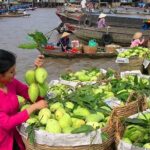
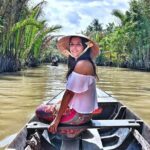
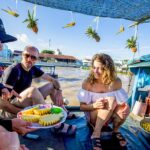
Cai Be: the river still matters (even if the old market rhythm faded)
The tour opens with Cai Be and a note that rapid urbanization has reduced the old-style floating market lifestyle. That matters, because it sets the expectation: this is about watching how river life continues even when patterns have shifted. You’re guided to see the contemporary river routine, not to hunt for a ghost of the past.
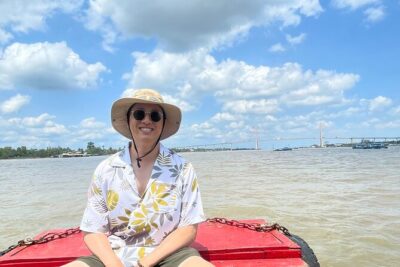
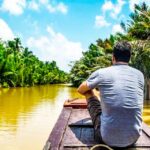
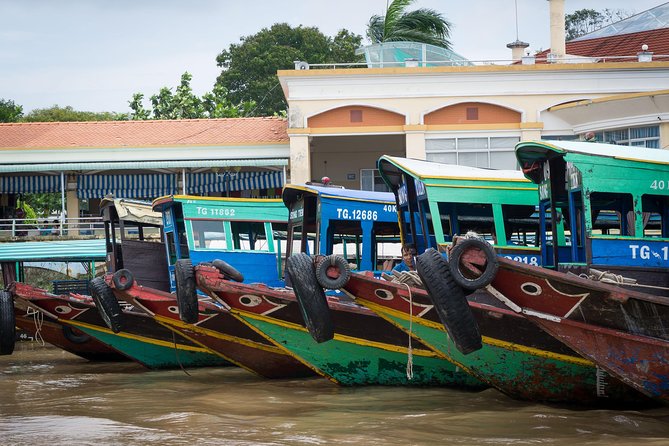
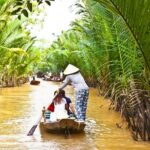
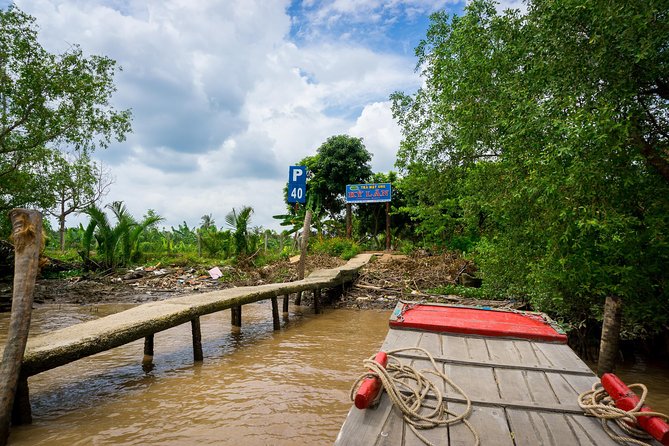
Soon you’re on a boat cruising along the Tien River. This is where the Delta makes sense fast: orchards line the banks, the river acts like a road, and commerce looks different when it’s tied to water access. If you like visual learning—fruit production, trading, the way villages hug the waterways—this cruise does the heavy lifting.
Nhà cổ Ông Kiệt: a restored antique house that explains how floods shaped design
Next is Nhà cổ Ông Kiệt, an antique house that mixes Vietnamese, Chinese, and French colonial influences. What I like here is how the guide can connect architecture to local climate and flooding logic—courtyards for airflow, rooms arranged around central space, and materials chosen for durability.
You’ll also see family shrines and antiques explained as part of how merchant families once prospered. This stop is short, but it gives you a mental model for the Delta: people built for the water they live with.
Tan Phong sweets and honey tea flavors you can actually remember
Tan Phong begins with a family-run confectionery where coconut sweets and rice popcorn are made using time-tested methods. The experience isn’t only tasting—it’s watching skilled hands turn simple ingredients into regional comfort food. You’ll likely get a couple of sweet bites warm from the process, plus honey tea and seasonal tropical fruits as part of the overall food theme.
Narrow canals, water palms, water lilies: a calmer side of the same river world
After the sweets, the itinerary slows into the narrow canals around Tan Phong. Expect coconut palms and water lilies along the waterway. This is a good contrast to the market-focused energy you’ll hit on Day 2. It also helps if you don’t want every moment to be crowds and noise. The tour keeps the pace here gentle—more “look around and feel the rhythm” than “check boxes.”
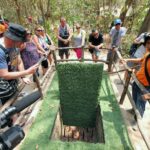

Cooking class lunch: spring rolls, rice paper, and herb work (not just a demonstration)
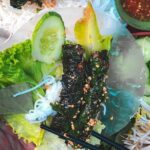
Then comes the main food moment: a lunch at a garden setting with tropical fruit and fragrant herbs. You do a hands-on cooking class first, and the teaching includes practical technique—like making spring rolls and working with rice paper, plus blending herbs and spices the way local recipes expect.
If you’re the type who forgets restaurant lessons five minutes after lunch, this is the stop that sticks, because your hands learn the steps. Then you eat the dishes you made. The guide’s job here is key: they’re not just telling stories, they’re walking you through how the food comes together.
Cai Be bicycle ride: the Delta at eye level, with small, real details
After lunch, you bike through Cai Be on dirt trails through orchards and paddies. This is one of the most “you are in it” parts of the schedule—palms swaying, rice fields, and fruit groves passing close enough to notice how people live day-to-day.
You’ll pass villages and see farmers working, kids playing, and artisans doing crafts. The tour also suggests you’ll have casual interactions even without shared language, which is exactly the kind of human contact that makes river trips feel less scripted.
The bicycle time is also your reality check: dirt paths aren’t the same as city sidewalks. If you’re not comfortable on bikes, it’s worth thinking ahead before you book.
Sunset boat ride back + transfer to Can Tho for your hotel night
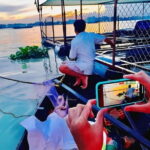
As the sun drops, you take a tranquil boat ride back toward Cai Be. Then a private car transfers you to Can Tho, where the tour includes hotel check-in. That evening is free enough for you to stroll along the river or eat elsewhere—assuming you still have energy after a full day.
Day 2: Cai Rang floating market, noodle making, Khmer pagoda art, and Cồn Sơn cake + fruit tasting
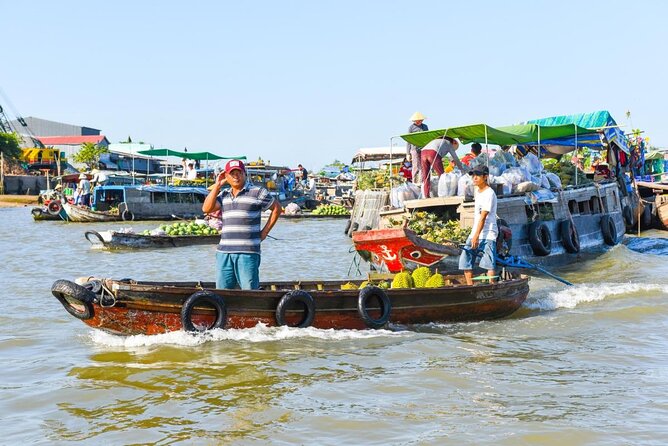
Day 2 starts with breakfast at your hotel, then you go out by boat for a Cai Rang Floating Market visit along the Bassac River. The timing is built in: it’s best when the market is awake and vendors are active, which helps you understand how the market works instead of just seeing it after the action.
Cai Rang floating market: how the vendors announce goods
This is the headline stop, and the way it’s described matters. You see goods displayed from multiple vessels, with vendors calling and using their sample poles to show what they’re selling.
What I like about this approach is that it teaches you how to read the scene. When you understand the signaling—poles, calls, positioning—you stop treating it like a photo set and start treating it like a working marketplace.
Noodle factory visit: rice noodles from raw inputs to finished product
After the floating market, you visit a traditional noodle factory. You see rice noodle creation step-by-step using long-established methods. This is one of those “small but satisfying” stops. It connects what you’ve seen at the market to how Vietnamese staples are actually produced.
Munir Ansay Khmer Buddhist Temple: Khmer artistry in the Mekong Delta
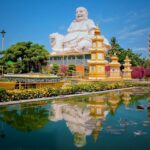
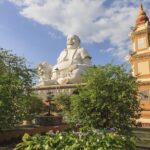
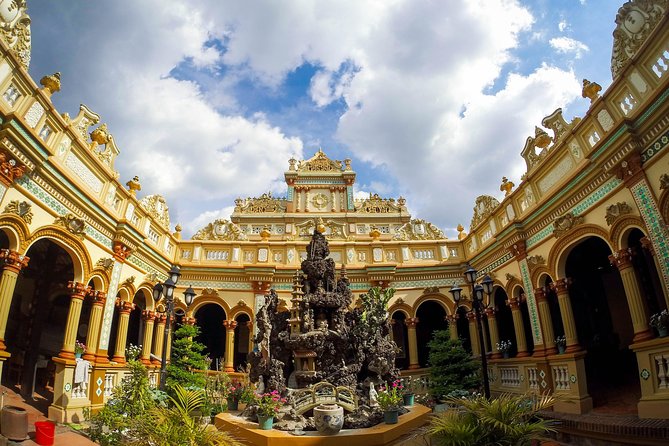
Next is Munir Ansay Pagoda, a Khmer Buddhist temple that highlights the Delta’s cultural mix. You’ll see vibrant murals of Buddhist tales, plus columns and carvings. The guide explains the temple’s historical importance and community role, which helps you appreciate why this place exists beyond scenery.
I’d keep expectations realistic: this isn’t a long museum visit. It’s a focused look that benefits from a good guide and a bit of quiet attention.
Cồn Sơn: eco-conscious crafts, cake-making workshop, and orchard fruit (seasonal)
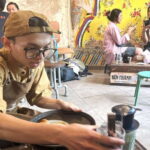
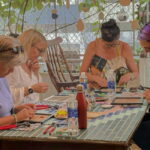
Then you head to Cồn Sơn by boat. The tour frames this island visit around community-led, eco-conscious tourism with sustainable craft practices run through family initiatives. You’ll get a workshop experience—cake-making instruction guided by local artisans.
Seasonal fruit orchard time follows. The tour says you may encounter fruits like durian, mangosteen, longan, and rambutan, and you’ll taste freshly harvested fruit while learning about agricultural methods that avoid harmful chemicals and conserve water.
This stop pairs well with the rest of the tour because you’re not just tasting fruit—you’re seeing how it connects to daily life and local livelihoods.
Return to Ho Chi Minh City
At the end, you transfer back to Ho Chi Minh City. The return time can shift with traffic, and the tour notes the operator can’t control that.
Group size, guides, and transport: where the experience shines—and where it can feel fast
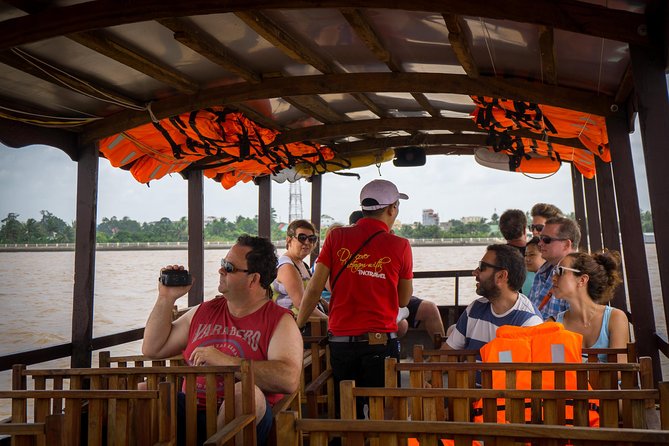
This kind of tour lives or dies by the guide and the pacing. The tour information says the group is capped for a more personal feel, with materials pointing to a small group (you’ll see both 15 and up to 25 listed). Either way, it’s not a huge bus-load.
What really pops from the guide feedback is the quality of English and how willing they are to explain context. In past experiences, guides named Slim and Tom got standout mentions for their knowledge and friendly way of working with people. That’s a big deal here, because a floating market is easy to misunderstand if you only scan for photos.
Transport is mostly handled for you with air-conditioned vehicle plus boat trips, which saves energy and time versus trying to plan your own route. That said, the pickup system can be inconsistent depending on where your hotel is.
Pickup reality check (especially if you’re not in District 1)
One review example flagged a frustrating moment: a passenger was promised pickup in District 2 (Aspen area) but ended up needing a taxi because pickup wasn’t possible. The lesson for you: if you’re staying outside District 1, confirm pickup access clearly before you go.
The tour also mentions some streets can’t have pickup due to traffic rules, so you might have to meet at an agreed spot instead.
The pace can feel like a “show” in a few stops
Another honest note: some people felt parts of the day can run a little quickly, and a few stops may feel more staged for visitors than purely everyday life. You can soften that by doing the one thing most people skip—ask the guide one or two follow-up questions at each stop. It turns a scripted moment into a real conversation.
What you eat (and what to expect on the plate)
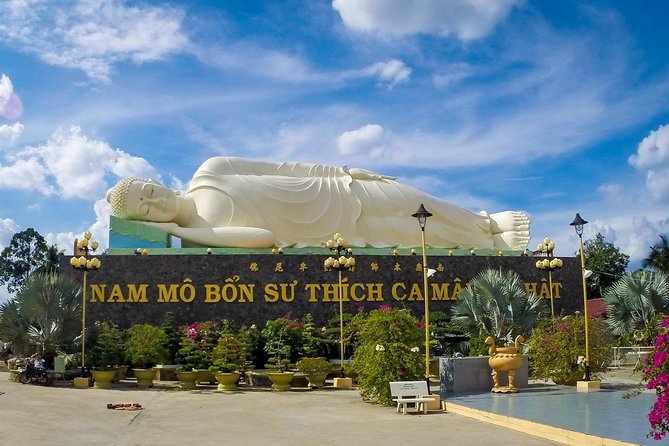
Food is a major part of this trip, and the tour makes it more than a quick snack.
You’ll likely taste tropical fruits, honey tea, and fresh noodle flavors through market and factory stops. Day 1 includes coconut sweets and rice popcorn in Tan Phong, and then a full cooking class lunch where you make and eat spring rolls and work with rice paper and herbs.
On top of taste, you get method. That’s what makes it worth doing instead of just eating at random restaurants.
Who should book this Mekong Delta tour—and who might want a different plan
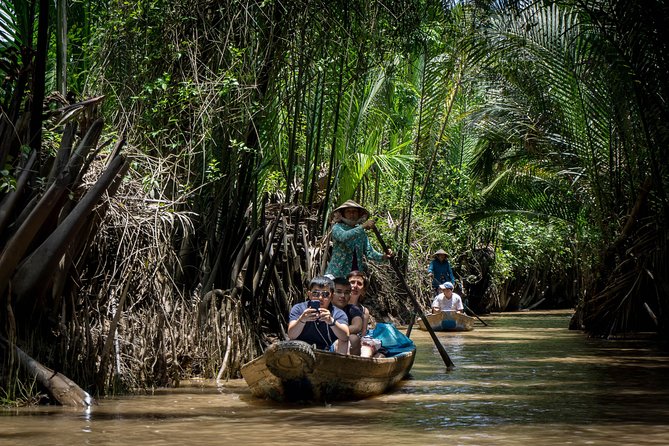
This tour fits best if you want:
- A first serious Mekong Delta experience without wrestling transport on your own
- A day built around boats, canals, and food technique
- A guide-driven route with enough structure to see multiple cultural stops
It may not fit if:
- You want lots of slow free time with no schedule pressure (some segments can feel brisk)
- You’re worried about bikes or dirt paths
- You have medical concerns listed by the operator: the tour is not available for anyone with heart problems, and it also isn’t available for the handicapped
If you’re traveling with dietary needs, the tour says to advise requirements at booking.
Should you book it?
Yes—if your idea of a great Delta day is boats plus practical culture, and you’re happy to trade extra planning for a guided, packed two-day route. At $119, the combination of overnight, two lunches, breakfast, boat time, and multiple hands-on stops is the main reason it earns its keep.
Book it with eyes open: floating market life has changed, pickup may be limited outside District 1, and a couple stops can feel staged. If you show up curious and ask questions, the tour rewards you.
FAQ
How much is the Mekong Delta 2-Day Tour?
The price is $119.00 per person.
How long is the tour, and what time does it start?
It’s about 2 days. The start time is 7:30am.
Where is the meeting point?
The meeting point is 112 Đ. Trần Hưng Đạo, Phường Phạm Ngũ Lão, Quận 1, Hồ Chí Minh, Vietnam.
What’s included in the price?
Included are breakfast, accommodation (twin or double/room share basic), an air-conditioned vehicle, boat trip(s), an English-speaking guide, mineral water, and lunch (2).
Is pickup included, and can they pick up anywhere in the city?
Pickup is offered, but pickups outside District 1 may involve an extra surcharge. Some streets are also not eligible for pickup due to traffic rules, and you may need help from the local supplier to arrange support.
Does the tour include any hands-on activities or food experiences?
Yes. You’ll take part in a cooking class in Tan Phong and a workshop on Cồn Sơn where cake-making is taught. You also taste local produce such as tropical fruits, honey tea, and fresh noodles.
What happens if the weather is bad or the tour needs to be canceled?
The tour requires good weather. If it’s canceled due to poor weather, you’ll be offered a different date or a full refund. The experience can also be canceled if a minimum number of travelers isn’t met, with an alternative date or a full refund.