REVIEW · HO CHI MINH CITY
Classic Mekong Delta & Cai Rang Floating Market Enjoy 1 Day from Ho Chi Minh
Book on Viator →Operated by Winter Spring Homestay · Bookable on Viator
Cai Rang looks best early. This one-day Mekong Delta outing from Ho Chi Minh is built around an early Cai Rang floating market breakfast and then rolls into a food-filled river route. I especially like the hotel pickup and round-trip transfers and the fact that breakfast plus lunch are included, so you’re not guessing about meals. One thing to consider: this is a group day trip, so the actual door-to-door time can run longer than the advertised 5 hours, and the floating market can be smaller on some mornings.
You’ll also get that local-guide feel, and names like Trinh and Như Ý show up with consistently strong praise for explaining what you’re seeing. Expect a relaxed pace: markets, food production, short temple visits, and then you’re back with time for the rest of your day.
Because it’s a long ride each way, it pays to pack for comfort and heat. Bring light layers and plan for early starts, since the river can get hot quickly once the sun climbs.
In This Review
- Key things to know before you go
- Early Cai Rang Floating Market: why the morning really matters
- Getting from Ho Chi Minh to Can Tho: pickup, transfers, and real timing
- Breakfast on the water plus included lunch: how the food shapes the day
- Sau Hoai rice noodle factory (and/or bakery): watch hands work
- Second Cai Rang stop: fruit gardens, small canals, and a calmer look
- Ong Temple and Muniransay Khmer Buddhist Temple: two quick stops, different styles
- Price and value check: is $105 a fair deal for a one-day Mekong Delta hit?
- What to pack and how to avoid common hiccups
- Should you book this Mekong Delta & Cai Rang day trip?
- FAQ
- How long is the tour?
- Do I get hotel pickup and round-trip transfers?
- Is breakfast included?
- Is lunch included?
- What stops are included in the itinerary?
- Are admission tickets required?
- How big is the group?
- What is the cancellation policy?
Key things to know before you go
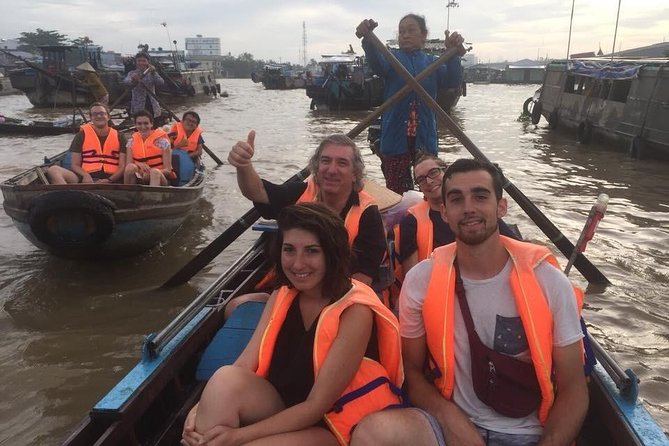
- Early Cai Rang timing: the tour is designed to hit the market while it’s active (and before the sun turns the canals into a sauna)
- Meals are handled: breakfast at the market and lunch before you’re done
- Hands-on local food stops: you’ll see noodle or bakery making along the way
- Two different temples: Ong Temple plus a Khmer Buddhist pagoda in Can Tho
- Smallish-group feel, big total cap: up to 60 people, so you’ll be in a tour rhythm but still get guidance
- Expect some schedule variability: group transfers can shift, especially if routes combine
Early Cai Rang Floating Market: why the morning really matters
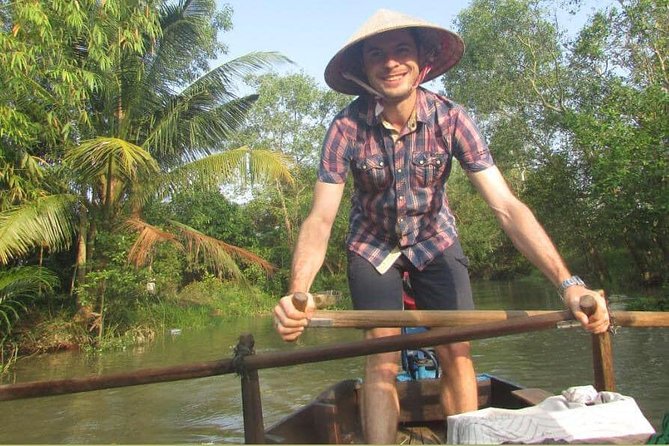
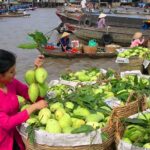
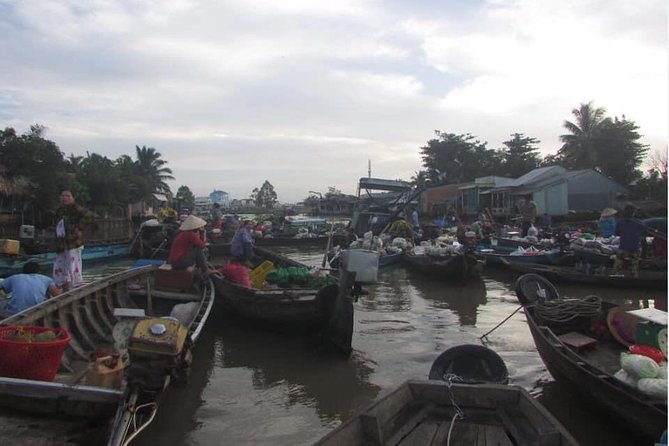
Cai Rang isn’t just a place to look at boats. It’s a working river market where the action changes hour by hour. The big win of this trip is that it’s set up to get you there early, when the canals feel busy and you can understand how everything flows without rushing.
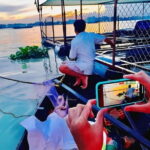
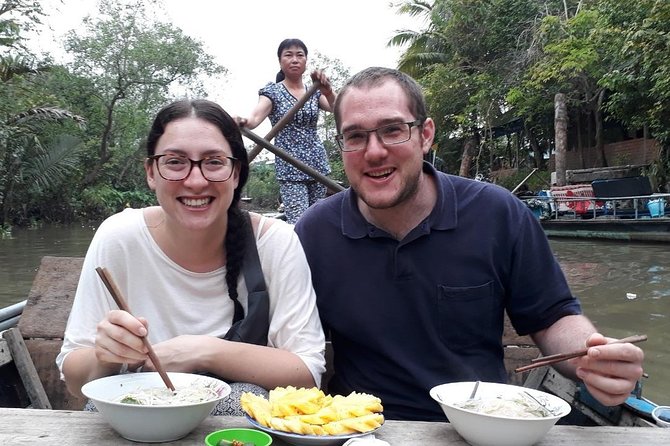
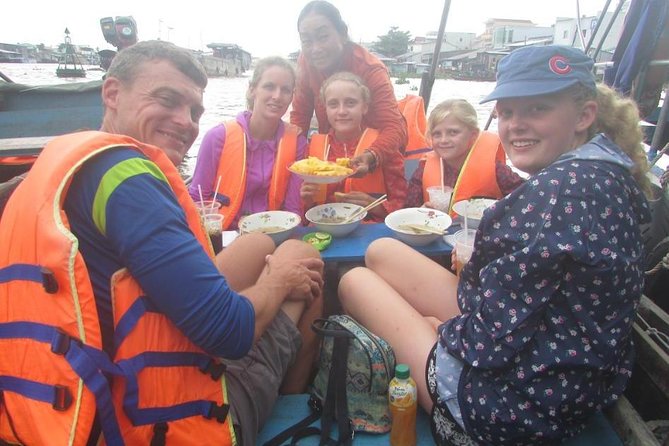
You’ll start with breakfast connected to the market, which is a nice trick: instead of dropping you off at the water and sending you off hungry, you’re feeding yourself while you learn the rhythm. You’ll see fruit trading patterns, how boats cluster in canal lanes, and why sellers care about timing and visibility.
One practical note: the floating market can look different depending on the day. If your mental picture is a giant tangle of hundreds of boats, adjust it. Some mornings can be smaller, but you’ll still get the idea of the market and how people move goods on the water.
If you want the best photos, go easy on the sprinting. You’ll enjoy it more if you pause, look, then listen—guides usually explain what you’re seeing in plain terms, and that’s when the place clicks.
You can also read our reviews of more shopping tours in Ho Chi Minh City


Getting from Ho Chi Minh to Can Tho: pickup, transfers, and real timing
The logistics here are the whole point. You get hotel pickup in Ho Chi Minh City plus round-trip transfers, which means you don’t have to coordinate buses, taxis, and timing like a part-time logistics manager.
The tour is advertised at about 5 hours, but in the real world this kind of Mekong Delta outing is more about “when you leave” than “when you finish.” Expect a long day that includes significant travel time. Door-to-door timing can stretch if the group is merged or if pickups run behind.
So here’s my practical advice: don’t schedule anything tight right before pickup, and give yourself breathing room afterward. If you’re taking evening plans back in Ho Chi Minh, choose something flexible.
Comfort helps too. You’ll likely sit for a while both directions, so wear something you can live in—light shirt, breathable pants, and footwear you can stand in when you switch environments (boat-adjacent areas and walking spots).
Breakfast on the water plus included lunch: how the food shapes the day
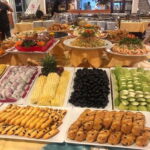
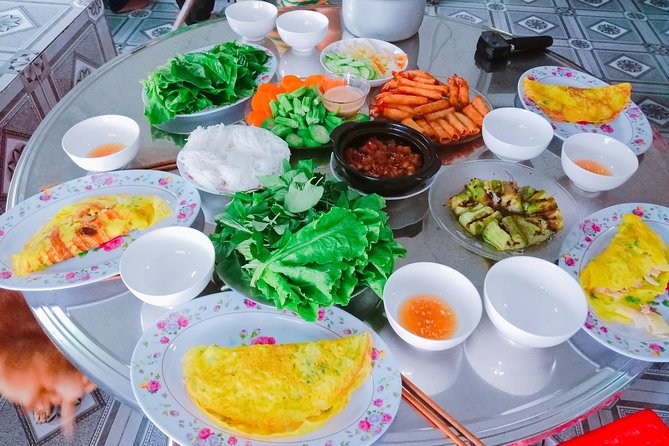
This tour’s food setup is one of its strongest values. Breakfast is served at the floating market area, and lunch is provided before you’re done. That means the day isn’t hostage to whatever you can find near a dock or road.
At breakfast time, pay attention to how the food matches the setting. You’ll be eating while the river market is operating, which turns the meal into part of the experience rather than a stop you have to get through.
Lunch later helps you avoid the common “market hangry” problem. Once you’re full, you can focus on the next stops—rice noodle production, canal views, and two temple visits—without watching your attention fall apart.
If you’re picky about dietary needs, ask in advance. The tour data confirms meals are included, but it doesn’t spell out detailed options. Better to confirm what’s possible before you go.
Sau Hoai rice noodle factory (and/or bakery): watch hands work
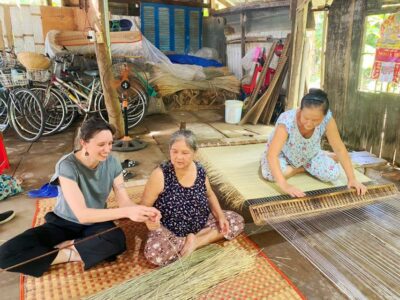
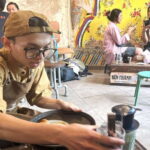
One stop on this route takes you to Sau Hoai’s rice noodle factory. Depending on the day, it may also include a traditional bakery factory, but the core idea stays the same: you’ll see local food craftsmanship up close.
Why it’s worth your time: noodle and bakery work is very hands-on. Even if you don’t speak Vietnamese, you can understand the steps by watching how ingredients turn into workable dough, then into noodles, then into something you can eat later.
This isn’t just a photo stop. It’s usually explained in a way that helps you connect the market you saw earlier to the food that shows up on plates. Cai Rang is about goods moving; the factory stop shows you how one of the staple products gets made.
Drawback? It’s a short visit, not an all-day workshop. If you want a deep, hands-on cooking class, you might find this moment brief. Still, it’s a good “pause” that breaks up the travel and river time with something tactile.
Second Cai Rang stop: fruit gardens, small canals, and a calmer look
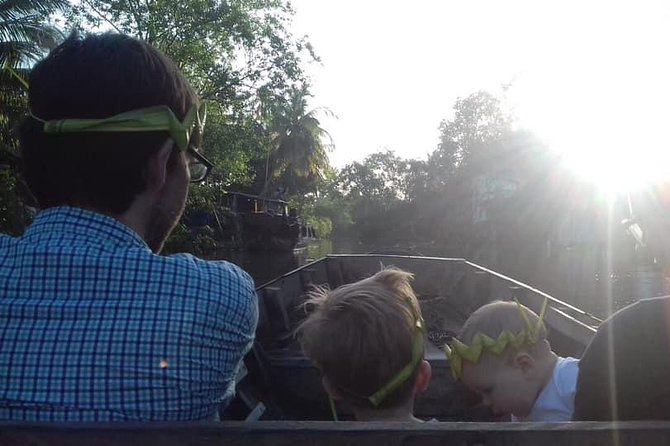
Later, you’ll return to Cai Rang for more exploring—fruit garden viewpoints and small canal areas. This second visit is smart. The market’s first phase can feel intense, because everything is happening at once. A later look gives you a chance to slow down and understand what you saw earlier.
This is also a good time to notice details that you miss on the first pass: how boats line up, how sellers manage space, and how the canal layout shapes movement. If your guide is on top of their game, they’ll translate the scene into simple explanations, like what’s being sold and why certain boats sit where they do.
One more practical point: the river can heat up fast. Plan for water time shade breaks and keep a light mind. The market is a sensory place—smells, sounds, movement—so it helps to take short rests rather than trying to absorb everything nonstop.
You can also read our reviews of more tours and experiences in Ho Chi Minh City

Ong Temple and Muniransay Khmer Buddhist Temple: two quick stops, different styles
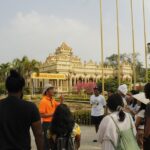
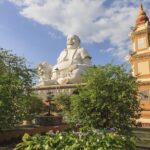
After the food and river sections, the day shifts toward culture. You’ll visit Ong Temple, described as the oldest pagoda in Can Tho, for about 15 minutes. Then you’ll move to Muniransay Khmer Buddhist Temple, also about 15 minutes.
These temple stops are short on purpose. They give you a taste of the region’s religious life without turning the day into a long museum marathon.
Why I like this approach: when you’re already traveling across water and markets, temples provide a needed change of pace. You get a quiet pocket to reset. It’s not “check the box and leave.” With a good guide, you’ll at least get context for what makes each place distinct.
Tip for your visit: treat it like a respectful walk-through. Keep your voice low, dress appropriately, and don’t rush. Even in 15 minutes, you’ll notice the small things—placement, symbols, and how people move through the space.
Price and value check: is $105 a fair deal for a one-day Mekong Delta hit?
At $105 per person, this tour sits in the “solid value if it runs smoothly” category. You’re paying for more than sightseeing. You’re paying for the heavy lift: round-trip transfers from Ho Chi Minh City, a guided day, and two meals (breakfast and lunch).
That matters because the Mekong Delta is not right next door. If you tried to do this independently, you’d be juggling transportation costs and time, and you might still end up missing the early-market advantage that makes Cai Rang special.
What makes the price feel fair:
- Meals included means fewer cash surprises
- Pickup and transfers remove the hardest part of a day trip
- Multiple stops pack together market time, food production, and temples
What can reduce value:
- If the day runs much longer than expected, it changes the “5 hours” premise and affects your energy and plans afterward
- If the floating market is smaller than you hoped on that specific morning, you’ll get the lesson of the market, but the spectacle might feel toned down
So I’d judge this as a good deal if you want a guided taste of the Delta in one day and you’re okay with the reality of a long transfer.
What to pack and how to avoid common hiccups
This tour works best when you’re prepared for a long day with changing environments. You’ll move between vehicles, market zones, and temple areas. Pack like you’re doing a mini adventure, not a city stroll.
Here’s my quick checklist:
- Light clothing for heat, plus a thin layer for air-conditioned rides
- Water bottle (especially important before late morning)
- Comfortable footwear that handles uneven areas
- Sun protection (hat or cap, sunglasses)
- A small day bag to keep your phone and ticket accessible
For hiccups, there are a few things worth knowing. Group tours can shift timing if pick-ups overlap or routes combine. If you’re dependent on exact minutes for later plans, build in buffer time. And if you’re particular about guide attention, it’s smart to ask questions when you want context. A good guide is usually happy to explain, especially during market time.
Finally: the floating market changes quickly. Your best move is not to compare it to a perfect postcard. Focus on learning how it works and what people are trading.
Should you book this Mekong Delta & Cai Rang day trip?
If you’re looking for an efficient, guided taste of the Mekong Delta from Ho Chi Minh City, I’d say yes. This is especially a good pick if you care about the early Cai Rang experience and you want breakfast plus lunch handled for you.
I’d think twice if:
- You’re trying to keep the day strictly short, because real door-to-door time can stretch on group schedules
- You’re expecting a huge, constant sea of boats no matter what day you go
- You hate having any timing uncertainty at all
My bottom line: this tour is best for travelers who value guidance, simple logistics, and a structured day that ends with you back with the rest of your time.
FAQ
How long is the tour?
The duration is listed as about 5 hours.
Do I get hotel pickup and round-trip transfers?
Yes. The tour includes hotel pickup and round-trip transfers from Ho Chi Minh City.
Is breakfast included?
Yes. Breakfast is included at the first stop at Cai Rang Floating Market.
Is lunch included?
Yes. Lunch is provided before the tour ends.
What stops are included in the itinerary?
The stops listed are Cai Rang Floating Market, Sau Hoai’s Rice Noodle Factory (or a traditional bakery factory), another Cai Rang Floating Market visit, Ong Temple, and Muniransay Khmer Buddhist Temple.
Are admission tickets required?
Admission tickets are listed as free for the stops mentioned.
How big is the group?
The tour has a maximum of 60 travelers.
What is the cancellation policy?
Free cancellation is available up to 24 hours in advance for a full refund.