REVIEW · HO CHI MINH CITY
HCM city Chinatown Landscape, Beliefs & ghost tour by scooter
Book on Viator →Operated by Toward Local · Bookable on Viator
Spooky stories and scooter streets in Saigon. This Chinatown + Beliefs and Ghost tour pairs motorbike exploring with talk about the Chinese-Vietnamese community and the religions Saigonites practice day to day. I like the English-speaking guide energy and the way the route turns ordinary streets into a living lesson. You’re not just looking at sights.
One thing to plan for: you’ll be on a scooter, so weather and comfort matter. If it’s hot, buggy, or rainy, your experience will feel more like moving around the city than relaxing.
In This Review
- Key things to know before you go
- Why a scooter ghost tour fits Saigon so well
- Price and value: what $16 buys you here
- Where you start: Saigon Opera House and quick orientation
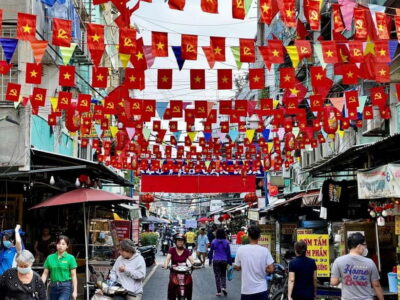
- Stop 1: Ho Thi Ky Flower Market and why it matters
- Stop 2: “Ho Chi Minh City” for context, not just scenery
- Stop 3: Nguyen Thien Thuat Apartment Buildings (built in 1968)
- Chinatown, Chinese-Vietnamese life, and the beliefs behind the markets
- Ghost stories: spooky fun with cultural context
- How the tour runs: timing, group size, and route flexibility
- Scooter comfort and safety without making it a big production
- Who this tour is best for (and who should skip it)
- Should you book this Chinatown and Beliefs & Ghost scooter tour?
- FAQ
- What’s the duration of the HCM City Chinatown, Beliefs & Ghost tour by scooter?
- How much does the tour cost?
- Is hotel pickup available?
- Where is the meeting point?
- Are there any included items for the ride?
- What stops are included on the route?
- How big is the group?
- Is free cancellation available?
Key things to know before you go
- Chinatown focus, not a generic “tourist zone” walk: You’ll spend time around Saigon’s biggest Chinatown to understand how Chinese-Vietnamese life works.
- Beliefs and ghost lore tied to places: Stories aren’t random; they’re linked to everyday sites and cultural spaces.
- English guides with real personality: People highlight guides like Vincent, Mallorie, Jay, Hanah, Peter, Danny, Daisy, Lucy, and Dess.
- Scooter speed with neighborhood textures: You cover more ground than you would on foot, and you actually pass local daily-life areas.
- Small group size: The tour tops out at 30 people.
- Practical extras for comfort: Helmet, bottled water, coffee/tea, and a raincoat if needed.
Why a scooter ghost tour fits Saigon so well
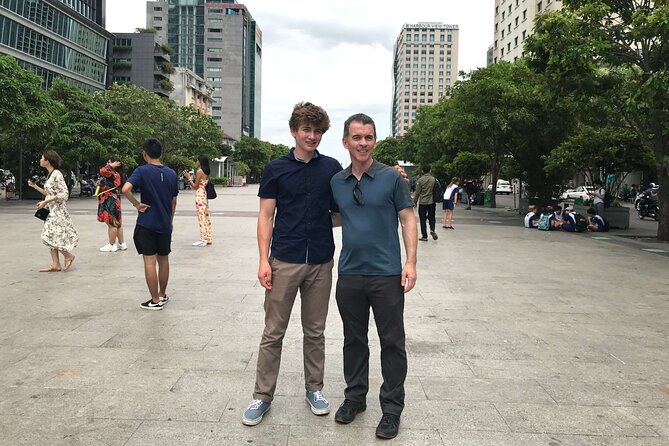
Saigon doesn’t feel like a museum city. It feels like a city you ride through, notice in pieces, then understand better when someone points out what you would normally miss. That’s exactly why this motorbike Chinatown and ghost format works.
You’re moving quickly enough to see multiple districts in a short window (roughly 2 to 4 hours), yet you’re still stopping long enough to hear the backstories. The tour also gives you context for the supernatural side: in Saigon, beliefs aren’t only about temples or old myths. They show up in routines, memorials, and the way people talk about the unseen.
Two more practical reasons I think it’s a good choice for most visitors. First, you get pickup and drop-off in District 1 and District 3, so you’re not wasting half your day in transit. Second, you don’t have to manage the details of gear and pacing—helmet and raincoat are included, plus water and coffee/tea.
You can also read our reviews of more city tours in Ho Chi Minh City


Price and value: what $16 buys you here
The price is listed at $16.00 per person, and that’s the big reason the tour gets booked. On paper, it sounds modest. In real travel terms, it’s a bundle: a guide, scooter logistics handled for you, and enough included items that you won’t need to buy refreshments on the fly.
The standard package includes:
- coffee and/or tea
- bottled water
- fuel surcharge
- a friendly English-speaking guide
- helmet and raincoat (if needed)
- hotel pickup/drop-off (District 1 and District 3)
There’s also an option that can reduce cost: an only-driver choice where the driver has only basic English. That’s useful if you’re budget-first and don’t care as much about interpretation. If you do want the stories and cultural explanations to land, the full guided option is where the value really concentrates.
Where you start: Saigon Opera House and quick orientation
Your meet point is Saigon Opera House (07 Công trường Lam Sơn, Bến Nghé, Quận 1). The tour ends back at the meeting point, with convenient drop-off also offered in central areas like City Hall, Ben Thanh Market, Saigon Square, Pink Church, Opera House, and Coffee Apartment.
Starting near the Opera House helps because it’s a clean, easy landmark in District 1. From there, the tour can thread into different neighborhood textures without you having to decode transit routes first. Expect the guide to set the tone early—this is a story-driven ride, not a checklist march.
Stop 1: Ho Thi Ky Flower Market and why it matters

The first stop is Ho Thi Ky Flower Market, one of Saigon’s biggest flower markets. You’ll have about 30 minutes here with admission ticket included.
At first glance, a flower market sounds like a sightseeing pit stop. But in a beliefs-and-ritual tour, it’s more like a doorway. Flowers in Vietnam are often tied to offerings, celebrations, and daily respect rituals. Watching people buy and use flowers helps you understand the city’s visual language—what looks decorative to tourists can function as something meaningful for locals.
Practical notes for this stop:
- Wear something comfortable for walking and standing.
- If it’s humid, you’ll appreciate that you’re not here for long.
- Take a moment to notice what people are buying, not just the flowers themselves.
If you’re thinking of taking photos, do it quickly and respectfully. Markets move fast, and the goal is learning how this place connects to local life.
Stop 2: “Ho Chi Minh City” for context, not just scenery
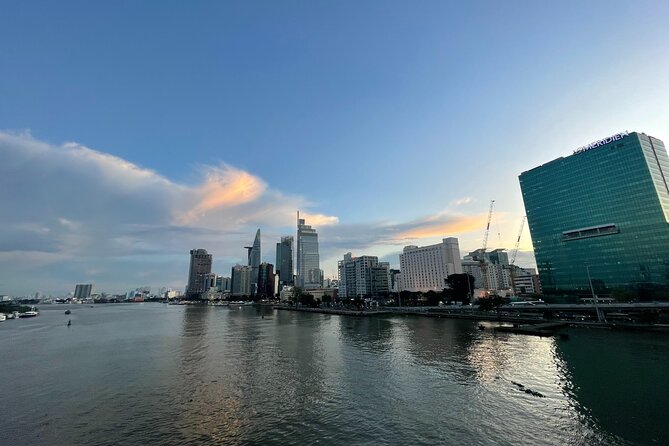
The itinerary lists a stop labeled Ho Chi Minh City with about 2 hours in the schedule, and it’s marked as admission free.
Even without a formal ticketed attraction, this kind of middle segment is often where the tour becomes clearer: you get guided explanations during transit and short stops around meaningful areas. This is typically where the guide links neighborhoods to the themes of the night—Chinese-Vietnamese community life, the mix of religions, and how belief shows up in daily behavior.
I like this structure because it prevents the tour from becoming only a series of brief photo stops. You’re hearing the “why” while you’re still in motion, so the city makes more sense when you see it.
You can also read our reviews of more tours and experiences in Ho Chi Minh City

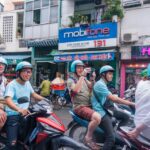
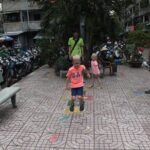

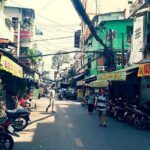
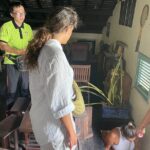
Stop 3: Nguyen Thien Thuat Apartment Buildings (built in 1968)
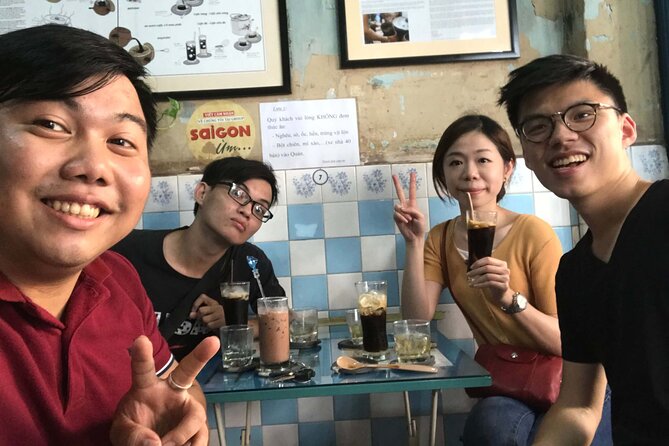
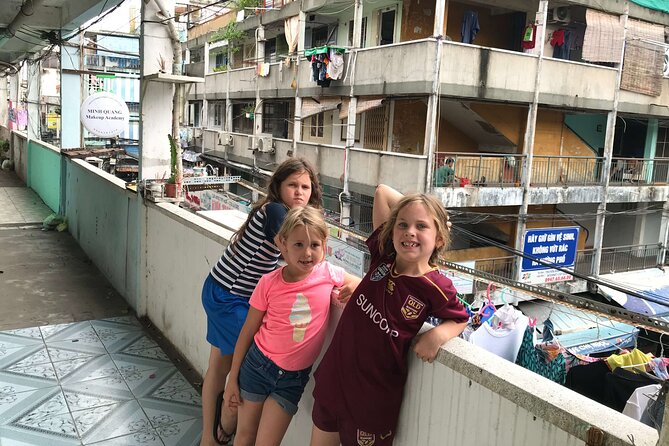
Next up is Nguyen Thien Thuat Apartment Buildings, with about 30 minutes and admission ticket included. This is described as an older apartment area—built in 1968—where you get an “authentic atmosphere” of local life.
This is a smart choice for a beliefs and ghost-focused tour because it shifts your attention away from only temples and museums. Apartment blocks are where routine life happens. They’re also where stories about protection, respect, memorials, and the unseen can feel more believable because they connect to real neighbors and real spaces.
What you’ll get from this stop:
- A street-level sense of Saigon’s everyday architecture
- A chance to slow down and observe communal life in an older building
- More room for the guide to explain cultural meaning behind what you’re seeing
The trade-off is simple: this is a walk-and-look stop, not a big indoor attraction. If you prefer grand monuments only, this might feel less dramatic. If you like understanding how a city actually lives, it’s one of the most rewarding parts.
Chinatown, Chinese-Vietnamese life, and the beliefs behind the markets
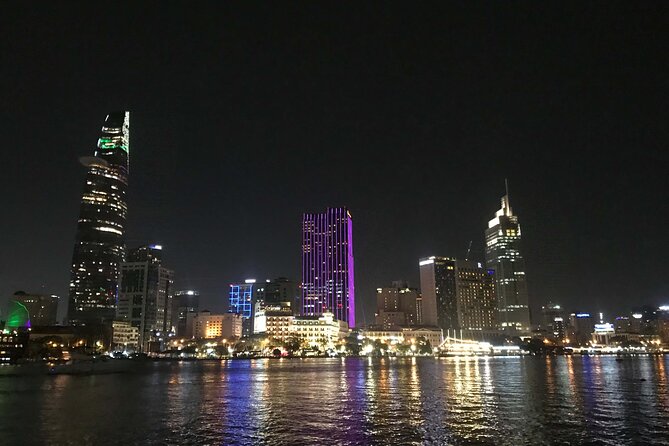
The tour’s core theme is the Chinese-Vietnamese community in Saigon, plus the beliefs and religions practiced by locals. Instead of treating Chinatown like a single photo stop, the route is built around how Chinese-Vietnamese life shows up through commerce and community spaces.
In practice, that means you’ll spend time around the area considered Vietnam’s largest Chinatown and learn about:
- the market rhythms and what people buy and value
- the religious and belief framework that influences public space
- how culture blends in everyday life, not only during festivals
This matters because Chinese-Vietnamese culture is part of Saigon’s identity, and it explains a lot about signage, offerings, and the way people show respect. Even if you don’t memorize every detail, you’ll come away with a clearer map of what you’re looking at.
Ghost stories: spooky fun with cultural context
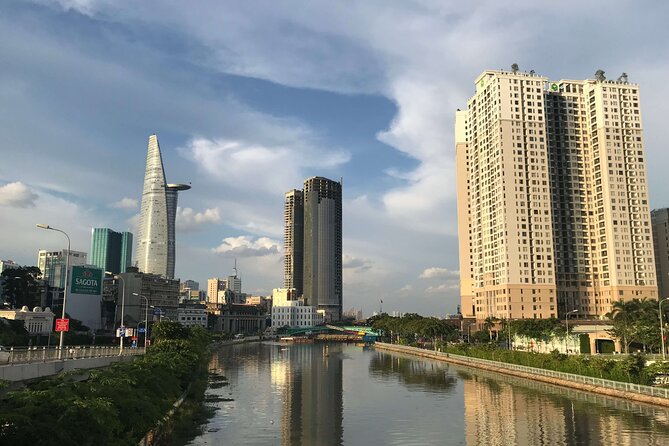
The ghost part of this tour isn’t just jump-scare storytelling. Guides tend to frame the “spooky” with cultural reasons—how beliefs operate, why certain places trigger certain fears or rituals, and how locals interpret the unseen.
That blend is exactly what people tend to love. In the feedback you can feel a pattern: guides like Vincent, Mallorie, Jay, Hanah, Peter, Danny, Daisy, Lucy, and Dess are praised for pairing storytelling with culture, and for having strong English that makes the details easy to follow.
You should expect:
- ghost stories told with humor and pacing
- explanations about Buddhism and everyday belief practices
- references to funerals and how people treat the departed (the human side matters here)
If you’re sensitive to scary content, keep this in mind. It’s not described as a horror movie, but it does lean into the supernatural. If you’re someone who enjoys light fear plus explanation, you’ll likely have a great time.
How the tour runs: timing, group size, and route flexibility
You’re looking at 2 to 4 hours total, with a maximum group size of 30 travelers. That’s big enough to feel social, small enough that your guide can still talk and answer questions.
Pickup and drop-off are offered for District 1 and District 3, which is convenient if your hotel is near the central sights. If not, you’ll likely meet at the Opera House and then get dropped back there, with central drop-off options listed for places such as Ben Thanh Market and City Hall.
One more realism note: the schedule can shift because a restaurant might be closed or an attraction might be under maintenance. That’s common in city tours. I’d go in expecting a bit of flexibility, not a perfectly timed movie scene.
Scooter comfort and safety without making it a big production
This is a scooter experience, so comfort prep makes a difference. The tour includes helmet and a raincoat if needed, and it provides bottled water plus coffee/tea.
Still, you should dress for moving:
- Comfortable shoes (you’ll be walking at markets and building stops)
- Light layers for heat, and a way to handle rain if the forecast shifts
- A phone bag or zip pocket for your phone (you’ll want it for quick photos)
The scooter pace is also part of why the tour feels efficient. You won’t be stuck only in one neighborhood for hours. Instead, you’ll build a bigger picture of Saigon’s Chinese-influenced areas and the belief culture that runs beneath the surface.
Who this tour is best for (and who should skip it)
This is an excellent fit if you want:
- a story-driven Saigon night experience
- a scooter tour that mixes history, culture, and belief
- a Chinatown-focused look that goes beyond souvenir shopping
- cultural explanations with ghost stories as the hook
It’s also a strong choice for repeat visitors. Even if you’ve been to Saigon before, this style helps you see the city’s social and belief layers instead of only famous landmarks.
I’d think twice if you:
- hate riding on scooters (even with a helmet)
- want a quiet, museum-like pace
- are completely turned off by supernatural themes, even when they’re explained
Should you book this Chinatown and Beliefs & Ghost scooter tour?
If you like your travel with local meaning, not just sightseeing checkmarks, I think this is a smart buy. The price feels fair for what you get: a guided English experience, practical support (helmet, raincoat, water, coffee/tea), and a route that teaches you how Chinatown life and belief culture connect.
Book it especially if you want something different from the usual “temples only” or “food only” nights. The ghost stories are fun, but the real payoff is learning how beliefs and everyday behavior shape the spaces you’re riding through.
If you’re unsure, here’s your deciding shortcut: pick the full guided option rather than the only-driver choice. When the guide’s English and storytelling style are strong—as they often are here—you’ll understand what you’re seeing, and the spooky parts make more sense too.
FAQ
What’s the duration of the HCM City Chinatown, Beliefs & Ghost tour by scooter?
It runs for about 2 to 4 hours.
How much does the tour cost?
The listed price is $16.00 per person.
Is hotel pickup available?
Yes. Pickup and drop-off are offered for hotels in District 1 and District 3.
Where is the meeting point?
The tour starts at Saigon Opera House, 07 Công trường Lam Sơn, Bến Nghé, Quận 1.
Are there any included items for the ride?
Yes. The tour includes bottled water, coffee and/or tea, a helmet, and a raincoat if needed.
What stops are included on the route?
The tour includes a stop at Ho Thi Ky Flower Market and visits Nguyen Thien Thuat Apartment Buildings. The schedule may change if a restaurant is closed or an attraction is under maintenance.
How big is the group?
The tour has a maximum of 30 travelers.
Is free cancellation available?
Yes. You can cancel up to 24 hours in advance for a full refund, and the experience requires good weather.