REVIEW · HO CHI MINH CITY
Ho Chi Minh City: Ghost, Belief & Culture Tour on Motorbike
Book on GetYourGuide →Operated by CONNECT CULTURE CO.,LTD · Bookable on GetYourGuide
Ho Chi Minh City can feel like a blur of traffic and scooters, but this tour turns that chaos into a story. I love the motorbike ride because it keeps you moving through real neighborhoods, and I also love how the ghost stories are tied to beliefs, places, and local customs—not just cheap thrills. The main catch is simple: it’s on a scooter, so if you have a sensitive back or mobility issues, this isn’t a good match.
You’ll start with a pagoda to understand how people here think about gods and the circle of life, then you’ll head into darker parts of the city with a guide who explains what you’re seeing. You’ll also get a practical break for Bánh mì and a drink, so you’re not stuck in long, spooky mode the whole time. One consideration: the funeral stop includes a walk inside to witness ceremonies, so you’ll want to stay respectful and be ready for a more serious tone.
In This Review
- Key Things You’ll Notice on This Ghost, Belief & Culture Ride
- Why a Motorbike Ghost Tour Makes Sense in Ho Chi Minh City
- Pagoda Opening: Gods, Worship, and the Circle of Life
- Funeral House Stop: Ceremonies, Customs, and Guided Ghost Stories
- Chinatown’s Ghost Building: The Fung Shui Angle on Legends
- The Bánh Mì Break: Fuel, Local Coffee, and a Bit of Normal Life
- Thích Quang Đức Monument: A Protest, a Belief, and 1963
- Price and What You’re Really Getting for Around $16
- Motorbike Practicalities: Safety, Comfort, and Staying Present
- Who Should Book This (and Who Should Skip It)
- Should You Book This Ghost, Belief & Culture Tour?
- FAQ
- How long is the Ho Chi Minh City Ghost, Belief & Culture Tour?
- Where do I get picked up?
- Is the tour on a motorbike?
- What food and drinks are included?
- What stops are included on the route?
- Can I book a private or small group option?
- Is the tour refundable if I cancel?
Key Things You’ll Notice on This Ghost, Belief & Culture Ride
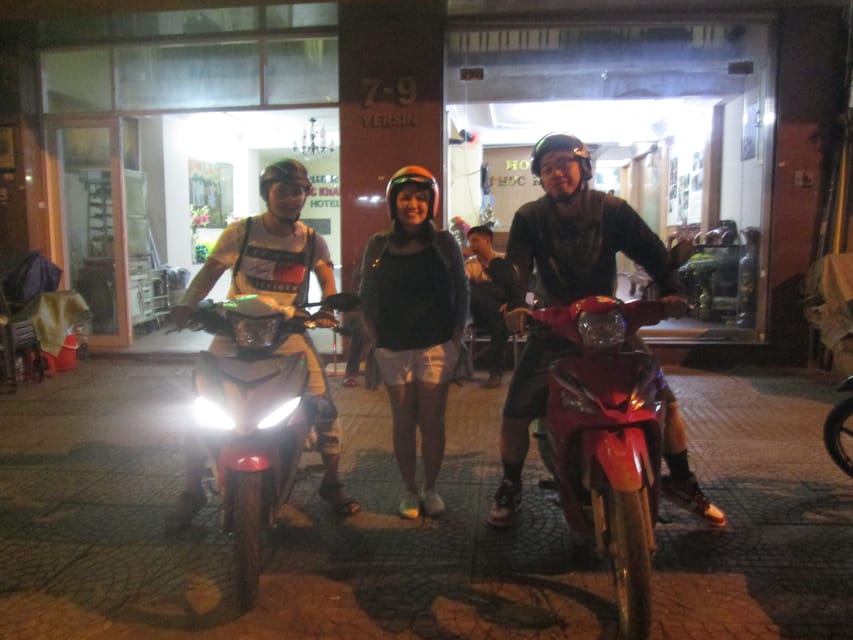
- Motorbike format keeps the pace lively and lets you cover the “most haunted” stops fast
- Pagoda start gives you the belief background behind the legends
- Funeral house walk-through blends customs with guided ghost stories
- Chinatown Ghost Building is explained through Fung Shui logic, not just rumors
- Bánh mì + coffee/juice/smoothie break keeps energy up for the second half
- Thích Quang Đức monument stop connects the “ghost” feeling to a major 1963 event
Why a Motorbike Ghost Tour Makes Sense in Ho Chi Minh City
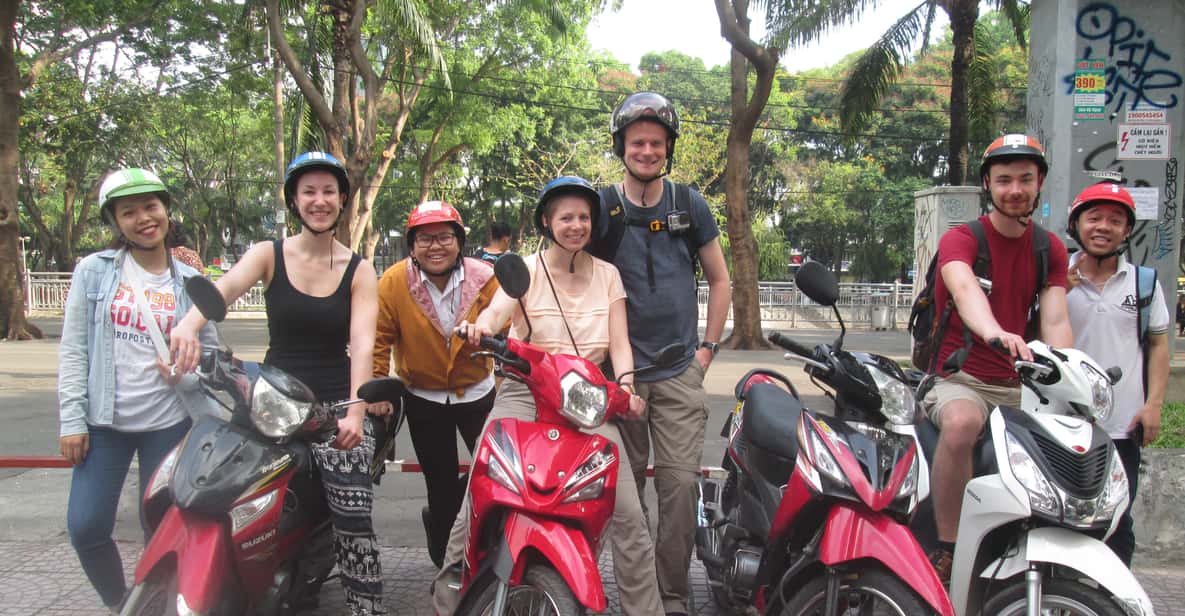
A ghost tour can go two ways: either it’s all theatrics, or it actually helps you read the city. This one leans toward the second approach. By putting you on the back of a motorbike, you’re not stuck staring at a map—you’re passing the real storefronts, alley rhythm, and neighborhood corners that make a legend feel believable.
The tour also mixes “belief” with “culture.” That matters because in Vietnam, religion and daily life overlap in ways that can sound strange if you only expect modern, secular explanations. Here, you’ll hear about worshiping different kinds of gods and the circle of life before the darker stories start.
You should also know the tone shifts across stops. The ride is exciting. The stories are fun. But the funeral house and the Thích Quang Đức monument are more solemn, and you’ll feel that.
You can also read our reviews of more city tours in Ho Chi Minh City


Pagoda Opening: Gods, Worship, and the Circle of Life
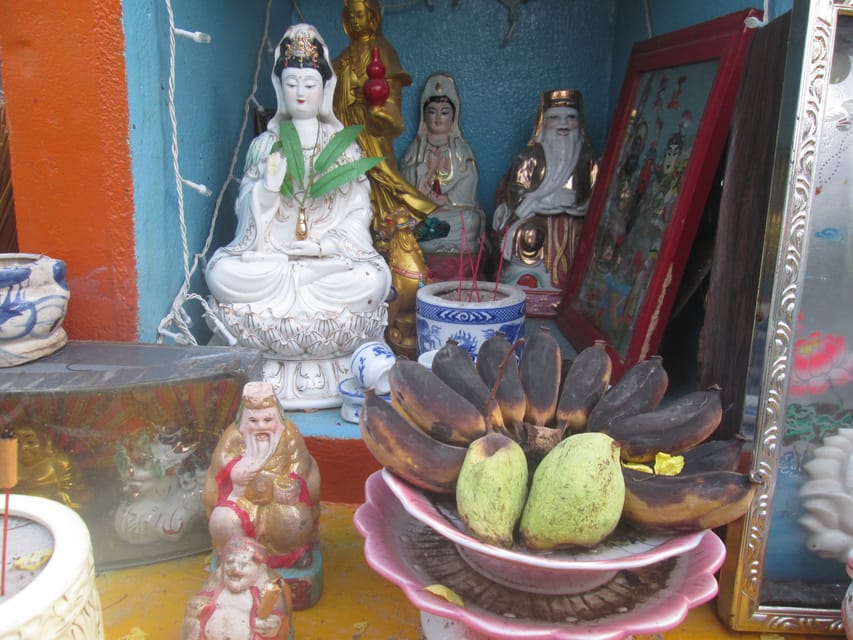
The experience begins at a pagoda, and that’s not a random warm-up. This first stop sets the mental framework for everything else on the route. You’ll learn about Buddhism in the local context and how belief shows up in how people worship.
Your guide covers ideas like worshiping different kinds of gods and the circle of life. That turns later scenes—like funeral customs and haunting legends—into something you can actually interpret. Without that context, ghost stories can become pure entertainment. With it, they start to feel like community memory.
What I like about starting here is that it gives you a chance to reset expectations. If you’re worried the whole tour will be “scary,” this pagoda start is a reality check. It’s cultural first, eerie second.
Funeral House Stop: Ceremonies, Customs, and Guided Ghost Stories
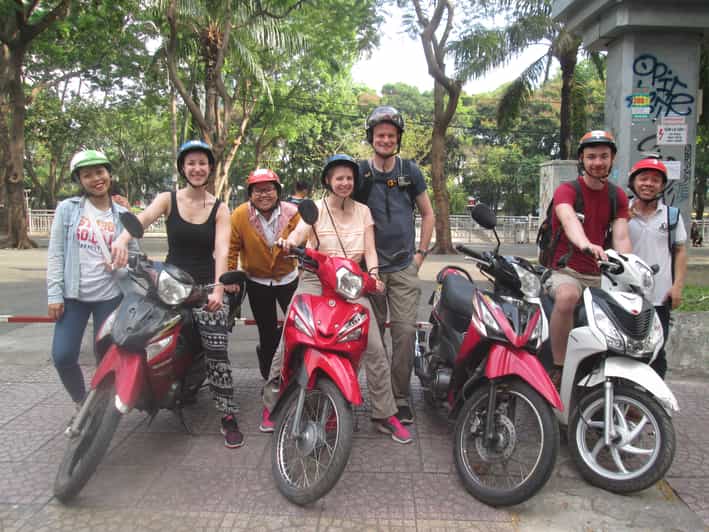
Next comes the Funeral House, and the tour doesn’t hide what it is. You’ll walk inside to witness funeral ceremonies, and your guide shares customs around funerals along with ghost stories or personal experiences.
This is where the tour becomes most meaningful—and most important to approach with care. Even if you came for legends, the funeral segment is about real life rituals. You’ll get the customs explained as you watch, so you’re not just seeing unfamiliar gestures without meaning.
Possible drawback: the content can be emotionally heavy. It’s not meant to be creepy for the sake of it. Instead, it’s meant to connect belief with the way people think about death and the next stage of the circle of life. If you prefer light and playful only, you might find this part intense.
A practical note: you’ll be inside during ceremonies, so keep your posture respectful and be mindful of space. The guide is there to help you understand what you’re seeing, so listen closely and follow any instructions.
Chinatown’s Ghost Building: The Fung Shui Angle on Legends
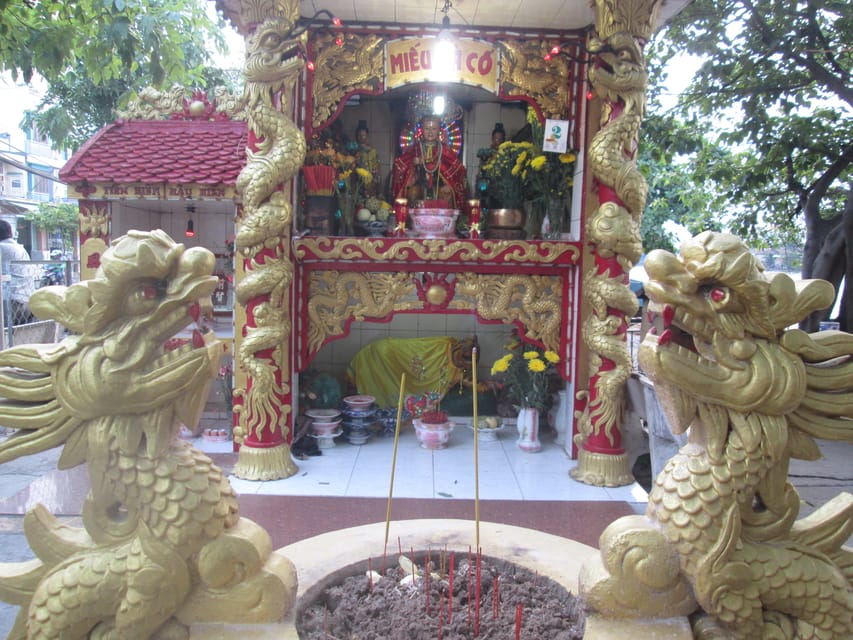
After the funeral stop, you head to the biggest Chinatown area. Here’s where the tour becomes more legend-forward, but still tied to culture. You’ll stop at the Ghost Building, an abandoned structure in Chinatown said to be linked to Fung Shui.
The way this is presented helps. Instead of treating the building as a simple spooky attraction, your guide explains the belief logic behind why such a place became associated with haunting. Fung Shui gives a framework for understanding how people interpret space, energy, and misfortune.
This stop is a good example of what makes the tour different from a purely jump-scare itinerary. The guide is connecting geography and belief: a particular building isn’t random—it’s part of a story that locals use to explain what they feel.
If you love urban legends, this is the moment. And if you’re skeptical, it still offers value because you’ll learn why people believe, how they talk about places, and how reputation spreads through neighborhoods.
The Bánh Mì Break: Fuel, Local Coffee, and a Bit of Normal Life
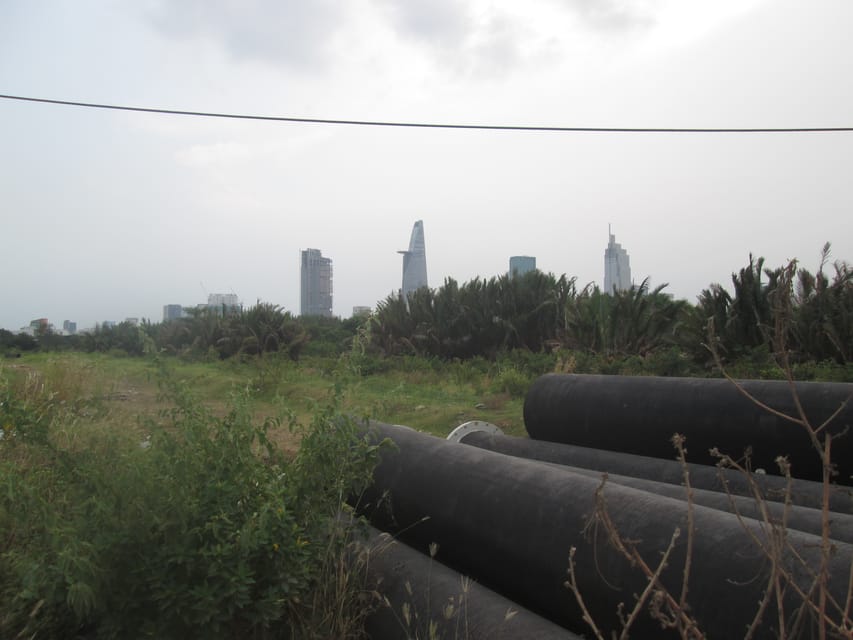
Mid-tour, you get a break to eat. This is not just a “food add-on.” It changes the pace of the day. After pagoda thoughts and funeral atmosphere and Chinatown legends, you’ll sit down with Vietnamese Bánh mì and a drink.
The tour description points to Vietnamese baguette-style sandwiches, plus coffee/juice/smoothies depending on the option. The practical takeaway: you’ll likely want this reset, especially if you’re doing the ride during hotter hours.
I like that the food choice is classic and simple. Bánh mì is easy to eat on the fly, and a local coffee shop stop keeps the tour grounded in normal daily life. You’re seeing belief and legend, but you’re also tasting the city as it actually is.




Thích Quang Đức Monument: A Protest, a Belief, and 1963
The final stop is the Thích Quang Đức monument. Your guide explains that he burned himself to protest the persecution of Buddhists in 1963.
This is the moment where the “ghost” label stops being literal. Yes, you’re hearing haunting stories. But you’re also being shown how belief, politics, and public memory can leave marks on a cityscape for decades.
What makes this ending land well is the build-up. Starting with a pagoda helps you understand belief. Passing through funeral customs helps you understand how death fits into the circle of life. Visiting haunted-style locations helps you see how stories travel through neighborhoods. Then the Thích Quang Đức monument ties it all back to real historical pain and conviction.
It’s also a respectful reminder: some parts of this itinerary are serious. If you come ready to treat the tour like a guided lesson, you’ll get more out of it than if you show up expecting only spooky entertainment.
Price and What You’re Really Getting for Around $16
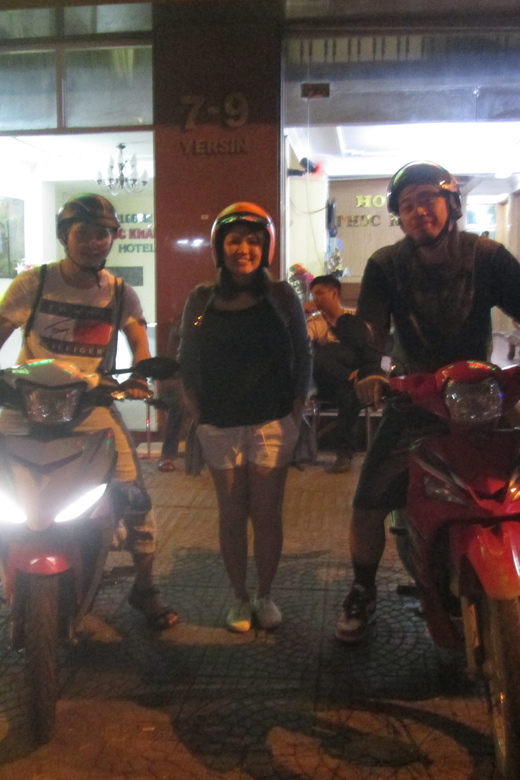
At about $16 per person, this is one of those tours that feels almost too cheap for what’s included. The value isn’t just the stories. You’re getting round-trip transfers from your hotel within District 1, 3, and 4, plus a motorbike and fuel, a helmet, and poncho coverage if required. You also get an English-speaking driver/guide, insurance, and a meal break with Bánh mì plus a drink.
That combination matters because it removes the annoying parts of arranging a scooter tour on your own: transportation, safety gear, and a guide who can interpret what you’re seeing. When you add in the fact that the route includes multiple distinct stops—pagoda, funeral house, Chinatown ghost building, monument—you can see why it’s good value.
A small consideration: the duration can run 2 to 4 hours. If you’re on a super tight schedule, check the starting time availability so you’re not guessing.
Also note the tour is offered as join-in motorbike tour, with private or small groups available. If you’re paying more for privacy, there are add-ons (like a private option surcharge), but for the base price, the tour offers a lot of movement for your money.
Motorbike Practicalities: Safety, Comfort, and Staying Present
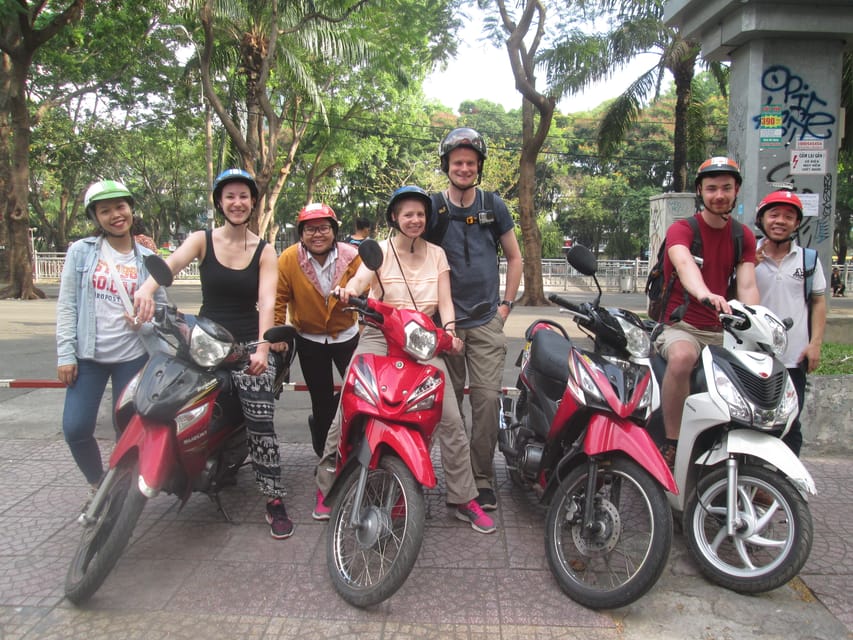
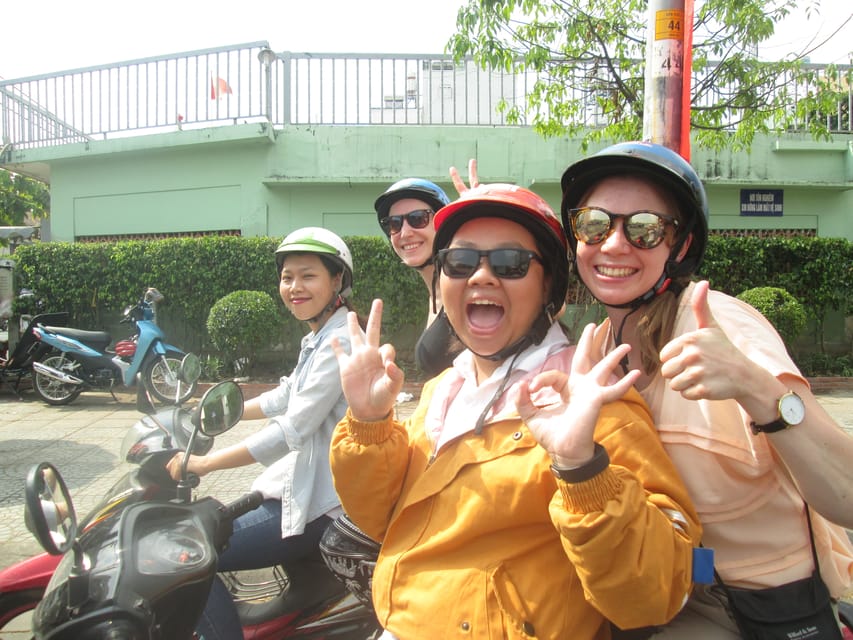
This is a motorbike tour, so your comfort matters. You’ll ride on the back, which can feel thrilling in the moment but tiring after a while. The company provides a helmet, and a poncho if required, which is good planning for sudden rain.
The tour isn’t listed as suitable for people with back problems or people over 70. If that’s you, skip it. If it’s not you, still consider how you’ll handle bumps and stops. Hold on where the guide or driver expects, keep your balance, and avoid awkward shifting.
For staying present, I suggest you mentally “assign jobs” to each stop. At the pagoda, listen for the belief framework. At the funeral house, focus on customs and what the guide says about ceremonies. In Chinatown, focus on how the Fung Shui story explains why people talk about a place the way they do. When you do that, the ride becomes easier to follow.
The reviews you’ll see for this tour repeatedly praise the guide style and the energy of the ride. Guides named Vincent, Danny, and Wibu are specifically mentioned for strong English and for making the stories fun while still teaching something real about the city.
Who Should Book This (and Who Should Skip It)
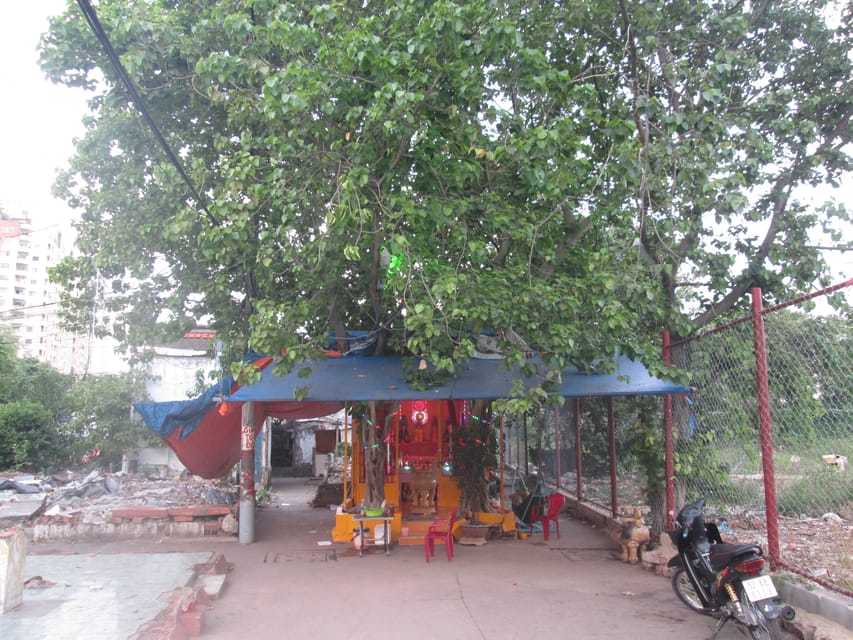
This tour fits best if you want Ho Chi Minh City in a different order: not just landmarks, but beliefs made visible through daily rituals and local storytelling. I think it’s a great choice for travelers who like urban legends but also want meaning behind them.
It’s especially good if you enjoy:
- religious and cultural context, even if you’re not a religion expert
- guided explanation that turns places into stories with reasons
- a fast-moving itinerary without spending hours coordinating transport
Skip it if you:
- have back problems
- are over 70
- want a purely light, comedy-style ghost tour only
Also, bring a respectful attitude. Even though the tour includes ghost stories, the itinerary includes funeral ceremonies and a historical protest monument tied to persecution of Buddhists in 1963. It’s not just for chills.
Should You Book This Ghost, Belief & Culture Tour?
I’d book it if you’re the type of traveler who likes stories with roots. For the price, you’re getting motorbike transport, a guide in English, real stops tied to belief, and a food break that keeps you comfortable. The fact that the tour starts at a pagoda and ends at the Thích Quang Đức monument makes the whole experience feel like a connected lesson, not scattered stops.
I’d hesitate only if you’re sensitive to funeral-related content or you know the motorbike format will be uncomfortable. If you’re good with scooters and you’re ready to treat the serious stops seriously, this is a memorable way to see Ho Chi Minh City beyond the usual photo list.
If you’re deciding, go with your curiosity—and double-check the pickup area that applies to your hotel so you’re not surprised by the meeting point or possible surcharges.
FAQ
How long is the Ho Chi Minh City Ghost, Belief & Culture Tour?
The tour duration is listed as 2 to 4 hours, depending on starting times and availability.
Where do I get picked up?
Free pick-up is available from hotels in District 1, 3, and 4. If your hotel is outside that area, you can use the meeting point at Saigon Opera House, 07 Quảng Trường Lam Sơn, Quận 1, or pay a 5 USD per person surcharge if you want pick-up.
Is the tour on a motorbike?
Yes. It’s a join-in motorbike tour, with motorbike and fuel included. Helmets are provided, and poncho coverage is provided if required.
What food and drinks are included?
You’ll get Bánh mì (Vietnamese baguette sandwich) and a Vietnamese coffee or smoothies. The description also mentions coffee, fruit juice, or smoothie options.
What stops are included on the route?
The tour includes a pagoda start, the Funeral House with a walk inside to see funeral ceremonies, the biggest Chinatown area with a stop at the Ghost Building, a break for Bánh mì and drinks, and a final stop at the Thích Quang Đức monument.
Can I book a private or small group option?
Yes. Private or small groups are available. The private tour option has a surcharge of 5 USD per person.
Is the tour refundable if I cancel?
Yes. The experience offers free cancellation up to 24 hours in advance for a full refund.