REVIEW · HO CHI MINH CITY
Ho Chi Minh City Tour: Full-day or Half-day AM/PM
Book on GetYourGuide →Operated by Ha Henry company · Bookable on GetYourGuide
Saigon’s big stories fit into one day. I love that you start at Independence Palace and connect French-era landmarks like Notre Dame and the Central Post Office, then wrap with the War Remnants Museum so the city’s past actually clicks. A possible snag: Notre Dame is typically an outside visit because the interior can be under renovation, and the depth of English commentary can vary by guide.
If you want the city’s rhythm, follow the routes of locals. The afternoon route through Chinatown (Cholon) and Thien Hau Pagoda is built for people-watching, incense, and details you’d skip on your own. Just know this isn’t a private, slow, luxury experience—expect a smart pace and a few photo-stop moments.
The full-day option is the best fit if you’re short on time and want one pass over the main highlights. It’s also the one most affected by real-world timing since traffic and opening hours can shift, but the tour is designed to cover the key sights whenever conditions allow.
In This Review
- Key takeaways before you go
- Timing and pickup in District 1: how the day really flows
- Independence Palace and Notre Dame: French-era icons with real political weight
- War Remnants Museum: what you’re really paying for
- Central Post Office photo stop: a small moment that helps the whole picture
- Chinatown (Cholon) and Thien Hau Pagoda: incense, ceramics, and local life
- Saigon Waterbus cruise: skyline views without the luxury price
- Guide quality and language: the difference between a good tour and a smart day
- Value for $26: what’s included, what you’ll still spend on
- Which option should you pick: morning highlights vs river and Chinatown vs full day
- Potential gotchas: renovation, outside-only views, and schedule shifts
- Should you book this Ho Chi Minh City tour?
- FAQ
- How long is this Ho Chi Minh City tour?
- Where does pickup happen?
- What time does the morning tour start?
- What time does the afternoon tour start?
- What attractions are included in the morning option?
- What attractions are included in the afternoon option?
- What’s included in the price?
- What isn’t included?
- Is the Notre Dame interior visit included?
- Is there a full-day option?
Key takeaways before you go
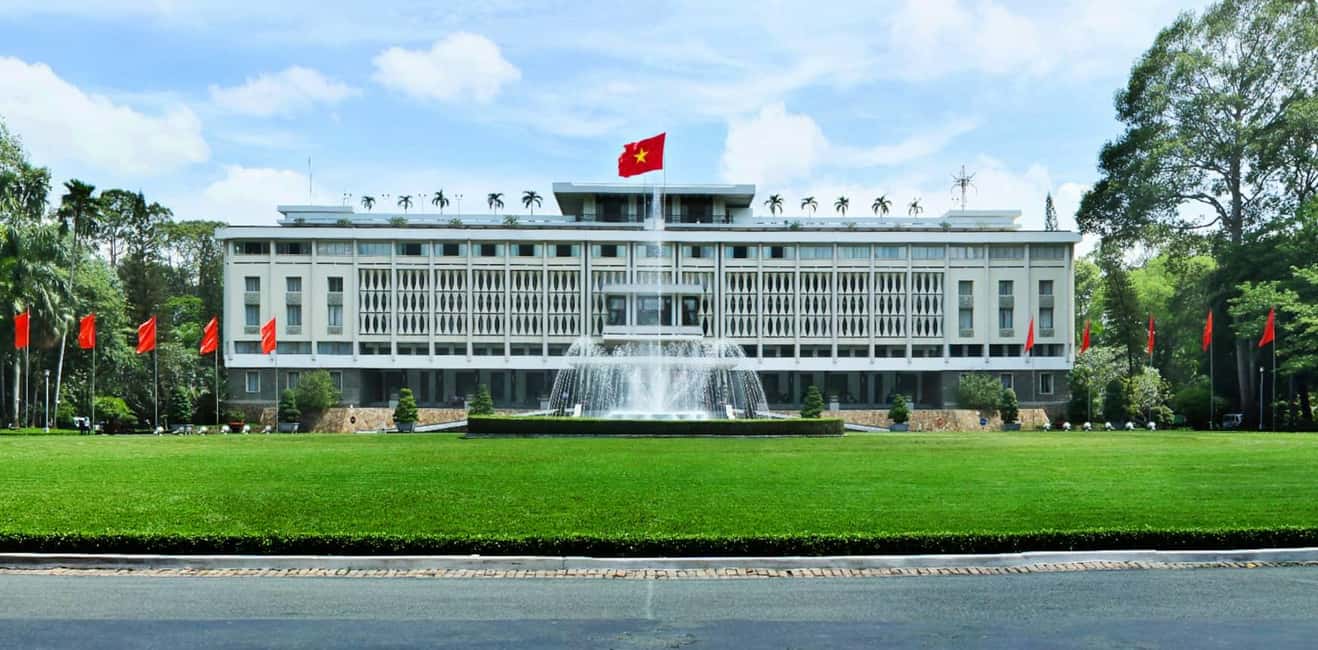
- Independence Palace + Central Post Office give you a fast snapshot of French colonial and post-colonial Saigon design
- War Remnants Museum is the emotional anchor, with exhibits that explain how conflict hit everyday life
- Cholon + Thien Hau Pagoda turn the afternoon into local culture, not just landmarks
- Saigon Waterbus is a relaxed, public-boat way to see the skyline from the river
- English guide quality matters more than people expect—ask questions early so you get value from the time
Timing and pickup in District 1: how the day really flows
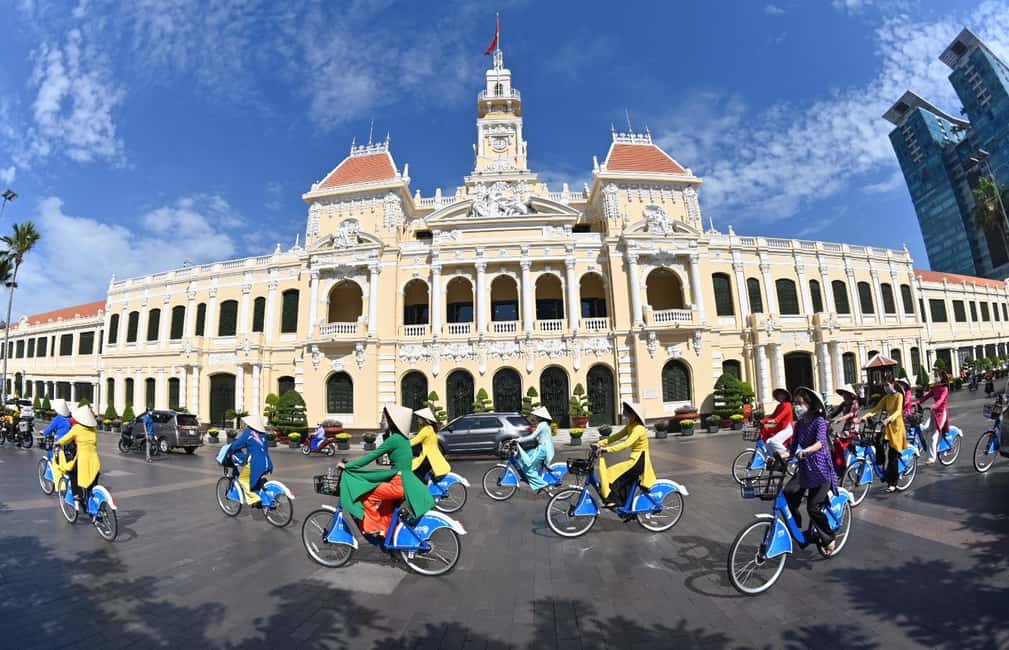
This tour is built around convenient pickup in Ho Chi Minh City, District 1. For the morning option, pickup is usually between 07:30 and 08:00, and you’ll generally be dropped back around 12:00. For the afternoon option, pickup comes around 12:30 to 13:00, with return around 18:00.
That timing matters because a lot of Saigon’s best sightseeing is about being there before heat and crowds stack up. The tour also uses a mix of drive-bys, outside views, and short visits. That can feel “efficient” in a good way—especially for first-timers—but it also means you won’t have the kind of slow, wandering time you might prefer if you travel like a local.
One more practical point: the itinerary can change because of traffic, opening times, and local conditions. The operator’s promise is coverage of the main listed attractions whenever possible, but expect some flexibility in exact sequencing.
You can also read our reviews of more city tours in Ho Chi Minh City


Independence Palace and Notre Dame: French-era icons with real political weight
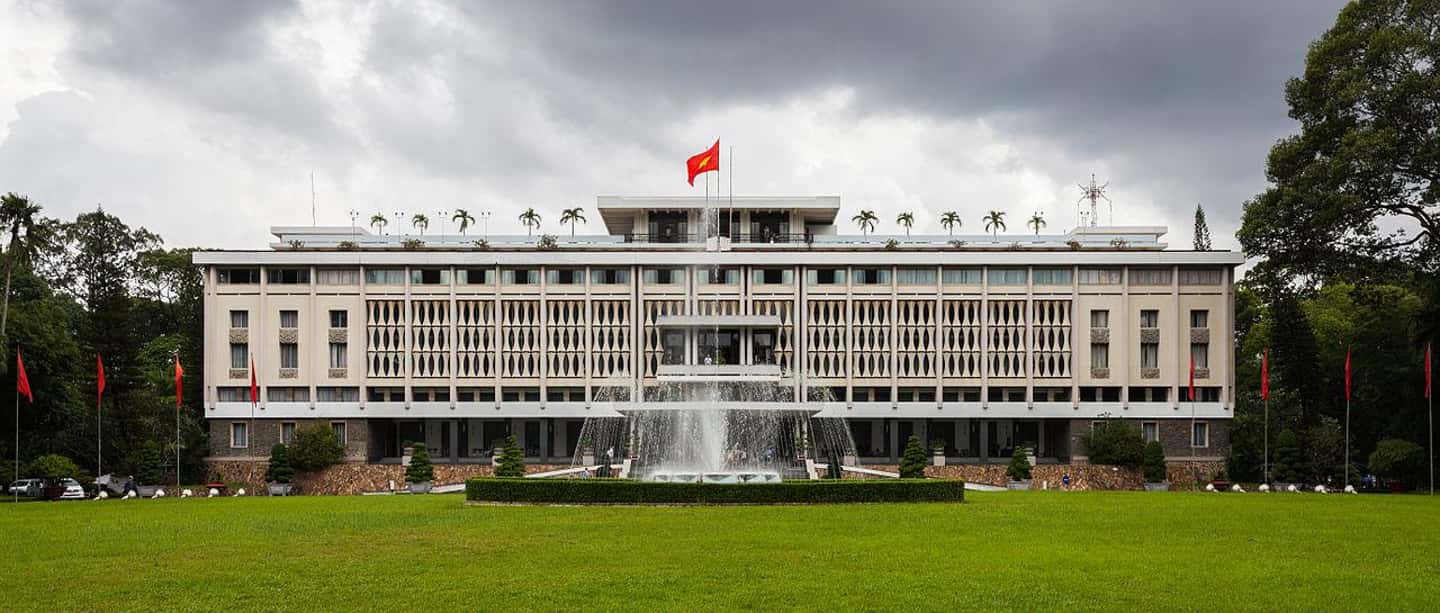
The morning highlights start with Independence Palace (Reunification Palace), usually around one hour. This place works best when you treat it like a time capsule. Even without a deep architecture degree, you’ll recognize the period feel—rooms designed for authority, with layout and decor that make the late-1960s era tangible. It’s the kind of stop that’s more than a photo: it helps you understand why this area matters in Vietnam’s modern story.
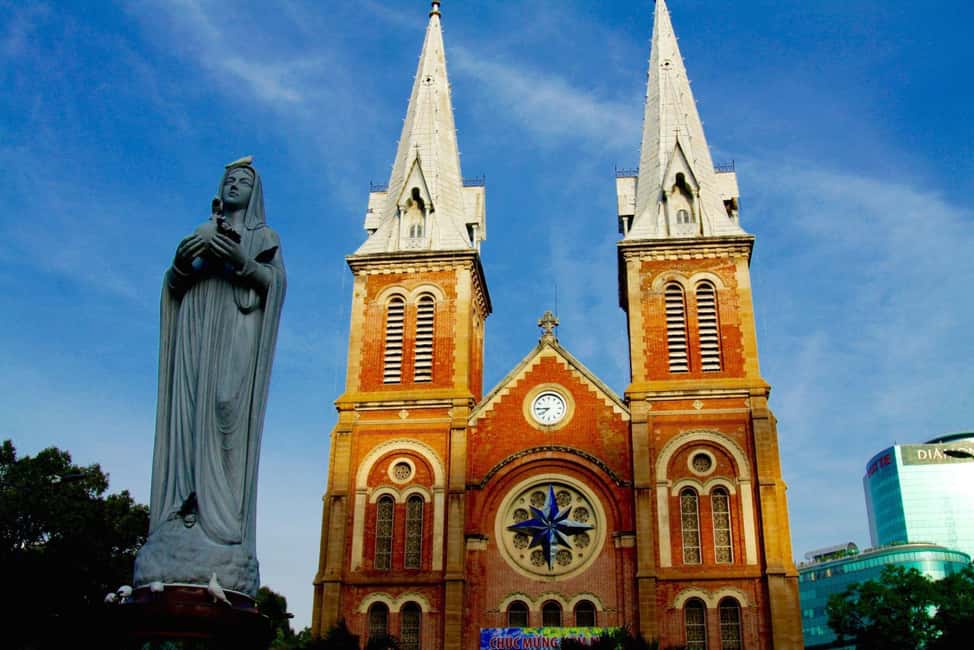
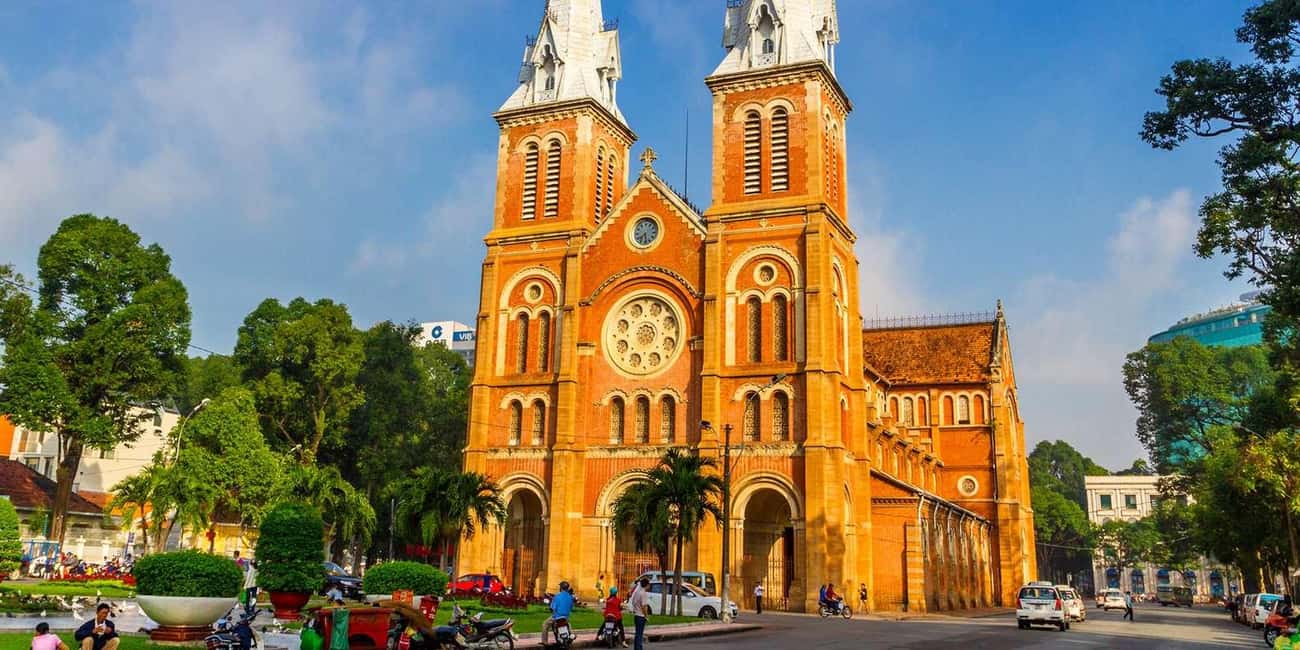
Next come two classic French colonial references: Notre Dame Cathedral and the Central Post Office. Notre Dame is listed as an outside visit because the interior is often under renovation. That means you’re there for the facade and the streetscape—good for photos, but not a full “walk inside and explore” experience.
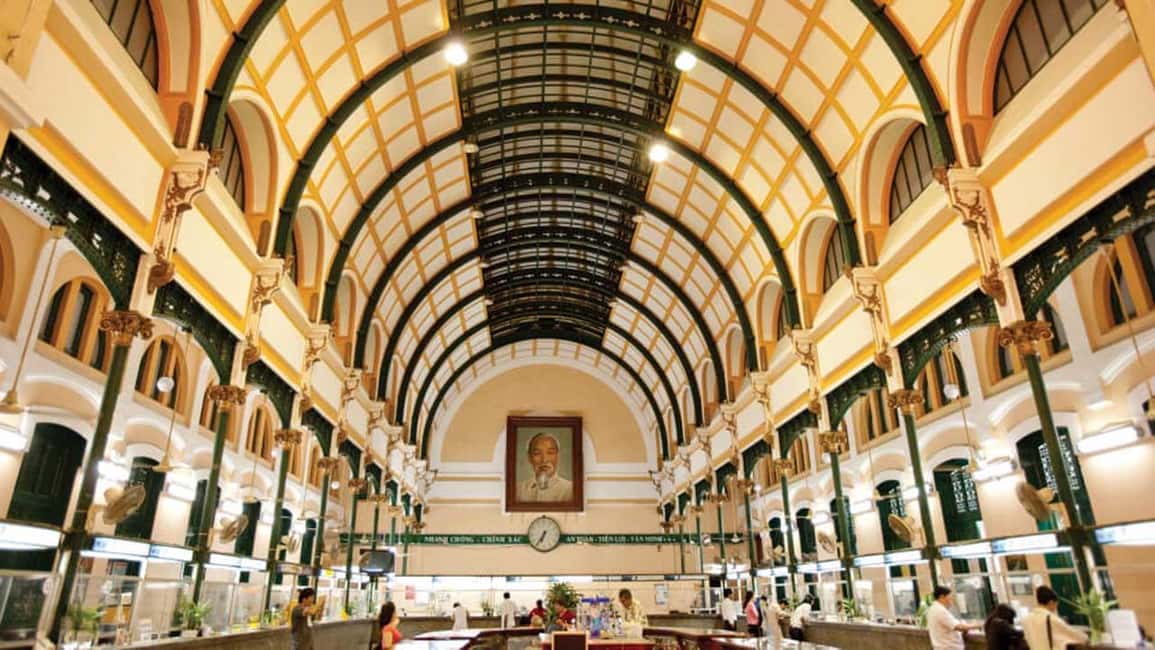
The Central Post Office is where the stop gets smarter. You get vaulted ceilings, and you’ll have a chance for photos plus a real look at old maps. This is one of those places where you can stand in the central hall and instantly picture how Saigon’s communication hub would have looked when it was the nerve center of the city.
If you want one takeaway: this stretch helps you see Saigon as layered—colonial planning, then later political transformation.
War Remnants Museum: what you’re really paying for
The War Remnants Museum is the emotional core of the morning option, typically about one hour. This isn’t a “check the box” museum. Exhibits are built to explain Vietnam’s recent history and the impact of war on people’s everyday lives. Even if you only have a short time slot, it’s the kind of visit where the guide’s framing changes your experience a lot.
Here’s how to get value in the one-hour format:
- Pay attention to how exhibits connect events to human consequences, not just dates.
- Don’t try to read everything. Pick a few sections and let the overall theme build.
- If your guide is strong, ask for 1–2 guiding questions early, like what the museum wants you to understand most.
One practical note from the kinds of issues people report with this tour style: sometimes museum narration can feel lighter than expected. So if you’re relying on the guide for context, ask them to point out what to focus on so the visit doesn’t become purely self-guided reading time.
Central Post Office photo stop: a small moment that helps the whole picture
The Central Post Office part of the route is listed as about 30 minutes, with both a photo stop and time inside. That short window can be enough—if you know what you’re looking for.
I like using this stop as a “visual checkpoint.” The cathedral looks grand and monumental; the post office looks functional but beautifully designed. Together, they help you understand the colonial urban plan: the city was built with power, religion, and logistics in mind.
Quick tip: bring your camera ready, but also slow down for a minute. The ceiling lines and interior layout make it easy to get good shots, but they’re also a reminder that this city was engineered for movement and administration.
Chinatown (Cholon) and Thien Hau Pagoda: incense, ceramics, and local life
The afternoon option shifts gears into local culture, starting with Cholon (Chinatown). You’ll spend time walking through shophouses, busy streets, and colorful markets. This is less about iconic architecture and more about atmosphere—what the neighborhood feels like in real daily life.
Then you head to Thien Hau Pagoda, which is dedicated to the Goddess of the Sea. If you like temples for more than just the big hall photo, this one rewards close attention. You’ll see incense coils and detailed ceramic decorations. It’s the kind of place where even a short visit gives you sensory memory: smoke, sound, and the sense that worship here is part of routine, not a staged performance.
One caution: Chinatown can be loud and crowded, and it’s easy to get “tour-walked” through if your group pace is fast. If that bothers you, do what I do—ask the guide to point out what’s important to notice in that particular block, then you’ll feel like you’re there on purpose.
You can also read our reviews of more tours and experiences in Ho Chi Minh City





Saigon Waterbus cruise: skyline views without the luxury price
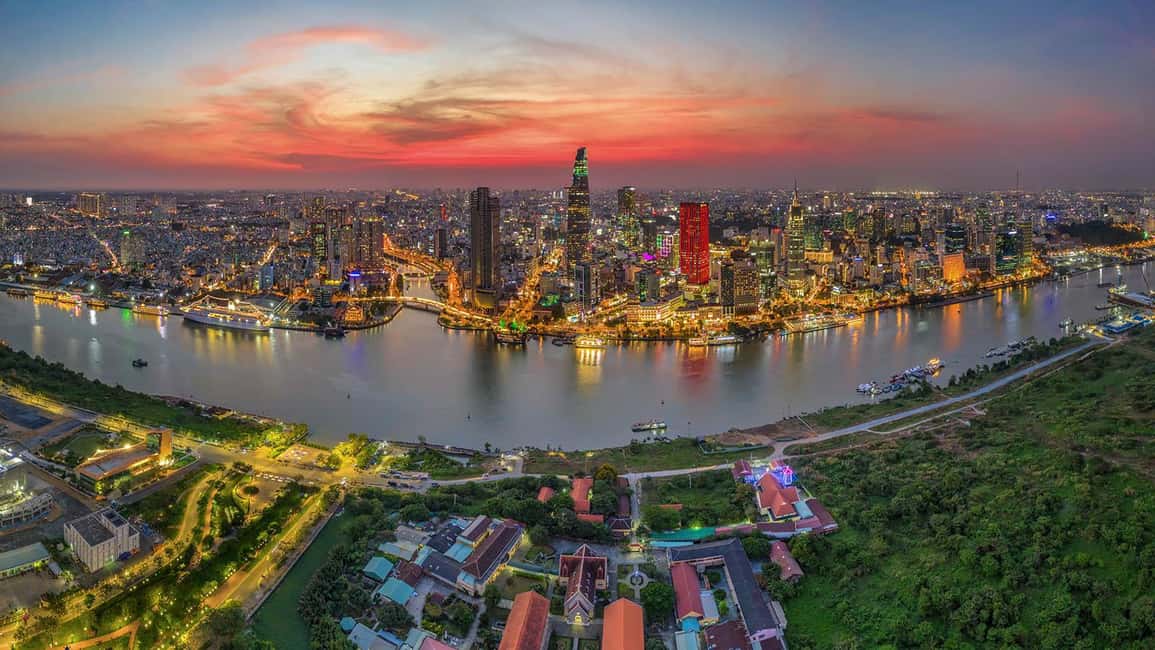
After Cholon and the pagoda, the tour takes you to Bach Dang Harbor and boards the Saigon Waterbus. This is a public boat used by locals, and the experience is described as comfortable but not luxury—think relaxed and scenic, not polished service.
As you cruise, you’ll see skyline and river landmarks such as:
- Vinhomes Central Park
- Landmark 81 tower
- Bitexco Financial Tower
- The greener riverside areas around Thu Duc / District 2
This is a great segment because it changes perspective. From land, Saigon’s skyline feels stacked and vertical; from the river, the city looks like it’s built along a long corridor of activity. You also get a calmer rhythm compared to walking streets and museum halls.
Value check: some people feel the river portion is a letdown for the price, mainly because it’s a public boat and the experience isn’t “extra.” If you treat it as a low-cost city view from the water, it works better.
Guide quality and language: the difference between a good tour and a smart day
You’re paying for more than transport. The tour includes a professional English-speaking guide. There are also other languages listed (Chinese, French, German, Italian, Japanese, Spanish), but if you choose a non-English guide, there can be a surcharge.
The reviews you might see for tours like this often boil down to one theme: English level and explanation style can swing the whole day. One person noted the guide’s English wasn’t strong compared with other operators they’d used, and another mentioned a guide who was very helpful and effective.
Here’s how to protect yourself:
- Ask your guide a question at the first major stop (Independence Palace).
- If you don’t feel you’re getting enough context, gently say what you want—war history explained more simply, architecture focus, or street-life context for Cholon.
- If you’re booking for a language other than English, confirm the exact language option you’ll receive.
A friendly guide helps, but clear commentary turns “a list of sites” into an understandable Saigon.
Value for $26: what’s included, what you’ll still spend on
At $26 per person, this tour is positioned as strong value for a full set of major sights in a short timeframe. The included basics are solid:
- Air-conditioned vehicle
- Entrance fees
- Bottled water
- Guide service
What’s not included:
- Drinks
- Any surcharge for non-English guides
So you’ll likely spend extra only on water/soft drinks if you want them beyond the bottled water. You might also want small cash for snacks if you’re hungry between stops, since the tour is designed around sightseeing windows more than meal breaks.
Where value gets tricky is in expectations. If you want a deeply unhurried, inside-everything experience at every stop, the outside-only Notre Dame and the “photo stop plus short visit” pacing may disappoint. If you want a well-organized sampler that makes your first day in Saigon make sense, it’s a good deal.
Which option should you pick: morning highlights vs river and Chinatown vs full day
Morning option (about 4 hours)
Best when you want history and big landmarks. You get Independence Palace, Notre Dame (outside), Central Post Office, and the War Remnants Museum. If it’s your first time in the city and you care about political context, this is the cleanest choice.
Afternoon option (about 5 hours)
Best when you’d rather spend more time in neighborhoods. You’ll hit Cholon, Thien Hau Pagoda, then see the skyline from the river by waterbus. Choose this if you like street life and temple details more than museums.
Full-day option (around 8 hours total)
This is the best choice if you want everything in one shot: morning history + French colonial stops, then afternoon Chinatown + pagoda + river views. It includes a break in the middle, which helps a long day feel manageable.
If you’re sensitive to walking or heat, don’t underestimate the full-day pacing. It can still work, but you’ll want comfortable shoes and a patient mindset.
Potential gotchas: renovation, outside-only views, and schedule shifts
A couple things can affect what you experience:
- Notre Dame interior may not be accessible. The itinerary is clear that the visit is often outside, so don’t plan your day around touring inside the cathedral.
- Museums and attractions can run on schedules that change. The tour notes opening times and local conditions can adjust timing.
- The water portion is a public boat ride. You’ll get skyline views, but it won’t feel like a private cruise.
Also, since the tour relies on pickup in District 1, where you’re staying matters. If your hotel is near the pickup route, everything feels smooth. If not, plan to meet where your guide directs you.
Should you book this Ho Chi Minh City tour?
I think this tour is worth booking if you’re in Saigon for a short visit and you want one day that connects the dots: political turning points, French colonial city design, Chinatown local life, and a skyline view from the river. The strengths are the pairing of Independence Palace with War Remnants Museum, plus the fact that the afternoon isn’t just “more monuments.”
I’d book with extra care if Notre Dame inside access matters a lot to you, or if you know you’re picky about guide narration quality. In that case, consider booking based on language match and arrive ready to ask questions early.
FAQ
How long is this Ho Chi Minh City tour?
It runs between 4 and 8 hours depending on whether you choose the morning, afternoon, or full-day option.
Where does pickup happen?
Pickup is from Ho Chi Minh City, District 1. Drop-off is also in District 1.
What time does the morning tour start?
The morning tour typically starts with pickup between 07:30 and 08:00.
What time does the afternoon tour start?
The afternoon tour typically starts with pickup between 12:30 and 13:00.
What attractions are included in the morning option?
You’ll visit Independence Palace, Notre Dame Cathedral (outside), Central Post Office, and the War Remnants Museum.
What attractions are included in the afternoon option?
You’ll explore Chinatown (Cholon), visit Thien Hau Pagoda, and take a Saigon Waterbus cruise from Bach Dang Harbor.
What’s included in the price?
Entrance fees, a professional guide, air-conditioned transport, and bottled water are included.
What isn’t included?
Drinks aren’t included, and there may be a surcharge for a non-English guide.
Is the Notre Dame interior visit included?
The visit is listed as outside, and the interior is often under renovation.
Is there a full-day option?
Yes. The full-day option combines both parts (morning history highlights and afternoon Chinatown/pagoda/river) with a break in between.
If you want, tell me your travel dates and whether you’re more into museums or street life, and I’ll suggest which option fits you best.