REVIEW · HO CHI MINH CITY
Ho Chi Minh City: Vietnamese Specialty Coffee Journey
Book on GetYourGuide →Operated by iO Coffee · Bookable on GetYourGuide
Coffee tastes better when you know the steps.
You get two drinks—a welcome coffee and a Phin coffee you brew yourself—plus hands-on work that explains what’s happening behind the cup. I like the farm-to-cup flow and how the class walks you through processing, roasting, and extraction instead of just serving coffee and moving on. The only real downside is that 2 hours is short, so this moves at a steady pace once the hands-on stations start.
If you’re curious about Vietnamese specialty coffee culture, this SCA-style Introduction to Coffee program at iO Coffee Phu My Hung is built for learning by doing. Instruction is available in English and Vietnamese, and the overall vibe is practical and friendly, based on multiple positive experiences with the team.
In This Review
- Key highlights to look for
- SCA-to-your-cup setup at iO Coffee Phu My Hung
- Green bean processing: cherries, three methods, and defect-spotting
- Hands-on roasting with 3 roast levels you can taste
- Cupping and tasting: multi-sensory practice, not random sips
- Brewing Vietnamese Phin coffee: a method you can repeat
- Why Fine Robusta shows up here (and why you should care)
- Price and value: $20 for more than two sips
- Who this coffee journey is perfect for
- Who might want a different coffee day
- Should you book this Ho Chi Minh specialty coffee journey?
- FAQ
- Where is the meeting point for the coffee journey?
- How long is the experience?
- What is the price per person?
- What drinks are included?
- Do I get to brew a cup of Phin coffee myself?
- What hands-on activities are included besides tasting?
- Does the program include cupping?
- What roast levels are part of the learning?
- What languages are offered?
- Is there free cancellation?
- Can I reserve and pay later?
Key highlights to look for
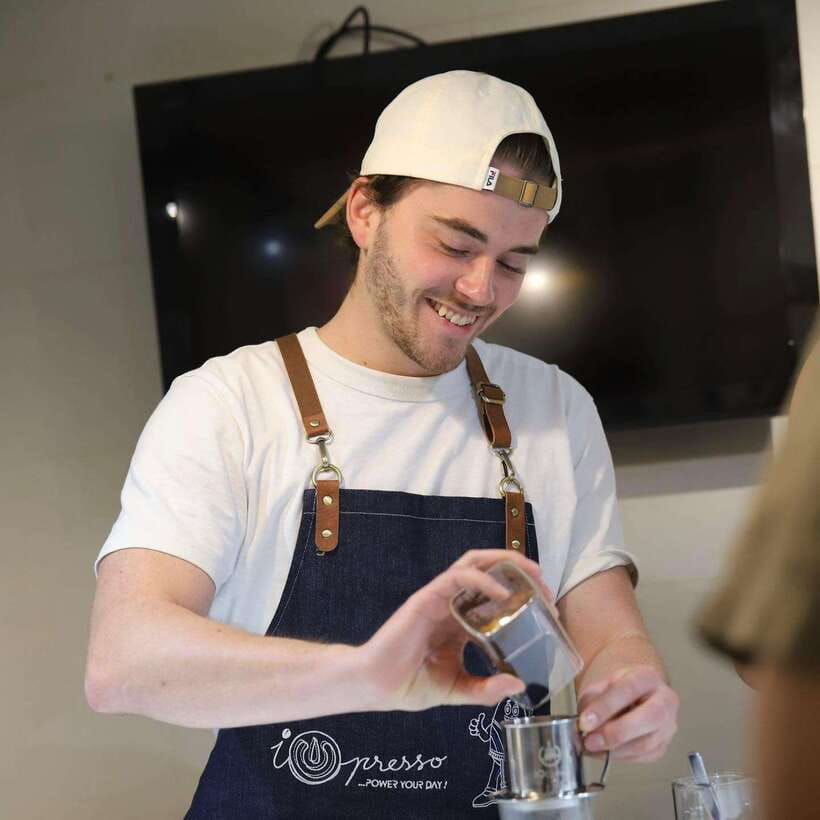
- Welcome drink plus your own Vietnamese Phin: you don’t just watch the coffee, you brew it.
- Hands-on green bean processing: you’ll work through sorting and processing concepts tied to real cherries and beans.
- Roasting practice at 3 roast levels: you compare how flavor shifts as roast changes.
- Cupping that trains your senses: multi-sensory tasting across different roast levels.
- You learn defect-spotting: you personally select green beans to remove defective ones.
- Fine Robusta meets traditional technique: Phin brewing is taught as a method to highlight Vietnamese character.
SCA-to-your-cup setup at iO Coffee Phu My Hung
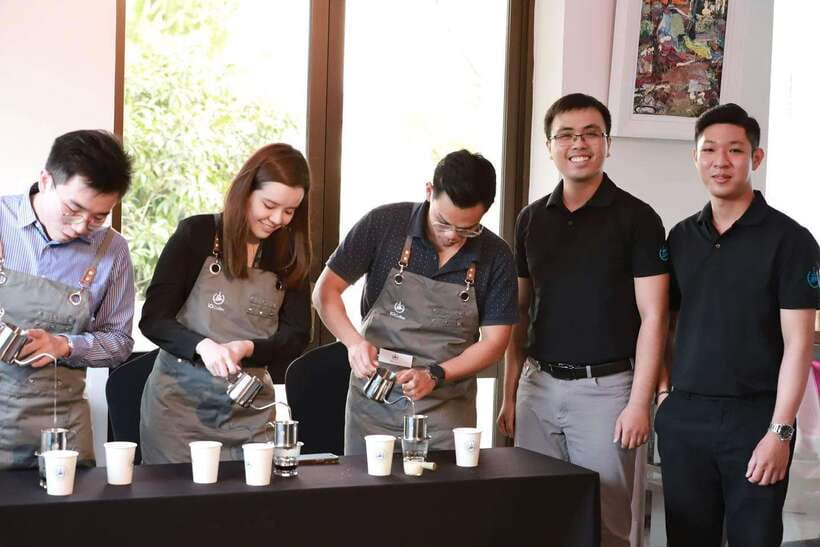
This is the kind of specialty coffee class that starts with a clear goal: help you understand coffee from green beans to the final cup, then let you practice the Vietnamese method that many locals actually use—Phin coffee.
You’ll meet at iO Coffee Phu My Hung at A 205, M7 Midtown. The whole experience runs 2 hours, with English and Vietnamese instruction available. That timing matters because it’s enough time to do multiple workshop-style stations, but not enough time to slow everything down for deep, lab-style experiments.
From the structure, you can expect an active class. You’ll handle coffee processing tasks, get hands-on with roasting, take part in tasting (including cupping), and finish by brewing your own Phin cup. If you prefer purely observational experiences, this one asks for participation.
What I like for your decision-making: the class isn’t only about drinking coffee. It’s about understanding variables—processing method, roast level, and brewing technique—so the cup you make at home makes more sense.
You can also read our reviews of more city tours in Ho Chi Minh City


Green bean processing: cherries, three methods, and defect-spotting
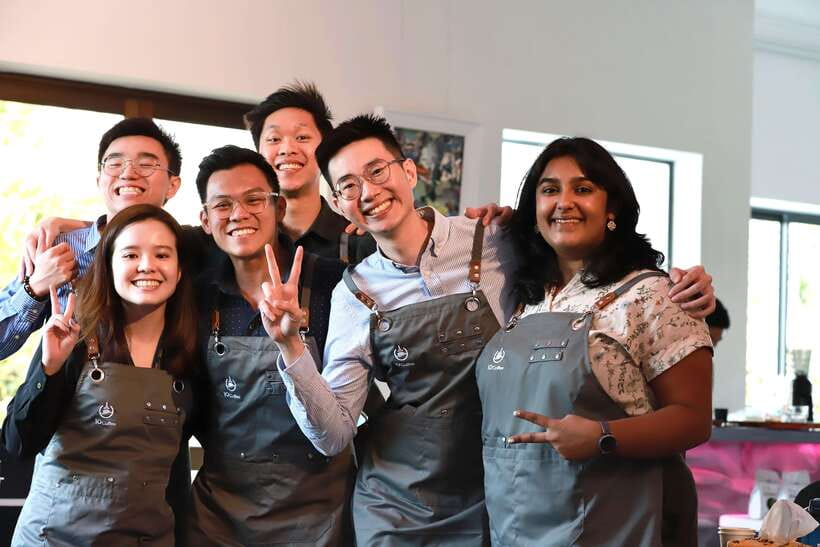
The first major phase focuses on the raw material. You start with coffee cherries and what makes ripe cherries ready for processing. Instead of treating beans as a mysterious product, this part helps you see the structure and the choices behind what becomes green coffee.
You’ll also learn about the harvesting flow and how beans get selected. The class includes a small-scale demonstration of three different coffee processing methods, which is a practical way to understand why coffee can taste different even when it comes from the same region. Processing changes what develops during drying and fermentation steps, and that later shows up in flavor.
Then comes one of the most memorable workshop moments: sorting and selecting green beans. The class teaches you how to tell when green beans are lower quality and to remove defective ones. I especially like this piece because it trains your eye for quality control, not just your palate. Even if you never roast coffee yourself, learning what “good” looks like helps you make smarter choices when buying beans later.
The best part for many people: you’re doing more than listening. Handling real materials makes the concepts stick, and it also gives you something tangible to remember long after you’ve left the café.
Hands-on roasting with 3 roast levels you can taste
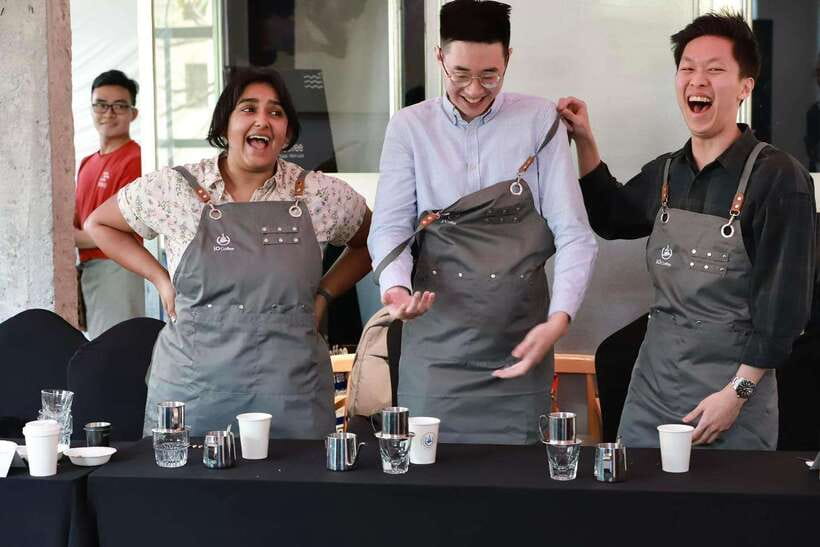
Next, you move into roasting. This isn’t a one-minute “watch the roaster” moment. You’ll experience hands-on coffee roasting and compare how different roasting levels shift flavor.
The class uses three roasting levels, and you’ll taste those differences later during the cupping segment. Roasting level is one of the fastest ways to change coffee taste, and this format helps you connect the smell and look of roasted coffee to what you’ll later perceive in the cup.
I like that the class frames roasting as preference-building rather than just “this is the right roast.” You’ll start noticing what styles you lean toward. Some people end up preferring lighter profiles for clarity. Others find deeper roasts match their Vietnamese coffee taste. Either way, you’re not guessing—you’re comparing.
Possible consideration: if you’re expecting a slow, detailed roasting lecture with tons of technical data, this is still a 2-hour intro format. It’s designed to teach through action, not to turn you into a full production roaster.
Cupping and tasting: multi-sensory practice, not random sips
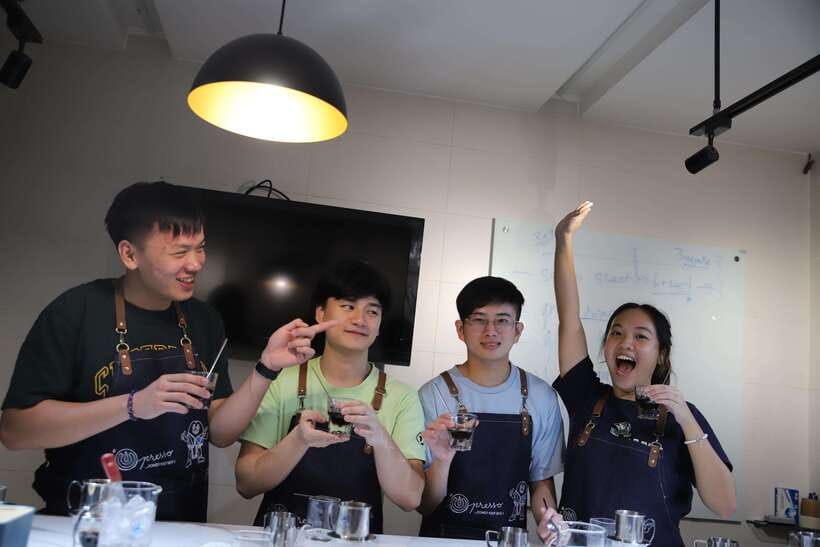
After roasting, the program shifts into tasting skills. You’ll take part in cupping, with a focus on exploring flavors through structured, multi-sensory tasting.
Cupping is one of those coffee skills that feels fancy until you realize it’s basically training your attention. You learn to pick up differences rather than just “liking” or “not liking” a cup. Because you also taste across multiple roast levels, you get direct comparison between how roast choices affect the final profile.
You’ll also taste coffee with different roast levels during this stage. That matters because your brain tends to remember the last thing you drink, not the series. This class structure helps you build a real reference point: what changes when roast changes.
If you care about ordering coffee in cafés afterward, cupping practice gives you a better handle on how to describe what you’re tasting. Even simple descriptions—lighter vs deeper, fruit-like vs nutty—become more precise because you trained the senses.
Brewing Vietnamese Phin coffee: a method you can repeat
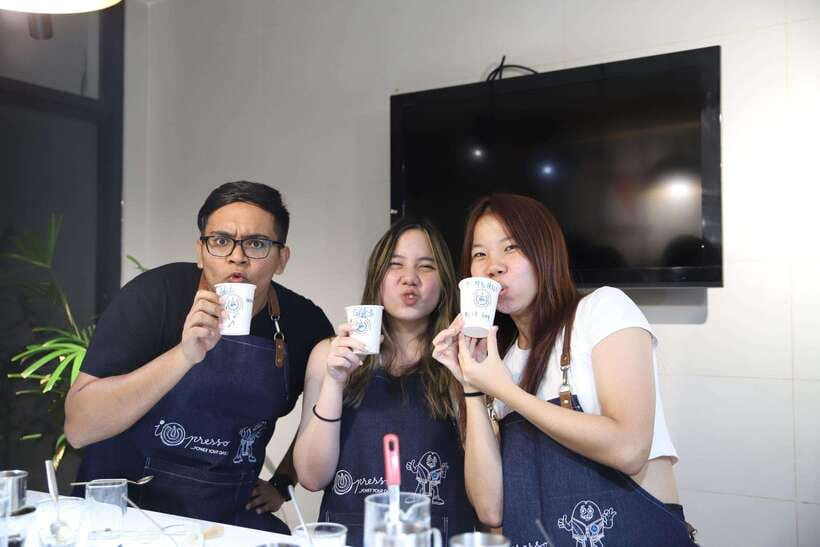
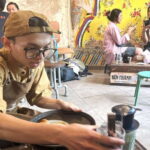
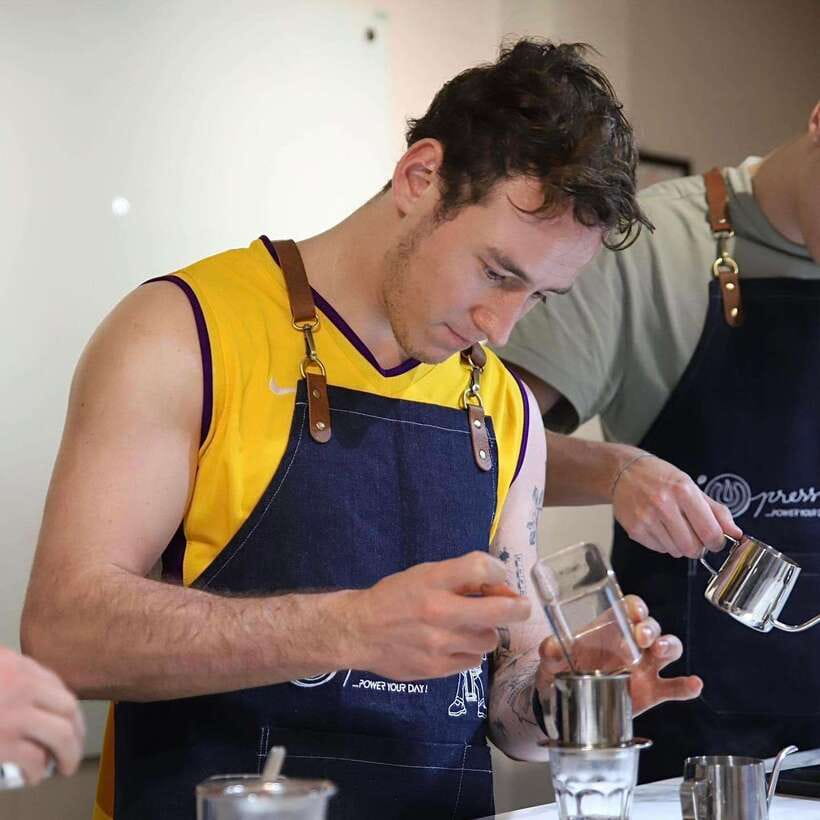
This is the part most people are excited about: the Vietnamese Phin coffee brewing workshop. The class includes context on the traditional method and then puts the process into your hands.
You’ll learn the history and technique of Phin coffee, then brew an authentic cup yourself. That “you brew it” piece is huge for value. Drinking a drink someone else prepared teaches you the end result. Brewing teaches you the controls—heat, flow, and timing.
The class specifically highlights Vietnamese fine character through Phin brewing with Fine Robusta coffee beans. Robusta isn’t just a backup choice; in Vietnam it often plays a central role in the coffee style people recognize as Vietnamese. In practical terms, that means you’re learning how to brew a bean type that’s common in local café culture, not only how to brew a style meant for export.
A helpful way to think about it: once you can brew Phin coffee yourself, your coffee days change. You’re not just ordering. You’re experimenting with method, and that’s what the whole course is trying to build.
You can also read our reviews of more tours and experiences in Ho Chi Minh City


Why Fine Robusta shows up here (and why you should care)
Vietnamese coffee culture often makes Robusta part of the story, especially when you want a cup with body and that familiar, slightly bold character. This class uses Fine Robusta as the ingredient focus for the Phin brewing lesson, so you learn the Vietnamese method with the coffee type that matches it.
I like that this avoids the common “coffee course” trap where everything revolves around one global flavor style. Here, the method is taught as Vietnamese technique, and the ingredient choice supports that.
You won’t leave thinking Robusta is only for one taste. You’ll leave thinking about how bean type and brewing method work together. That’s the practical takeaway that helps you choose coffee and equipment later without feeling lost.
Price and value: $20 for more than two sips
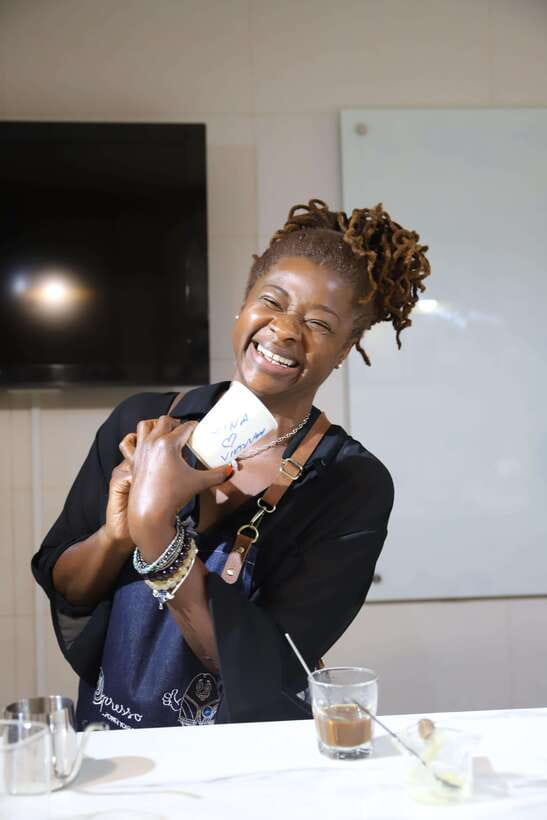
At $20 per person for a 2-hour class, the value comes from what’s included, not just the price tag. You’re not paying for a short tasting only. You get:
- a welcome drink
- Phin coffee you brew yourself
- hands-on work in green bean processing
- hands-on roasting with 3 roast levels
- tasting and cupping
- brewing practice tied to Vietnamese Phin technique and Fine Robusta beans
For a city experience in Ho Chi Minh City, that’s a lot of structured learning squeezed into two hours. The course also has an SCA Introduction to Coffee program structure, which usually means the teaching is designed to cover foundational steps in a coherent order.
Could it be a lot? Yes, if you’re the type who wants only one activity, like just tasting. But if you like coffee and want to understand it faster, this is a strong deal. You’re basically buying a guided, hands-on pathway you’d otherwise piece together by watching videos, buying equipment, and experimenting blindly.
Who this coffee journey is perfect for
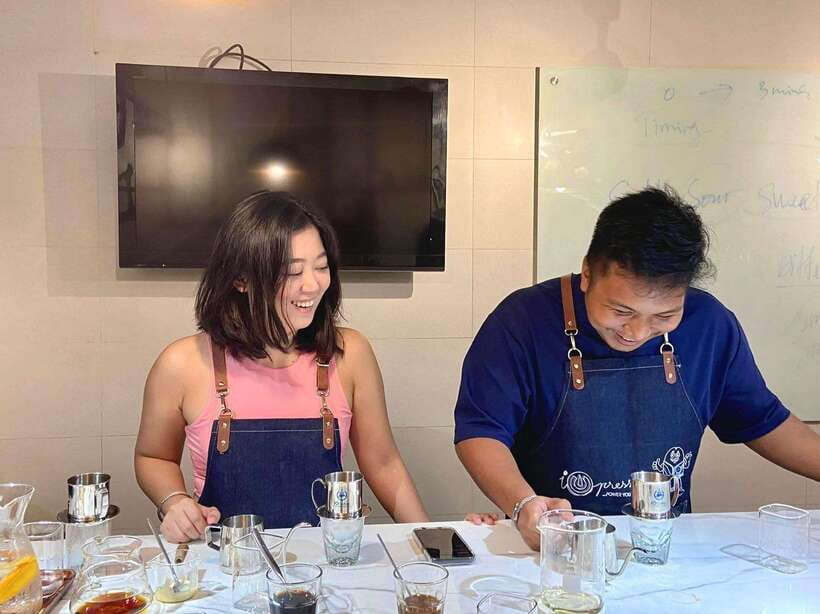
This workshop suits people who want a practical coffee education in a short time. If you enjoy tactile learning—sorting beans, roasting, smelling and tasting with purpose—you’ll get a lot out of it.
It also works well if you’re traveling in a group with mixed coffee interest. The structure gives coffee nerds plenty to do, while first-timers still get the full experience through guided brewing practice.
If you’re a total beginner, you won’t be stranded. The program includes instruction in English and Vietnamese, and the activities move step-by-step from processing to roasting to tasting to brewing.
Who might want a different coffee day
If you’re looking for a long, sit-and-talk coffee lecture, this may feel too active. The class packs multiple stations into 2 hours, so there isn’t much time for extended questions at every step.
Also, if you already roast at home and want heavy technical detail, this may feel like an introduction rather than advanced training. It’s designed to teach foundations and help you understand what changes flavor.
Still, even for experienced coffee fans, the Phin brewing portion can be a valuable skill you won’t get from typical “espresso-only” classes.
Should you book this Ho Chi Minh specialty coffee journey?
If you want a coffee experience that’s hands-on, structured, and repeatable at home, I think this is a strong booking. You’ll learn the logic behind coffee flavor—processing choices, roast levels, and brewing technique—and you’ll finish by making a Phin cup yourself.
Book it if:
- you like learning by doing
- you want Vietnamese technique, not just generic coffee education
- you want a clear farm-to-cup story you can remember
Skip it if:
- you hate hands-on tasks and prefer only tasting
- you want a slow-paced experience with lots of free time
Given the mix of processing + roasting + cupping + Phin brewing in a single 2-hour program, $20 feels like fair value for a real skill-building morning or afternoon stop in Ho Chi Minh City.
FAQ
Where is the meeting point for the coffee journey?
You meet at iO Coffee Phu My Hung: A 205, M7 Midtown.
How long is the experience?
The duration is 2 hours.
What is the price per person?
The price is $20 per person.
What drinks are included?
You get a welcome drink and you will brew and drink Vietnamese Phin coffee.
Do I get to brew a cup of Phin coffee myself?
Yes. The experience includes an opportunity to brew your own cup of Vietnamese Phin coffee.
What hands-on activities are included besides tasting?
You can take part in green bean processing, hands-on coffee roasting, and brewing.
Does the program include cupping?
Yes. There is a cupping and tasting session that includes tasting across different roast levels.
What roast levels are part of the learning?
The roasting practice uses 3 roasting levels, and those are also included in tasting.
What languages are offered?
Instruction is available in English and Vietnamese.
Is there free cancellation?
Yes. Free cancellation is available up to 24 hours in advance for a full refund.
Can I reserve and pay later?
Yes. You can reserve now and pay later, with no payment required today.
If you tell me your travel dates and whether you’re more into roasting, tasting, or brewing, I can help you pick the best time window for this class in Ho Chi Minh City.