REVIEW · HO CHI MINH CITY
Cu Chi Tunnels and Mekong Delta Full Day Tour
Book on GetYourGuide →Operated by GUU TRAVEL · Bookable on GetYourGuide
Cu Chi tunnels feel like a time machine. One day strings together war underground and Southern Vietnam life above ground. I like that the Cu Chi part isn’t just a quick stop; you watch a short documentary, see how people hid and lived underground, and then you literally crawl through the tunnels.
I also like how the Mekong half balances history with everyday rhythm: Don ca tai tu folk music, tropical fruit tasting, and a slow ride on a hand-rowing sapan. The one drawback to weigh is that the tunnel crawl and the optional rifle shooting can add stress for some people, and rifle bullets cost extra.
In This Review
- Key highlights to plan around
- A full-day combo that actually makes sense
- Cu Chi Tunnels: more than a set of holes
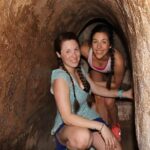
- The crawl: the point of the experience
- Optional rifle range: controlled, supervised, and extra-cost
- Wartime snack and the small details that help you remember
- Mekong Delta: green canals, fruit, and folk music with UNESCO cred
- Tastes you can’t snack your way through later
- Tien River cruise and the mythical islets
- Hand-rowing sapan and the countryside pace
- Comfort and group size: why the small details matter
- Price and value: what you’re really paying for
- Who this tour suits best (and who should rethink it)
- Should you book this Cu Chi Tunnels and Mekong Delta tour?
- FAQ
- What is included in the tour price?
- Is the rifle shooting included?
- Where does pick-up and drop-off happen?
- How long is the tour and do start times vary?
- Is lunch included, and what kind of food is it?
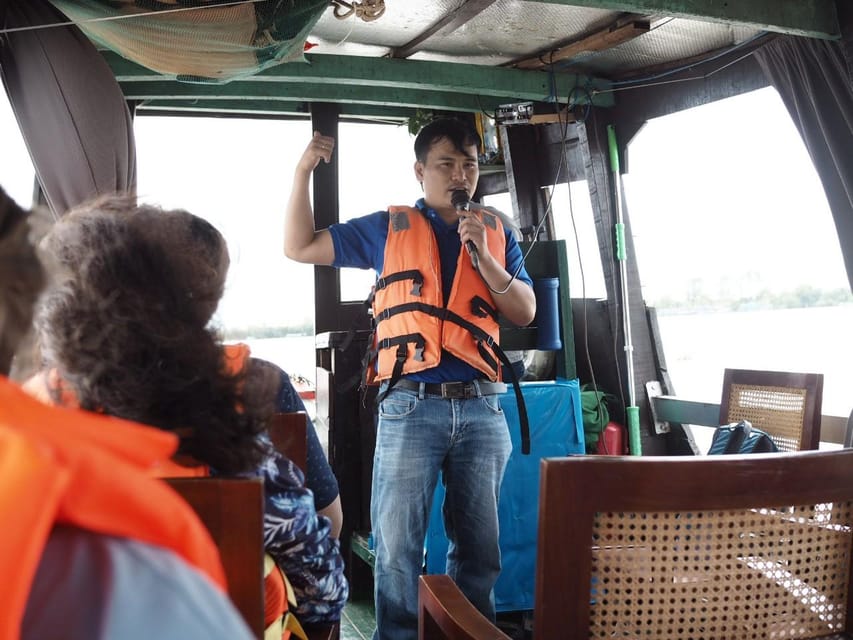
- Will I get an English-speaking guide?
- What payment and cancellation options are offered?
Key highlights to plan around
- Crawl through hand-dug tunnels from an underground network over 250 km long
- Optional AK47 or MK16 shooting in a supervised area, with extra bullet costs
- Wartime-style snack: boiled tapioca with hot pandan tea at Cu Chi
- Don ca tai tu Southern folk music, recognized by UNESCO as Intangible Cultural Heritage
- Tien River cruise plus a visit to Kirin islet among four mythical animal islets
- Hand-rowing sapan to slow down and see canals the local way
A full-day combo that actually makes sense
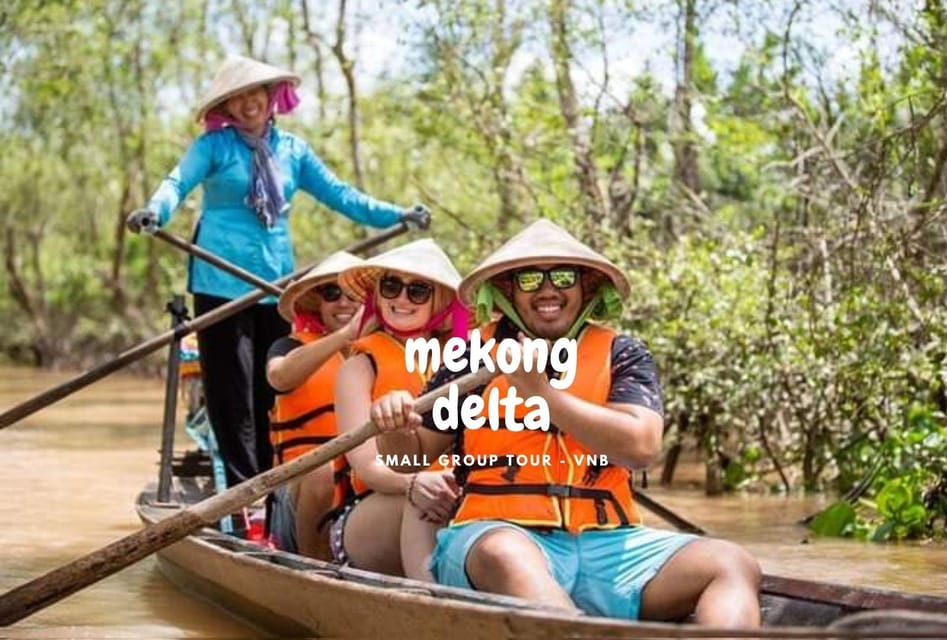
This is a classic two-attractions day for Ho Chi Minh City, but the pairing isn’t random. Cu Chi shows how the war reshaped daily life, then the Mekong Delta shows how Southern Vietnam carries on with gardens, canals, folk music, and food.
What makes this tour work for many schedules is the compact setup. You get an AC car ride with a small group size (up to 10 people), plus an English-speaking guide, plus entrance fees and lunch built in. For about $50 per person, that’s easier than trying to piece together two separate half-days on your own.
The day also has small built-in breaks that keep it from feeling like a sprint. You stop for a documentary and a simple wartime snack at Cu Chi, then you have lunch at a Riverside restaurant during the Mekong segment, followed by more canal-and-countryside experiences.
You can also read our reviews of more tours and experiences in Ho Chi Minh City
Cu Chi Tunnels: more than a set of holes
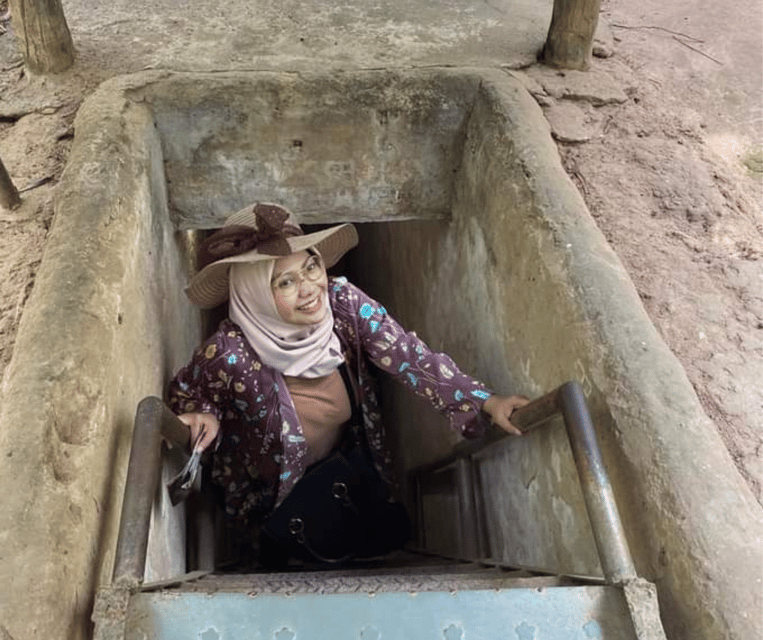
Cu Chi is famous for a reason. The tunnel system stretches more than 250 km, and it was more than a hiding place. You’ll see how the network functioned as a safe haven for long-term living, including smoke-free kitchens, storage and workshops, weapon factories, healthcare rooms, meeting rooms, and command centers.
You also learn the “human scale” of it. The system connects with thousands of tiny warming houses where people could live, raise children, and even get married. That’s the part I find hits hardest, because it reframes the tunnels from a movie prop into a functioning world.
Your visit starts with a short documentary film about Cu Chi during the war. The film is offered in many foreign languages, which matters because the better you understand the context, the more the tunnel details make sense.
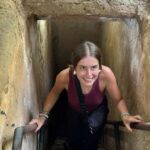
Then you move on to the tunnels themselves. You’ll cover how people used ingenious camouflage methods to hide entrances and how the network connected areas above and below ground. After that, the hands-on moment comes: you crawl through narrow tunnels made by hand.
The crawl: the point of the experience
The crawl is the main reason this stop feels real instead of just educational. It’s also the part that can test you, because the tunnels are narrow by design.
If you’re the type who gets anxious in tight spaces, treat this as a decision point. You’re not watching from a safe distance; you’re physically doing it. On the other hand, if you like hands-on learning, this is where the guide’s storytelling becomes tangible.
Optional rifle range: controlled, supervised, and extra-cost
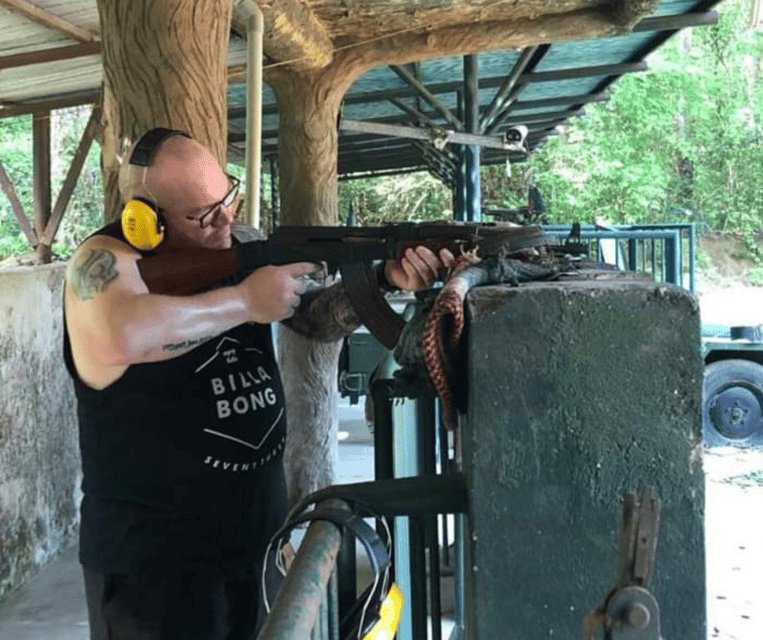
Cu Chi also offers a shooting experience in a supervised area. You can try shooting with AK47 or MK16 rifles, and it’s listed as optional with extra cost.
If you’re considering it, budget a bit beyond the base tour price. The bullet fee is listed at around $2 per piece. The tour itself handles the logistics, but the actual shooting ammo cost comes separately.
The benefit of including this option in a guided tour is simple: you’re not left figuring out where to go or how the range works. It also reduces the chance you end up in an unsupervised or unclear situation.
Just remember what this is. It’s a tightly managed add-on at a war site. If you prefer to keep things strictly cultural and historical, you can skip the range and still get the core Cu Chi experience: documentary, tunnel network, trap concepts, and the wartime snack.
Wartime snack and the small details that help you remember
One of the most practical parts of Cu Chi is the light snack and drink included in the tour. You’ll taste boiled tapioca with hot pandan tea, the dish locals ate during wartime.
This is a small moment, but it does a lot. Food connects history to daily life in a way that museum labels don’t. When you’re later in a canal-and-countryside rhythm in the Mekong Delta, you’ll notice how the day keeps shifting between survival and routine.
You’ll also see more of the “workings” of the tunnels, including information about history, weapons, and damaged self-construct traps. The goal here isn’t shock. It’s context: why the tunnels were built the way they were and how people tried to stay alive.
Mekong Delta: green canals, fruit, and folk music with UNESCO cred
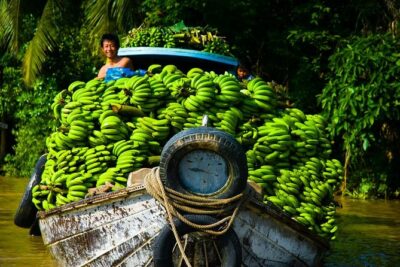
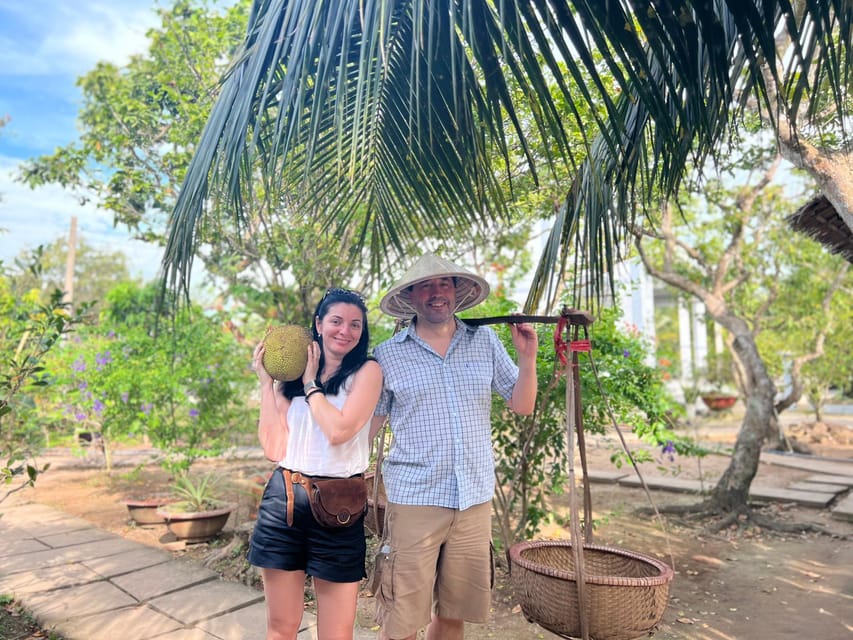
After Cu Chi, the Mekong Delta segment changes the whole mood. You’ll see rice fields, ducks and buffalo alongside the roads, plus nipa palm canals, coconut areas, and orchard gardens.
This part of the day is built around real Southern agriculture and local culture, not just scenic cruising. You’ll get a mix of water time, village walks, and taste-based activities.
One of the cultural anchors is Don ca tai tu (Southern folk music). It’s recognized by UNESCO as Intangible Cultural Heritage of Humanity. On this tour, you get to enjoy the art as part of the experience, not just as background noise.
Tastes you can’t snack your way through later
The Mekong Delta portion includes tropical fruit tasting at a local market. It also includes local-made candy tasting. These are the kinds of small stops that are easy to overlook if you only focus on the biggest landmarks.
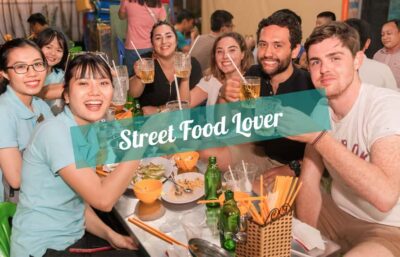
And lunch is a highlight of the day. You’ll eat at a Riverside restaurant with Mekong specialties such as deep-fried giant gourami, spring rolls, and a giant fried sticky rice ball. Bottled water is included too.
The value here is that lunch is planned inside the tour. Instead of hunting for a place that matches your timing, you’re fed on schedule, and the menu reflects the Delta’s food identity.
Tien River cruise and the mythical islets
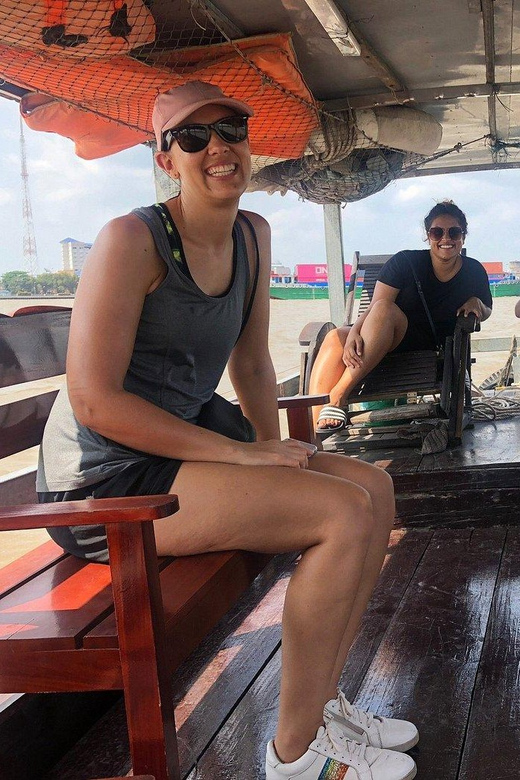
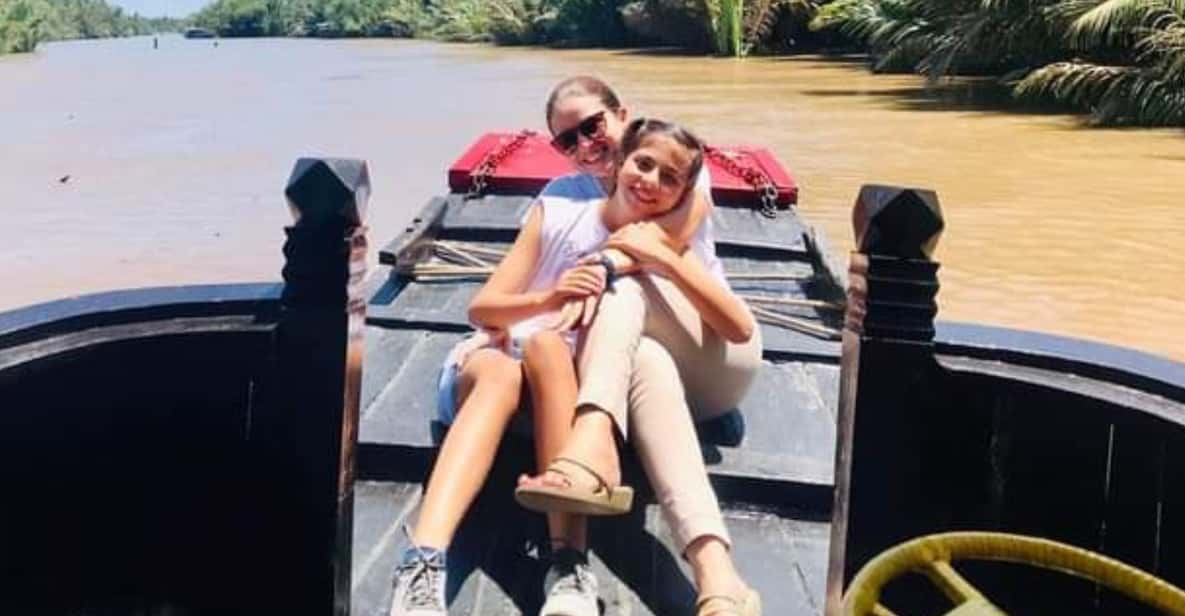
A big Mekong Delta moment on this itinerary is a cruise on the Tien River. You’ll see the fisherman’s ports and four islets represented by four mythical animals in Southeast Asia: Dragon, Kirin, Tortoise, and Phoenix.
Then you visit Kirin islet, which is singled out as the main activity stop. Even if you’ve heard the legends before, visiting one of the islets in person makes the story feel closer to place and not just a fun fact.
Cruise time also gives you a breather. After the intensity of the tunnel crawl, sitting and watching the water edges glide by can feel like your mind unclenching.
Hand-rowing sapan and the countryside pace
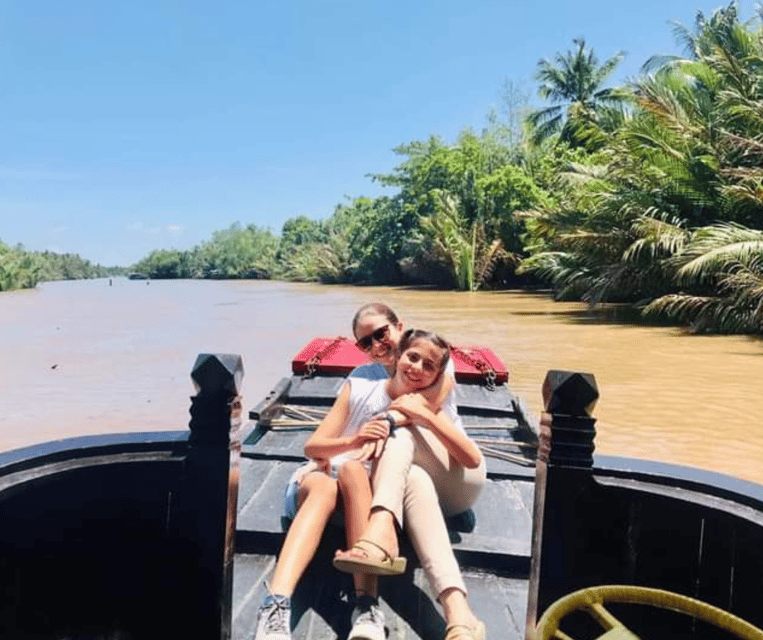
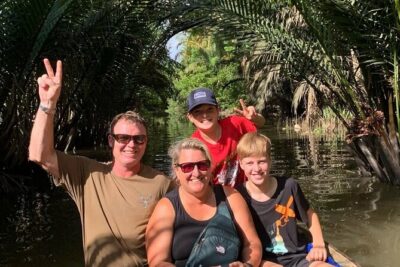
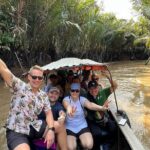
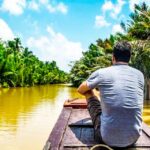
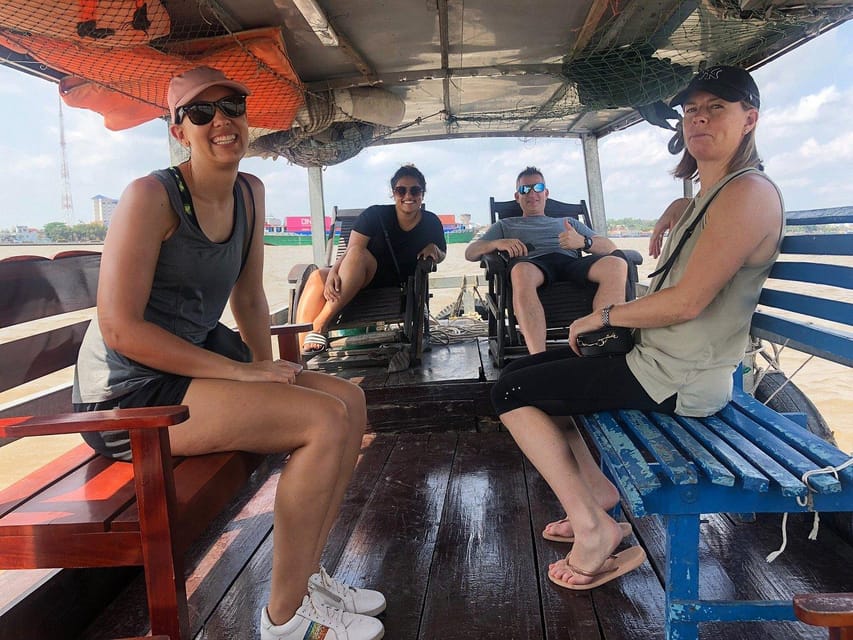
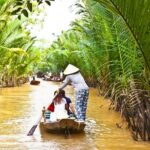
The tour also includes a traditional ride on a hand-rowing sapan. This is one of those experiences that’s less about “speed” and more about rhythm. You’re out in the canal world with a slower pace that fits the Delta.
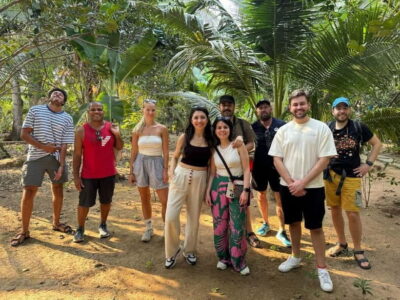
You’ll also hop on a tuktuk as part of the Delta activities, then relax on the sapan, and take a short walk through a quiet village. The point isn’t to rush through photo stops. It’s to feel what a countryside break looks like when it’s built around canals and gardens.
This portion works especially well if you like observing how people live day to day, even when you’re only seeing it for a few hours.
Comfort and group size: why the small details matter
The tour uses a good quality AC car, with seating designed for a maximum of 10 people. In practice, that matters because smaller groups tend to move smoothly between stops and make it easier for the guide to keep everyone together.
You also get free pick-up and drop-off in Ho Chi Minh City districts 1, 3, and 4. For other districts, there’s a surcharge of $8 for the group for two ways. This is worth paying attention to if you’re staying outside those areas, since it changes your true all-in cost.
Pick-up starts about 30 to 60 minutes before the tour start time, with the exact pickup time provided upon reconfirmation. If you like to plan tightly, treat this as a heads-up to stay flexible that morning.
Price and value: what you’re really paying for
On paper, the price is $50 per person. What you actually get at that price is a full package: AC car, English guide, entrance fees, lunch at the Riverside restaurant, bottled water, a light snack at Cu Chi, and tropical fruits at a local market.
The extra costs are limited and defined. The only specific add-on costs mentioned are bullets for the optional shooting experience, and any pickup surcharge if you’re outside the listed districts.
So the value angle is strong if you want a curated, guided one-day loop. If you’re comfortable self-arranging transportation and tickets, you might save a little by going DIY. But most people choose tours here because they want the history context and the schedule to work without hassle.
Who this tour suits best (and who should rethink it)
This tour fits well if you want one day that covers both extremes: the underground side of war history in Cu Chi and the everyday Southern Vietnam mood of the Mekong Delta.
It also fits travelers who like guided structure. You’ll watch a documentary, get explanations at the tunnels, and then move through Mekong experiences that are cultural and food-based, not just scenic.
You might want to rethink the Cu Chi crawl if you strongly dislike tight spaces. You might also skip the rifle shooting if it’s not your style. The core tour still delivers with the documentary, tunnel network learning, and the Mekong half.
Should you book this Cu Chi Tunnels and Mekong Delta tour?
Book it if you want a well-organized day that links war history with the Mekong’s living culture. You’re getting small-group comfort, a guided English-speaking explanation, lunch included, and concrete experiences like the tunnel crawl and the hand-rowing sapan.
Don’t book it if you’re looking for a relaxed, no-intensity itinerary. This day includes a crawl through narrow tunnels, and there’s an optional shooting add-on if you want it.
If your priority is value and authenticity in Southern Vietnam—plus a smooth day plan—this is a solid choice.
FAQ
What is included in the tour price?
The tour includes AC car transport (max 10 people), free pick-up and drop-off in District 1, 3, and 4, an English-speaking guide, entrance fees, lunch at Riverside restaurant with bottled water, a light snack with tapioca and tea at Cu Chi, and tropical fruits at a local market.
Is the rifle shooting included?
No. Rifle shooting with AK47 or MK16 is optional, and bullets have an extra fee at the shooting range (about $2 per piece).
Where does pick-up and drop-off happen?
Free pick-up and drop-off is available from hotels in Ho Chi Minh City districts 1, 3, and 4. Other districts require a surcharge of $8 for the group for two ways.
How long is the tour and do start times vary?
It’s a full day (1 day). Start times vary, so you’ll need to check availability to see the specific starting times.
Is lunch included, and what kind of food is it?
Yes. Lunch is included at a Riverside restaurant, with Mekong specialties such as deep-fried giant gourami, spring rolls, and giant fried sticky rice ball.
Will I get an English-speaking guide?
Yes. The tour includes a professional English-speaking tour guide.
What payment and cancellation options are offered?
You can reserve and pay later, and you can cancel up to 24 hours in advance for a full refund.