REVIEW · HO CHI MINH CITY
Cu Chi Tunnels Guided Tour – Explore Vietnam War History
Book on Viator →Operated by HAPPY PLUS TRAVEL · Bookable on Viator
Underground war stories start above Saigon. This Cu Chi Tunnels tour is interesting because it mixes a guided look at Vietnam War-era underground life with real-world details you can actually picture, from kitchens to command areas. I especially like the AC car comfort and the fact that the guide team (including names like Mr Le and Jacky Hieu) keeps the explanations clear and human. You’ll also get a break with tea and tapioca, the kind of simple wartime food the tour highlights.
One thing to consider: this is a long outing, about 6 to 7 hours, and the subject matter is intense, so it’s not a quick, carefree stop. If you’re tempted by the optional shooting range, you’ll need extra cash since the bullet fee is not included.
In This Review
- Key Things to Know
- Cu Chi Tunnels From Ho Chi Minh City: 60km, 1.5 Hours Each Way
- Pickup, AC Comfort, and an English-Friendly Guide Who Speaks Human
- Arrival Film and First Look: How the Day Gets Context Before the Tunnels
- Living Areas, Field Hospitals, and Command Centers You Can Picture
- Trap Doors, Hidden Passages, and Why the Maze Was Designed That Way
- Rice Paper Workshop: A Culture Stop That Doesn’t Feel Like Filler
- Optional Shooting Range: Budget Extra If You Want It
- How the 6 to 7 Hours Usually Feels: A Full Day, Not a Quick Hit
- Price and Value: Why $23 Can Make Sense Here
- Private Tour Setup: Only Your Group, Clearer Attention
- Who Should Book This Cu Chi Tunnels Guided Tour?
- Should You Book Happy Plus Travel for Cu Chi Tunnels?
- FAQ
- How long is the Cu Chi Tunnels guided tour?
- How far is Cu Chi from Ho Chi Minh City?
- Do you offer hotel pickup and drop-off?
- Is entrance to the Cu Chi Tunnels included?
- Does the tour include food?
- Is the tour guided in English?
- Is this a private tour?
- Where does the tour start and end?
- Is the shooting range fee included?
- What’s the cancellation policy?
Key Things to Know
- Hotel pickup in central Saigon saves time and lets you start the day without fuss.
- A documentary film on arrival sets context before you walk the tunnel sections.
- War-era spaces mapped for you include kitchens, bedrooms, storage, field hospitals, and command centers.
- Trap doors and dangerous traps are explained as part of how the tunnel network worked.
- Rice paper workshop + tea and tapioca adds a food-and-culture moment to balance the heavier parts.
Cu Chi Tunnels From Ho Chi Minh City: 60km, 1.5 Hours Each Way
The Cu Chi Tunnels day trip starts with a straightforward logistics truth: you’re doing a real drive out of Ho Chi Minh City. The ride to the tunnels is listed at about 60km and roughly 1.5 hours, so you’re trading part of your day for the payoff of seeing one of Vietnam’s most discussed war sites up close.
I like that the tour doesn’t pretend it’s a short walk from town. You go, you watch, you learn, you eat something simple, and you come back with a full picture of what life underground meant. That makes it a solid choice for first-time visitors who want one strong history outing instead of trying to cram too many stops.
You can also read our reviews of more guided tours in Ho Chi Minh City



Pickup, AC Comfort, and an English-Friendly Guide Who Speaks Human
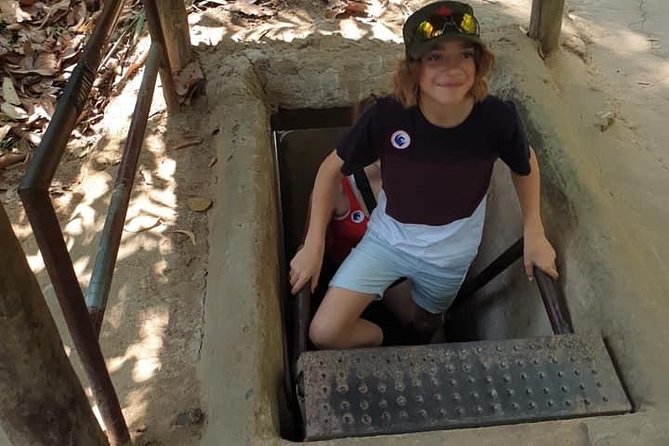
Pickup and drop-off are part of the deal, with service in the center of Saigon. You’ll ride in a good quality AC car, which matters because a tunnel tour is already a lot on the senses—heat and humidity are not your friend on a long day.
What really elevates this tour is the guide style. The guide lineup is frequently praised for being warm, friendly, and energetic, with standout names like Mr Le, James, and Jacky Hieu showing up repeatedly in the feedback. In practical terms, that usually means you’re not stuck with a dry lecture. You get explanations on the drive and during the tour, plus steady help in English so you’re following what you see instead of guessing.
Also, you’ll be taken care of with bottled water and a snack later on. Little comfort items sound minor until you’re in a 6–7 hour plan and you realize you never had to hunt for anything.
Arrival Film and First Look: How the Day Gets Context Before the Tunnels
When you arrive, the tour includes a documentary film. I like this approach because it helps you build a mental map before you step into the underground spaces. Without that setup, tunnels can feel like a maze with no story. With the briefing, the maze turns into a system.
Right after the film, the tour moves into the practical parts of life underground: constructed living areas and the functions those spaces served. You’ll see how the underground world was organized to meet basic needs, not just how the tunnels were built.
This part works best if you go with curiosity and a calm pace. The setting is built to teach, but you’ll understand it more if you take your time and let the guide connect the dots between what you see and why it mattered.
Living Areas, Field Hospitals, and Command Centers You Can Picture

The tour’s tunnel walk is structured around real components of the underground life people relied on. You’ll discover special constructed living areas such as kitchens, bedrooms, and storage, along with facilities connected to survival during wartime.
What I find useful here is that the tour doesn’t focus only on violence. It spends time on the everyday stuff: how people ate, slept, kept supplies, and continued operating under pressure. Then it adds the heavier elements like weapons factories, field hospitals, and command centers, so you get a more complete picture of what the tunnel system supported.
That balance is important. The site is historical and serious, but your understanding becomes sharper when you see the range—daily routine on one end, strategic operations on the other.
Trap Doors, Hidden Passages, and Why the Maze Was Designed That Way
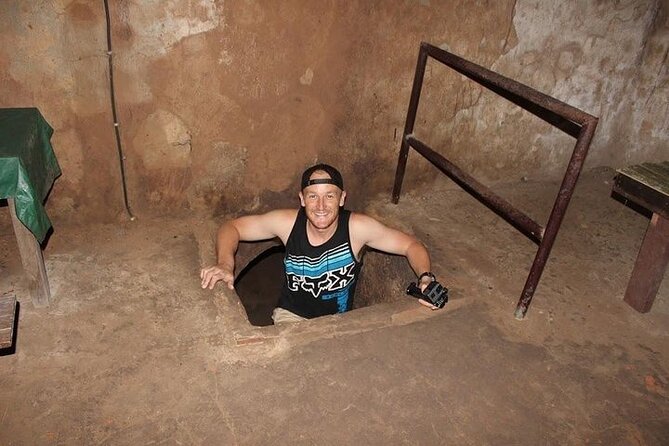
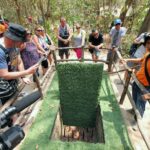
One of the standout elements is the focus on hidden trap doors and dangerous traps within the maze-like tunnels. The tour doesn’t just point at features; it teaches you what those features were meant to do and why they helped people stay alive.
This is also where you’ll feel the difference between a guided tour and a self-paced visit. A guide can explain how the layout affects movement and caution, which turns the tunnels from a scary curiosity into a functional defensive design. It’s also the part where timing matters—if you rush, you miss the logic the tour is trying to show.
A quick consideration: tunnels are inherently enclosed and can feel tight or warm. If you’re sensitive to confined spaces or you simply dislike hard physical environments, it’s smart to factor that into your decision before booking.
You can also read our reviews of more historical tours in Ho Chi Minh City




Rice Paper Workshop: A Culture Stop That Doesn’t Feel Like Filler

After the tunnel-focused learning, the tour shifts gears with a rice paper workshop. I like this moment because it anchors the day back in everyday Vietnam, not just wartime details. It also gives your brain a different kind of information to process—hands-on making and food knowledge instead of battle infrastructure.
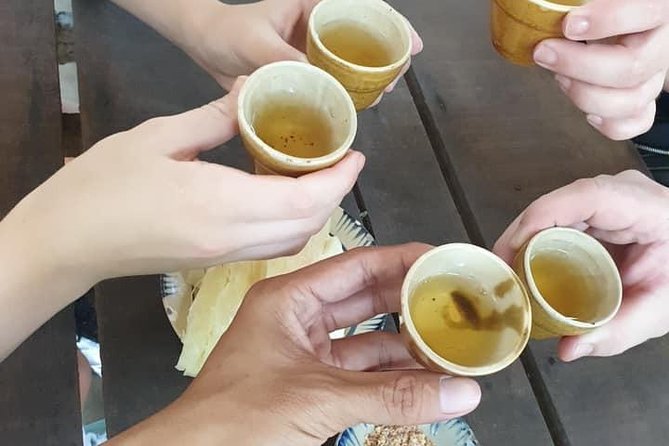
You’ll also taste the tour’s included wartime-style snack: tea and tapioca. The tour frames tapioca as guerrilla’s food during the war, and even if you don’t eat it often at home, the point is easy to understand. Simple ingredients, practical sustenance.
In other words, it’s not just food. It’s food used as a historical clue.
Optional Shooting Range: Budget Extra If You Want It
The tour includes the main Cu Chi Tunnels experience with the entrance fee, but it does not include the bullet fee at the shooting range. The shooting range is mentioned as optional, so if you decide to add it, make sure you carry the extra budget.
This is one of those choices where I suggest planning ahead. If you’re already stretching your day, you might not want another detour. If you’re history-focused and curious, the optional range can add variety—but treat it as an add-on, not part of the base value.
How the 6 to 7 Hours Usually Feels: A Full Day, Not a Quick Hit
The tour runs about 6 to 7 hours and includes admission. With pickup and the 1.5-hour drive to Cu Chi, you should think of this as a full-day commitment. It’s enough time to watch the film, explore multiple tunnel areas, and still slow down for the rice paper workshop and snack.
If you’re the type who likes a relaxed day, this will feel right: you won’t be rushing from one stop to another. If you prefer very short tours, this may feel long because you’re combining travel plus structured learning plus underground walking.
Either way, the schedule is clear and contained. It’s a single-day outing with a defined start and end, so you won’t wonder all afternoon what comes next.
Price and Value: Why $23 Can Make Sense Here
At $23 per person, this tour can look cheap—until you check what’s included. You’re getting hotel pickup and drop-off in central Saigon, a helpful English-speaking guide, bottled water, the entrance fee, and a light snack with tapioca and tea. You’re also getting good quality AC transportation.
That matters because Cu Chi is not next door. Transport and entrance costs add up fast on day trips, and history tours can be a gamble if the guide quality is weak. The strong guide feedback—friendly, warm, entertaining, and able to explain facts clearly—helps justify the price because you’re paying for interpretation, not just admission.
If you’re traveling with a group, there are also group discounts listed. In that case, it gets even better value, since the price per person can drop while you keep the same guided structure and private-group setup.
Private Tour Setup: Only Your Group, Clearer Attention
This is listed as a private tour/activity, meaning only your group participates. I like this model for history sites because it reduces the feeling of being herded. You’re more likely to get questions answered and explanations tailored to your pace.
One side effect: private tours can be great if you want control, but they can also mean you’re less likely to get the “accidental” energy from other groups. If you’re the type who enjoys quiet learning, that’s a plus. If you prefer a lively group vibe, you might be happier choosing a larger join-in tour.
Who Should Book This Cu Chi Tunnels Guided Tour?
This tour fits best if you want three things in one day: war history context, guided interpretation, and a culture-and-food stop that breaks the heaviness.
It’s especially a good match for:
- Families who want explanations and a guide who can keep the tone friendly and clear.
- Solo visitors who don’t want to figure out logistics and meeting points alone.
- People who prefer a structured 6–7 hour plan rather than cobbling together separate tickets and directions.
If your main goal is only the quickest view possible, then any guided day trip may feel like too much. But if you want the site explained—why things were built the way they were—this format works.
Should You Book Happy Plus Travel for Cu Chi Tunnels?
Yes, if you want a straightforward Cu Chi Tunnels day trip that includes transport, admission, and food, with an English-speaking guide who tends to be praised for warmth and good storytelling. The repeated mention of guides like Mr Le, James, and Jacky Hieu points to consistent human delivery, not just a generic tour script.
I’d book it with a couple expectations set: it’s a full day, it’s serious topic material, and optional extras like the shooting range come with extra cost. If that fits your style, you’ll leave with a clearer picture of how the tunnels worked and what daily life underground tried to protect.
FAQ
How long is the Cu Chi Tunnels guided tour?
The tour is listed at about 6 to 7 hours.
How far is Cu Chi from Ho Chi Minh City?
The drive to the Cu Chi Tunnels is listed as 60km, taking about 1.5 hours.
Do you offer hotel pickup and drop-off?
Yes. Free pickup and drop-off are offered in the center of Saigon.
Is entrance to the Cu Chi Tunnels included?
Yes. The entrance fee is included.
Does the tour include food?
Yes. You’ll get a light snack at Cu Chi Tunnels, including tapioca and tea, plus bottled water.
Is the tour guided in English?
Yes. The tour includes a helpful English-speaking tour guide.
Is this a private tour?
Yes. It is listed as private, with only your group participating.
Where does the tour start and end?
It starts at Ben Thanh Market in District 1 and ends back at the meeting point.
Is the shooting range fee included?
No. The bullet fee for the optional shooting range is not included.
What’s the cancellation policy?
Free cancellation is available up to 24 hours in advance for a full refund.