REVIEW · HO CHI MINH CITY
Cu Chi Underground Tunnels Half-day Tour
Book on Viator →Operated by Hoi An Express Travel · Bookable on Viator
You’ll feel history pressing up from the soil. This half-day Cu Chi Tunnels trip is built around two tunnel sections of a vast underground system, with AC hotel pickup from Ho Chi Minh City to keep the ride easy. I like that you also get the option to try the nearby firing range for an extra fee, but the main drawback is the pace can feel tight if traffic is bad.
Two things really make this tour work well. First, the guide-led visit helps you understand how the tunnel world operated during both the Vietnamese fight for independence and the later Vietnam War bombing era. Second, the tunnels and trap areas are presented as hands-on, walkable exhibits, with enough time in each zone to actually see what you’re being shown.
One consideration: this is a short visit for a place that’s enormous. The day can feel rushed in spots, and if your guide’s delivery is hard to follow, you may lose context while you’re standing in the dark.
In This Review
- Key Things to Know Before You Go
- Cu Chi’s Underground City: what two tunnel sections really mean
- From Ho Chi Minh City to the Tunnels: timing, traffic, and comfort
- Stop 1: Viet Minh Era tunnels and the idea of near-normal life underground
- Stop 2: the Vietnam War section, free-fire zone pressure, and livable design
- Traps, rooms, and how the visit feels on foot
- Optional firing range: the M16/AK47 choice and extra costs
- Guide quality: English explanations, good pacing, and names to watch for
- Price and value at $48: what you get, what you pay extra, and how to plan
- Who this half-day tour fits best (and who might choose differently)
- FAQ
- How long is the Cu Chi Tunnels half-day tour?
- What does the tour cost?
- Does the tour include hotel pickup and drop-off?
- Is transportation included?
- Are entrance fees and a guide included?
- Is bottled water included?
- Is travel insurance included?
- What about the firing range with the M16 or AK47?
- How large is the group?
- What are the child pricing rules?
- Should You Book This Half-Day Cu Chi Tunnels Tour?
Key Things to Know Before You Go
- Two very different tunnel sections show the underground story across time
- AC pickup and drop-off in HCMC center make the commute painless
- Small group size (max 15) helps the guide keep momentum
- Optional firing range lets you choose the M16/AK47 experience (extra cost)
- Entrances, guide, water, and insurance are included, so you’re not budgeting mid-day
Cu Chi’s Underground City: what two tunnel sections really mean
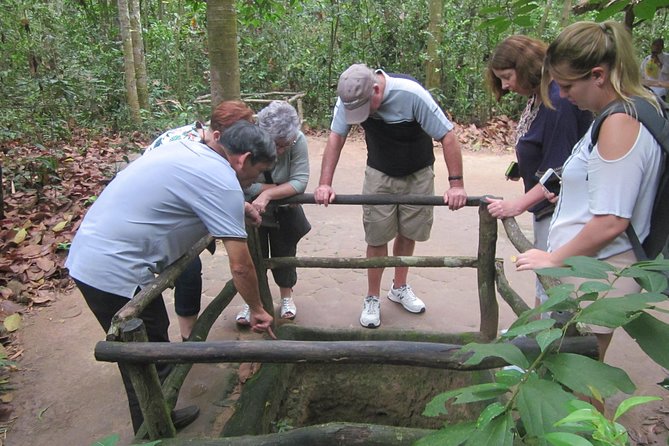
Cu Chi is famous for a reason: it wasn’t just a tunnel network, it was a wartime underground city. The system spans more than 250 kilometers, and it was designed so people could live, move, store goods, and keep operating even when the surface was under extreme pressure.
What you’ll see on this half-day tour is focused on two open visitor areas. One part traces how digging began in 1948 to support the Viet Minh during the fight for independence from the French, then kept expanding for decades. The other part connects to the later Vietnam War period, when the Cu Chi region was declared a free-fire zone and the area faced heavy attacks and bombing.
That split matters. You don’t just walk through “old tunnels,” you see how the function changed—how living and command needs evolved, and how the tunnels were made to be usable for long stretches of time.
You can also read our reviews of more tours and experiences in Ho Chi Minh City


From Ho Chi Minh City to the Tunnels: timing, traffic, and comfort
This tour is built for convenience in a city where traffic can be unpredictable. You get round-trip hotel transport from Ho Chi Minh City’s center, and the transportation is air-conditioned, which helps a lot on a day that’s otherwise outdoors around the grounds.
The total time is about 5 hours, and the actual tunnel time is split into two main sections. One stop is around 2 hours, and the second is about 1 hour, with the rest of your time used for driving, orientation, and moving between zones. It’s a smart structure for a half-day, but it also explains why some people feel like they need more time once they’re inside.
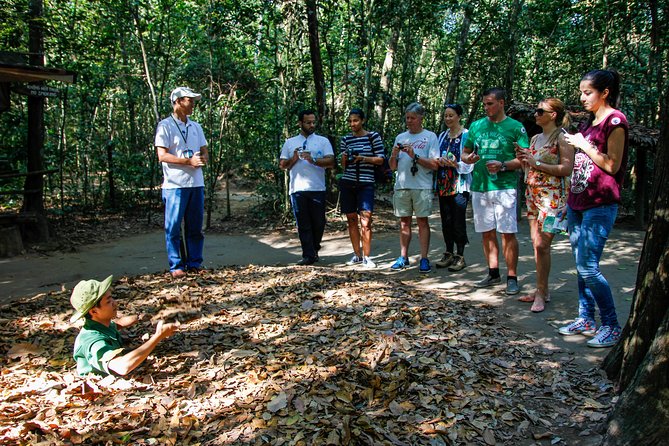
If you can, choose a morning departure. A cooler start can make the day feel less demanding, and it can also help you avoid crowds at popular stops. The tour format is small-group, but you’ll still be walking through areas that attract a lot of attention.
Stop 1: Viet Minh Era tunnels and the idea of near-normal life underground
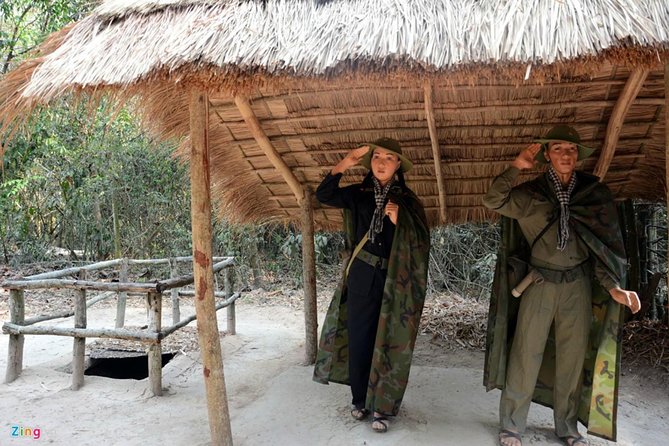
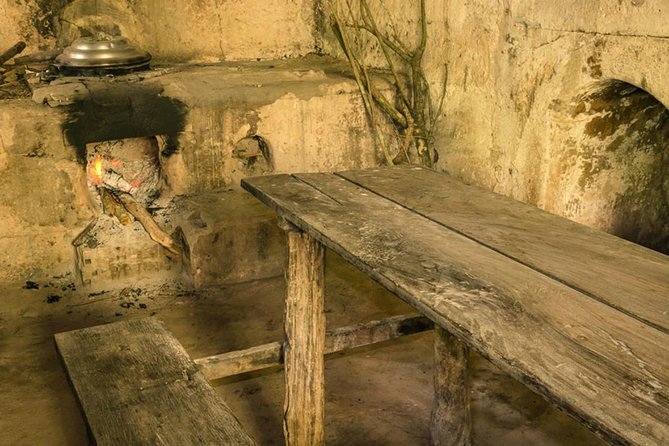
Your first tunnel visit is the longer one, and it’s where the story begins. This portion explains how construction started in 1948 and continued for roughly 25 years, creating far more than a passage system. The tour describes living areas, kitchens, storage facilities, weapons production spaces, field hospitals, and command centers.
That’s the key to what you’re seeing: the tunnels weren’t only for hiding. They were built for long-term use, so people could keep working, caring for each other, and continuing daily routines while staying underground for extended periods.
You’ll also notice the exhibit areas with traps and rooms. The way they’re presented is part of the “wow” factor: you can understand the design choices because the spaces are built to be visible and walkable for visitors, not only preserved behind barriers.
The best guides make this section click. Some guides build the historical context into the ride out, which helps you connect the tunnels to the people who relied on them rather than treating it like a random underground maze.
Stop 2: the Vietnam War section, free-fire zone pressure, and livable design
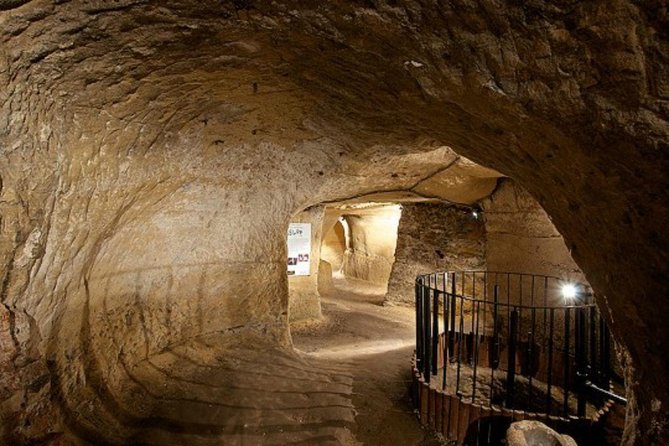
The second tunnel stop shifts the focus to the American War era. Here, the explanation centers on how the entire Cu Chi area became a free-fire zone and took intense bombing pressure. In that environment, the tunnel system had to keep functioning under constant threat.
One detail that makes this portion interesting is the reference to tunnel structures with “moving parts.” In other words, these aren’t just fixed hallways. They were designed for livability and longer stays, and the tour frames them as engineering meant to protect people while still allowing movement and practical use.
If you want to maximize learning on a short day, this is the stop where good timing helps most. You’re likely to have fewer minutes here than in the first section, so pay attention to what the guide is saying about how each area was used. If your guide rushes through, you’ll feel the loss faster because the time window is smaller.
Traps, rooms, and how the visit feels on foot
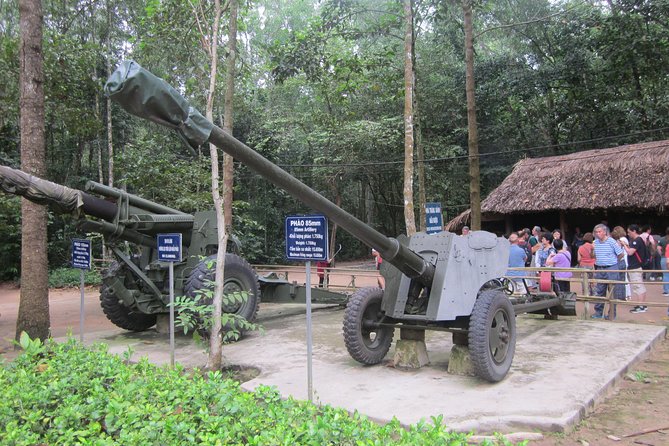
Walking through the tunnels is the heart of the experience, but it’s also where expectations should be realistic. The tour is structured to cover two sections, and that means you won’t linger for long in every room or corner. This is especially important if you like to read every sign and study every exhibit.
The upside is that the visit is kept moving in a way that still leaves room to explore. Many people love the condition of the tunnel areas and trap-related spaces, because the sites don’t feel like they’re decaying into rubble. Instead, you get a clearer sense of how the different spaces worked together as a functioning underground network.
What can spoil the flow is outside control, mainly city traffic and occasional pacing. If your departure hits delays, you’ll likely feel it when you reach the grounds. And if a guide speeds up, you may pass other areas without enough time to fully process the details.
A small group helps here. With fewer people, the guide can adjust pacing and answer questions more directly—assuming the group moves at a steady rhythm.





Optional firing range: the M16/AK47 choice and extra costs
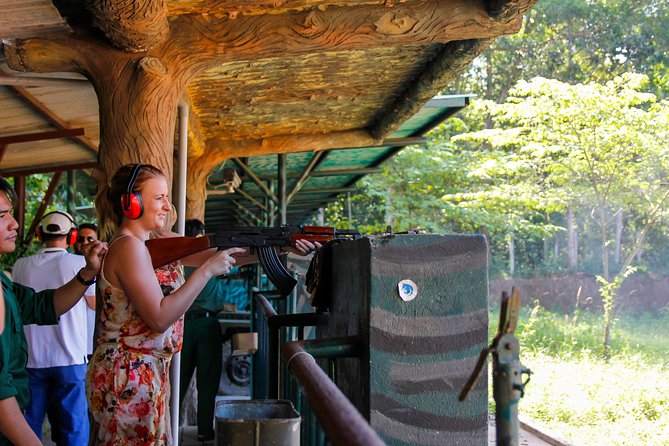
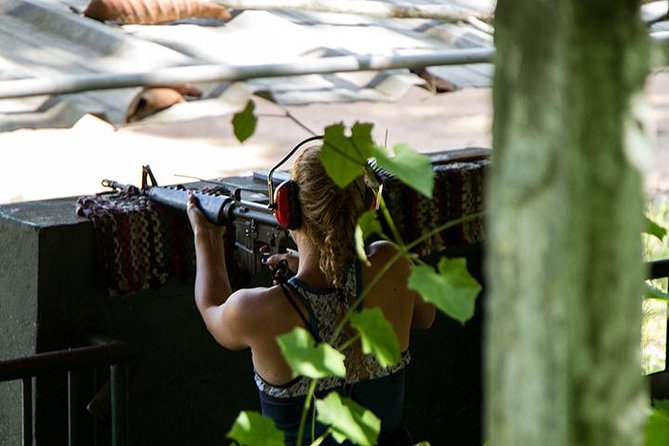
There’s an optional add-on tied to a nearby firing range. If you want it, you can fire rounds using a war-era M16 or AK47, but the firing range fees are not included in the tour price.
This is worth thinking about before you decide. On one hand, it’s a vivid, physical experience that many people treat as the highlight. On the other hand, it’s separate cost and a different kind of activity than the history-focused tunnel walk. If your goal is strictly to understand the underground story, you may prefer to skip it and keep more time for the tunnels.
If you do add the range, keep your expectations grounded. It’s not a guided “weapons history” session; it’s a practical shooting activity that happens after the main tunnel viewing. Plan your budget for that extra fee and decide based on your priorities.
Guide quality: English explanations, good pacing, and names to watch for

Guide quality is a big part of whether the tour feels meaningful or just busy. This tour includes an English-speaking guide, and other languages may be available with a surcharge. You’ll also get bottled water, and the guide’s job is to connect tunnel spaces to their role across the two wars.
In particular, some guides are highlighted by name for making the tour easier to follow. Stephen is praised for detailed answers and smart time management. Lam is recognized for filling in context about construction and use while keeping everything moving without cutting out the chance to explore. Anh is noted for being professional and honest, including not pushing gift shop purchases, which helps you focus on the experience instead of sales pressure.
If you’re someone who wants to ask questions, look for the guide who gives you time. When guides pace well, you don’t just see the tunnels—you understand why each feature was there.
Price and value at $48: what you get, what you pay extra, and how to plan
At $48 per person, the value comes from what’s included versus what’s optional. You get hotel pickup and drop-off in Ho Chi Minh City center, air-conditioned transportation, entrance fees, bottled water, travel insurance, and an English-speaking guide. That means you’re not piecing together multiple tickets and transfers mid-day.
You still pay extra for personal items and you should budget for tipping local guides. If you add the firing range, that’s also an additional fee since the shooting cost isn’t included.
So the “value math” is mostly about fit. If you want a guided, efficient half-day with transport and entry covered, this price is easier to justify. If you’re the type who wants to spend the entire day slowly reading and re-reading every sign, you may feel the schedule is too tight and judge the cost accordingly.
One practical tip: pick the time of day that suits your energy. Going in the morning can feel cooler and less crowded at key moments, which helps you stay focused even in a short format.
Who this half-day tour fits best (and who might choose differently)
This tour works especially well if you want structure and context. The tunnel network is massive, but you only see two open sections here, so the guide’s storytelling is what turns those stops into a coherent picture of wartime life.
It also suits people who like a small group. With a maximum of 15 travelers, you get a better shot at conversation and clearer explanations than on huge buses.
A few people may want to rethink the match if they dislike tight pacing. The schedule is built to cover both sections in a limited time window, so you won’t have hours to wander at your own speed. If you know you prefer slow museum-style exploration, consider an option with more time at the site.
Also consider whether you’ll use the firing range. If you don’t care about shooting, you can skip it and treat the day as a history and engineering walk underground. If you do care, budget the extra fee and plan around it.
FAQ
How long is the Cu Chi Tunnels half-day tour?
The tour lasts about 5 hours.
What does the tour cost?
It is $48 per person.
Does the tour include hotel pickup and drop-off?
Yes. You get pickup and drop-off from Ho Chi Minh City center.
Is transportation included?
Yes. You travel by air-conditioned transportation.
Are entrance fees and a guide included?
Yes. Entrance fees are included, and you’ll have an English-speaking guide.
Is bottled water included?
Yes. Bottled drinking water is included.
Is travel insurance included?
Yes. Travel insurance is included.
What about the firing range with the M16 or AK47?
It’s optional. The opportunity is available, but firing range fees are not included.
How large is the group?
The tour has a maximum of 15 travelers.
What are the child pricing rules?
Children ages 0–5 are free, and children ages 6–10 get 50% off. There is also a rule that up to 1 child can be accompanied by 1 adult, with the 2nd child paying the adult price.
Should You Book This Half-Day Cu Chi Tunnels Tour?
Book it if you want an efficient, guided, half-day introduction to Cu Chi’s underground system with transport and entry handled. The combination of two distinct tunnel sections plus an English-speaking guide makes it easier to understand the underground city and how it served different phases of the conflict.
Skip it or look for a different format if you hate rushing or you want far more time to explore at your own pace. In that case, the short schedule can feel limiting, especially if traffic delays your arrival or if the guide moves quickly.
If you’re on the fence, choose the morning option when you can and keep a little flexibility in your plan—Cu Chi rewards attention, and this tour is best when you give it your full focus.