REVIEW · HO CHI MINH CITY
Discover Saigon’s Local Sites and Culture by Motorbike
Book on GetYourGuide →Operated by CONNECT CULTURE CO.,LTD · Bookable on GetYourGuide
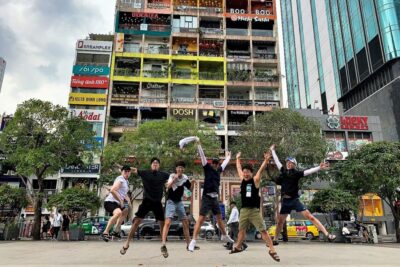
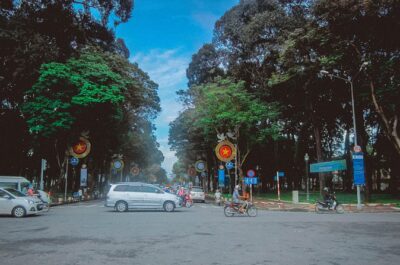
Saigon makes sense from the back of a bike. You hop on with an English-speaking guide and roll past Thich Quang Duc, District 3 apartments, Chinatown markets, and a floating market that feels like a mini Mekong, all while local life stays the focus.
I really like two parts: first, the way guides (like Lucy, Jay, and Elisa) handle the traffic and keep things safe and controlled even on small alley streets. Second, I like the mix of walking and tasting—District 5 markets, coffee (and even coconut), plus a special dish—so the tour isn’t just riding past sights.
One thing to consider: it’s still a motorbike ride in active city traffic. That makes it not suitable for pregnant women, wheelchair users, and people over 80, and you’ll want comfortable clothes and shoes.
In This Review
- Key highlights at a glance
- Why this Saigon motorbike route feels like the real city
- Meeting your guide, getting geared up, and staying comfortable
- Thich Quang Duc Monument: a strong start before the street noise
- District 3 old apartments: seeing local routines up close
- Coffee and coconut: a break that tells you what locals actually drink
- Saigon’s biggest flower market and the trip toward Chinatown
- District 5 Chinatown: ghost buildings and themed markets
- A mini Mekong in the city: the floating market stop
- District 4 and 7: slum areas and the old mafia area
- Food, the Saigon River Tunnel, and the District 1 scenes
- Price and value: what $16 gets you (and what to watch for)
- Who should book this motorbike culture tour
- Should you book it or skip it
- FAQ
- How long is the motorbike tour in Ho Chi Minh City?
- What is the price per person?
- Is hotel pick-up included?
- What’s included in the tour?
- What should I bring?
- Is alcohol allowed during the tour?
- Is the tour suitable for everyone?
- Are the guides English speaking?
- What is the cancellation policy?
Key highlights at a glance
- Thich Quang Duc Monument start: an immediate dose of Saigon’s spiritual and historical roots.
- District 3 old apartment life: a real look at daily routines, not a staged neighborhood.
- District 5 Chinatown markets: motorbikes, pets, electronics, and Chinese medicine in one circuit.
- Floating market mini-Mekong: a different pace, tied to water and local trade.
- District 4 and 7 contrast: slum areas and an old mafia area for a harder reality check.
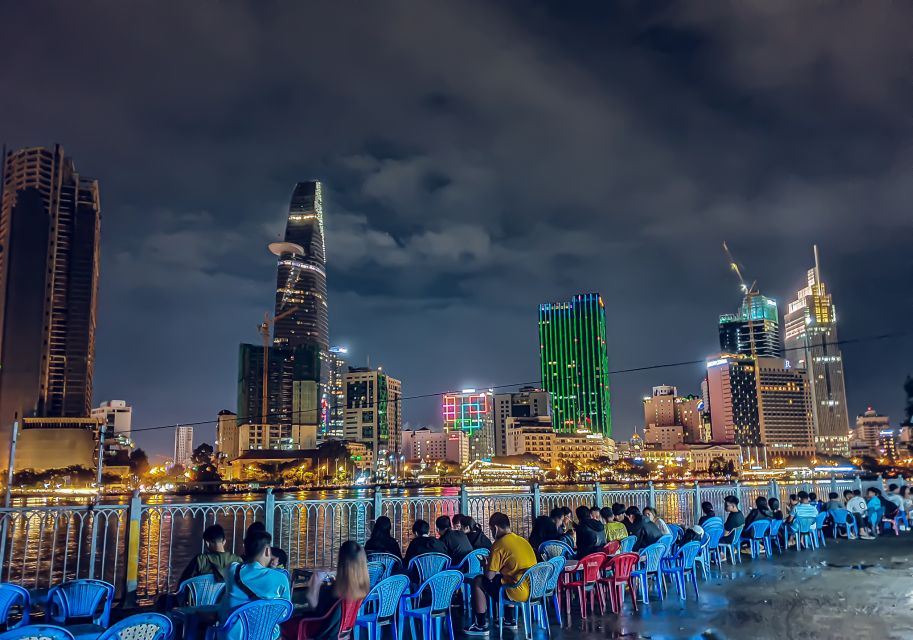
- Tunnel + District 1 views: the ride ends with city scenes from a newer angle.
Why this Saigon motorbike route feels like the real city
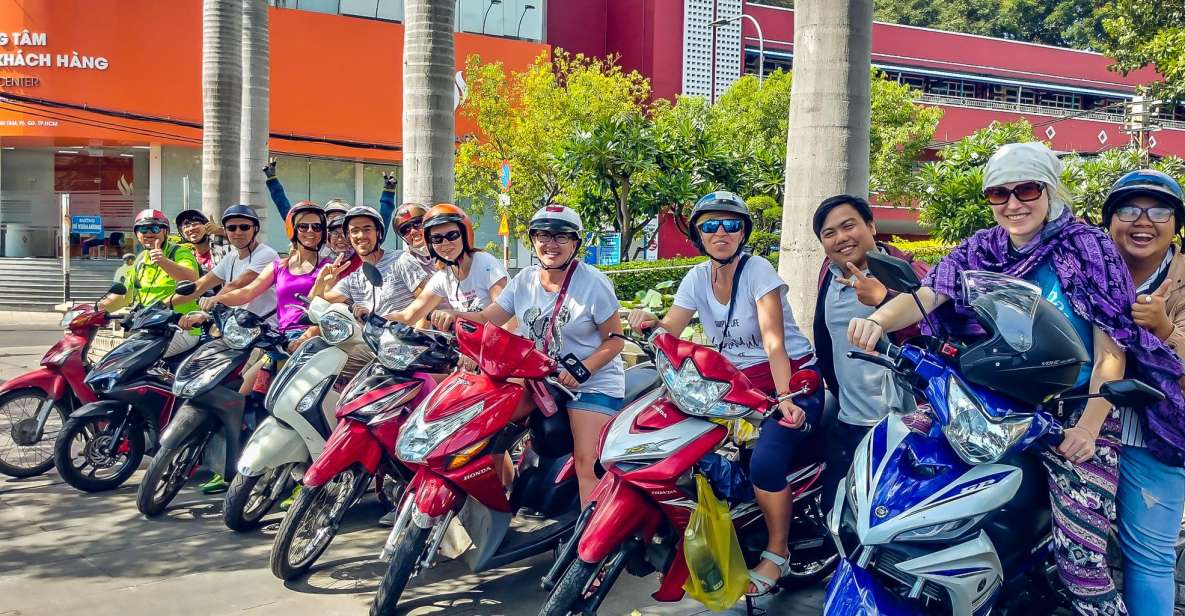
Saigon is huge, and the “right” way to see it depends on what you want. This tour is built for people who want the city’s everyday texture—backstreets, local storefronts, market chaos, and family routines—without spending hours planning routes and stops.
I like that you’re not stuck behind a bus window. Being on a motorbike puts you closer to street rhythms: the way people shop, the way scooters weave, and the way everyday culture shows up on every corner. It’s also paced so you get out and walk at key moments.
The price helps too. At $16 per person for about 2 hours to 210 minutes, the tour includes pick-up/drop-off (in certain districts), an English-speaking guide, motorbikes/helmets/ponchos, and food & drink. That’s a lot to pack into a short window.
You can also read our reviews of more tours and experiences in Ho Chi Minh City.

Meeting your guide, getting geared up, and staying comfortable
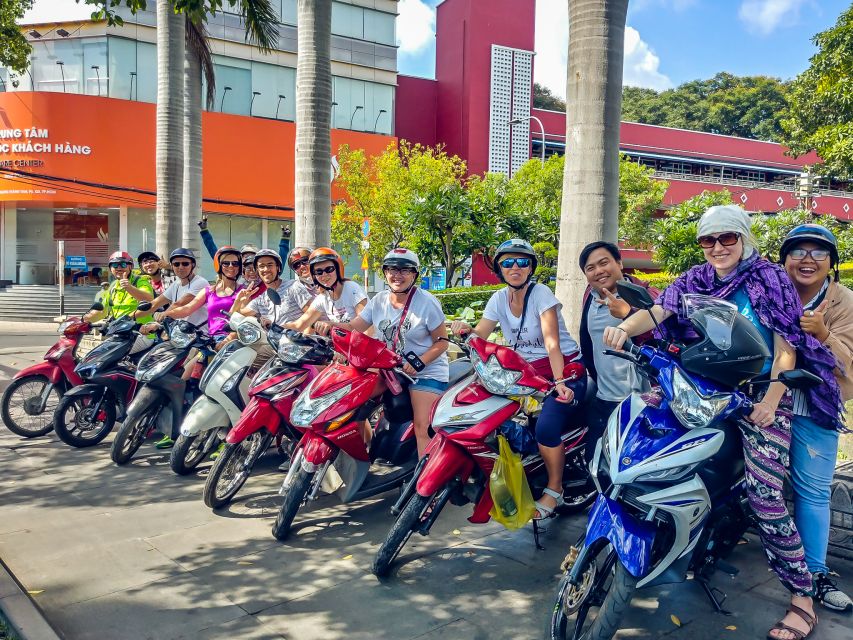
The tour starts with pick-up from your hotel or a nearby meeting point (free pick-up covers hotels in Districts 1, 3, or 4, or you can meet at 212 Lê Lai, Phường Phạm Ngũ Lão, Quận 1). If your hotel is outside those areas, there’s a $5 per person surcharge on the day.
Before you roll out, you’ll get the basics that matter on a motorbike tour: helmets and ponchos (handy if the weather turns). You’ll also want to wear comfortable shoes since the route includes small walks, not just long sitting.
Safety and communication are a big deal here, and the tour’s transport gets strong marks (93% of reviews rate it a perfect score). In the guide mix, names like Lucy, Jay, Zach, Rachel, Elisa, Jayne’s guides, and others show up often, with a consistent theme: they’re attentive drivers and they explain what you’re seeing in clear English.
Thich Quang Duc Monument: a strong start before the street noise
You begin at the Thich Quang Duc Monument. It’s a grounding stop that sets the tone for the rest of the route. Instead of jumping straight into markets, you first get a sense of Saigon’s spiritual and historical layers.
From there, the tour shifts into motion—small streets, changing neighborhoods, and constant visual cues of daily life. The value of starting here is simple: it helps you interpret what comes next. You’re not just collecting photos; you’re building context for why different places feel the way they do.
District 3 old apartments: seeing local routines up close
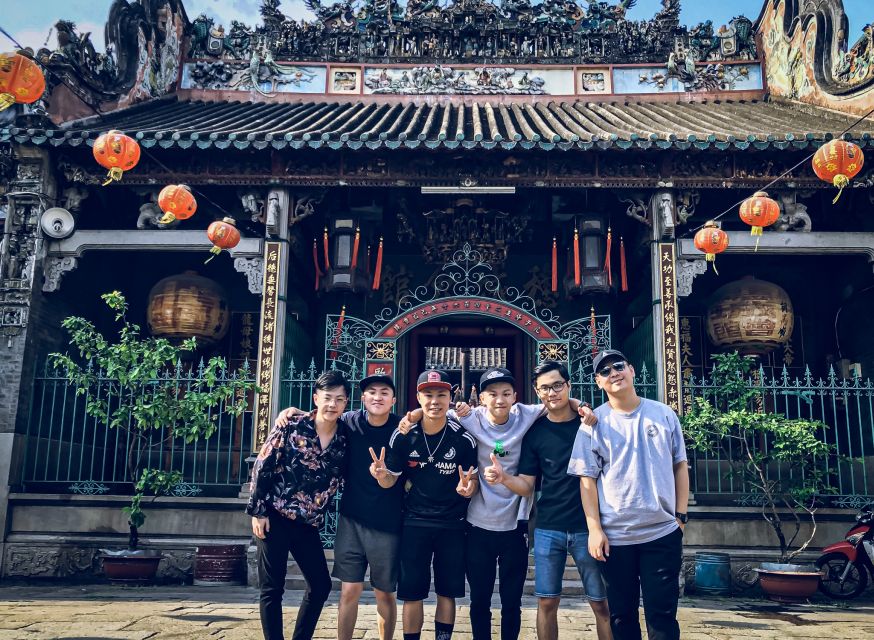
Next comes District 3, described as Saigon’s oldest district. The tour continues into an old apartment area where you can see how Vietnamese people live and go about daily activities.
This is one of the most meaningful parts because it’s not a “viewpoint stop.” You’re looking at home life: where people move, how they carry on errands, and how community space works in a dense city. The tour includes time to step around and observe, not just stare from the bike.
A practical tip: wear shoes you don’t mind getting a little dusty. You’ll be on your feet some, and the streets can be uneven. If you’re someone who loves texture and real routines more than polished attractions, District 3 is right up your alley.
Coffee and coconut: a break that tells you what locals actually drink
After District 3, you stop at a local coffee shop for a typical Vietnamese drink—either Vietnamese coffee or coconut. Coffee culture in Saigon is more than caffeine; it’s an everyday ritual that slows time for locals.
One review detail sticks out: the stop has included an older coffee shop with a long-running vibe, the kind of place where people come back for their usual. Even if your exact shop is different, the point stays the same: this isn’t a tourist café with a menu engineered for pictures.
This is also a smart pacing move. After traffic and walking, you recharge before the heavier market stretch ahead.




Saigon’s biggest flower market and the trip toward Chinatown
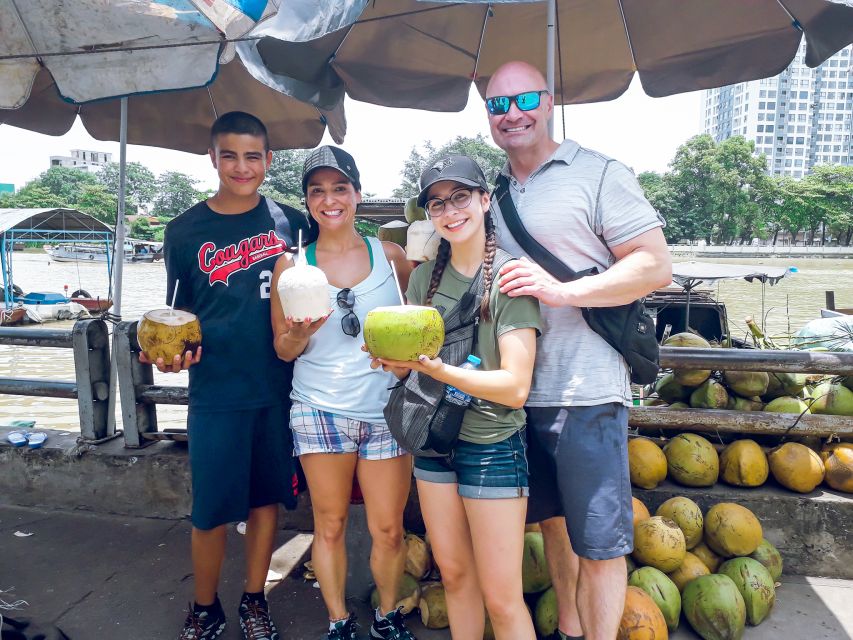
From coffee, the route heads to the biggest flower market in Saigon. You’ll see the city through colors and supply chains—flowers as both commerce and culture.
Flower markets can be chaotic, but that’s part of the lesson. You learn how trade works at street level and how quickly sellers move when orders and deliveries matter.
Then you move on toward China Town in District 5, where the city gets even more specialized. This section is the tour’s “eyes open” moment: lots to look at, lots to notice, and a guide who helps you connect what you see with how people live.
District 5 Chinatown: ghost buildings and themed markets
In District 5, the tour takes you through Chinatown areas described as including ghost buildings, plus a cluster of markets with strong themes. The itinerary calls out a motorbike market, a pet market, an electronic market, and a Chinese medicine market, followed by a typical Chinese temple.
This is one of the most fascinating segments because you see how different needs create different streets. Electronics and medicines often pull different crowds and habits than pets and bikes, and the guide helps you read the pattern as you walk and ride through.
One drawback to plan for: you’ll be surrounded by smells, sounds, and activity. If you’re sensitive to crowded indoor spaces or you don’t like walking through dense markets, you may want to keep your pace slower and rely on your guide to steer you around the messier pockets.
A mini Mekong in the city: the floating market stop
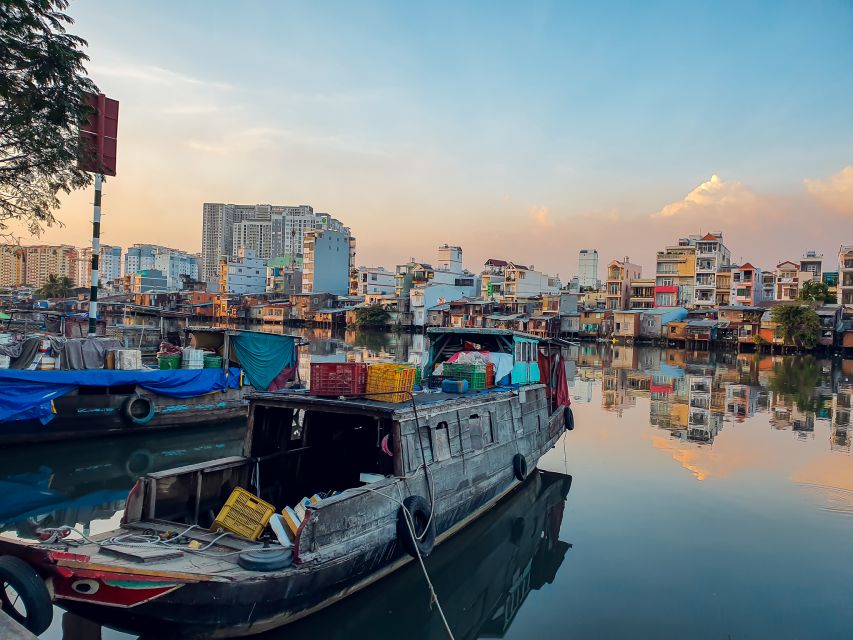
After the Chinatown market circuit, the tour shifts again to a floating market, described as a small version of the Mekong Delta in Saigon. This is a nice reset because it changes the feel of the route: less edge-to-edge urban noise, more water-linked trade and sights.
Even if you’ve visited the Mekong Delta before, this kind of “city version” can still surprise you. It shows how the idea of the Delta lives inside Saigon, not just far outside it.
It also creates a good rhythm break before the tour heads into District 4 and 7, where the mood gets heavier.
District 4 and 7: slum areas and the old mafia area
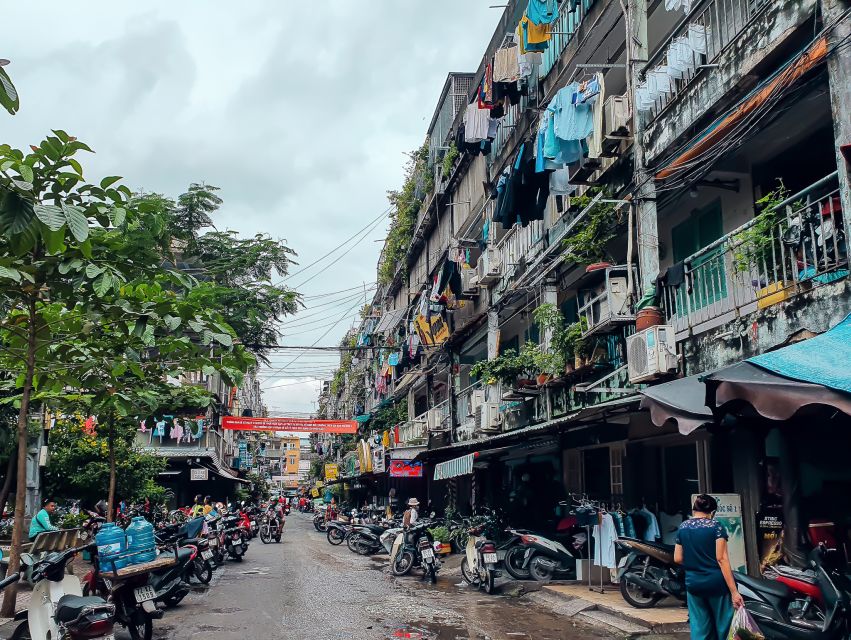
This is where the tour stops being purely scenic. You’ll drive past slum areas and an old mafia area in Districts 4 and 7.
I appreciate tours that don’t sanitize the city. Saigon has shining landmarks, yes, but it also has difficult sides—poverty, old power networks, and places shaped by history and change. This segment gives you a more honest sense of the city’s spread and the contrasts locals live with.
You don’t need to like every aspect to learn from it. In fact, the value is partly that you’ll feel the difference. Keep an open mind, and let your guide’s explanations do the heavy lifting.
Food, the Saigon River Tunnel, and the District 1 scenes
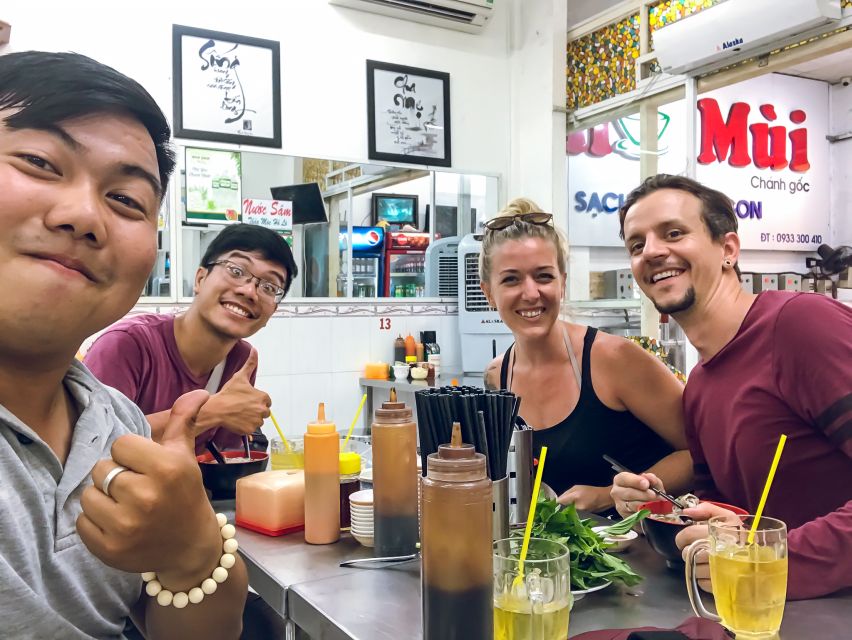
To keep energy up, the tour includes a special dish and local drink. The itinerary doesn’t pin the exact dish name, but it’s clearly meant as the tour’s fuel stop—something you eat as you move between very different parts of the city.
Some guide reports mention pho showing up at the end of the food stretch, which makes sense in a city where noodle soup is comfort and community food. Either way, you’ll want to eat lightly before the tour if you’re sensitive to stomach heaviness on a ride.
Afterward, you head through the Saigon River Tunnel in District 2 and then enjoy spectacular scenes of District 1. This is a smart transition: the tunnel creates a physical shift, and District 1 lets you connect what you’ve learned about the city with the skyline and major urban views.
Your tour usually ends with a special Vietnamese gift from your guide before you’re dropped back at your hotel or the designated place.
Price and value: what $16 gets you (and what to watch for)
At $16 per person, the value is strong because the tour bundles the big costs most independent travelers pay separately: transport, a driver/guide, helmets/ponchos, and food & drink. It also gives you time-saving routing across multiple districts in one go.
The fine print that affects value is mainly where your pick-up starts. If you’re in District 1, 3, or 4, pickup is free; if you’re farther out, plan on the $5 per person surcharge. That can change the real effective price depending on your hotel.
You should also know the “fit” conditions. This is a motorbike tour, so it’s not suitable for pregnant women, wheelchair users, or people over 80. And since alcohol is not allowed, the experience stays focused on culture, food, and getting around safely.
If you want to change the style, there are options listed:
- You can upgrade for a Female Ao Dai Rider with $10 extra per pax.
- There’s also a car option for comfort: $50 for a 7-seat car or $70 for a 16-seat van (booking needs to happen before 24 hours, and holiday pricing can shift).
Who should book this motorbike culture tour
You’ll love this tour if you:
- want local districts more than “postcard” landmarks
- like markets and street life
- want an English guide to help you understand what you’re seeing
- have only a short window in Ho Chi Minh City and want efficient coverage
It’s also a good first-day activity because it helps you get your bearings fast. After spending time in District 3, District 5, and the tunnel into District 2 and District 1, you’ll understand how the city is laid out in your own mind.
Should you book it or skip it
Book it if you want a short, high-value way to experience Saigon’s everyday culture—from Thich Quang Duc to District 3 apartments, from flower chaos to Chinatown markets, and then into the mini Mekong and District 4/7 contrasts. The included food and drink make the pacing feel complete, not like a sightseeing sprint.
Skip it if you’re uncomfortable on a motorbike in traffic or you fall into the listed “not suitable” categories. Also skip if you prefer quiet, controlled attractions only—this tour is street-level, and the city’s energy is part of the deal.
If you’re the type who enjoys learning through real places—homes, markets, temples, and water-linked life—this $16 motorbike tour is an easy yes.
FAQ
How long is the motorbike tour in Ho Chi Minh City?
The duration is listed as 2 hours, with availability showing up to 210 minutes depending on the start time.
What is the price per person?
The price is $16 per person.
Is hotel pick-up included?
Yes, pick-up is included for hotels in Districts 1, 3, and 4, or you can use the meeting point at 212 Lê Lai (Phường Phạm Ngũ Lão, Quận 1). If your hotel is outside those districts, there is a $5 per person surcharge on the day.
What’s included in the tour?
The tour includes pick-up and drop-off, English speaking guides, motorbikes, helmets and ponchos, food & drink on the program, and photos.
What should I bring?
Bring comfortable shoes, a camera, comfortable clothes, and cash.
Is alcohol allowed during the tour?
No, alcohol and drugs are not allowed.
Is the tour suitable for everyone?
No. It’s not suitable for pregnant women, wheelchair users, and people over 80.
Are the guides English speaking?
Yes, the tour includes an English speaking guide.
What is the cancellation policy?
You can cancel up to 24 hours in advance for a full refund.