REVIEW · HO CHI MINH CITY
Private Cu Chi Tunnels & Mekong Delta: Full-Day Guided Tour
Book on GetYourGuide →Operated by Elegant Travel · Bookable on GetYourGuide
Cu Chi Tunnels meet the Mekong Delta in one day. You get a private English guide, early hotel pickup, and a smooth mix of war history and daily life downstream.
I love how the day is built around contrast: underground resistance tunnels in the morning, then open-air river time in the Mekong in the afternoon. It’s not just seeing places; it’s understanding how people lived, fought, and farmed in this region.
One consideration: it’s a long day with a lot of movement and walking, and it’s not suitable for people with mobility impairments. If you’re sensitive to heat, the daytime can feel like a lot, especially during any extra transport segments.
In This Review
- Key highlights you should care about
- A One-Day Mashup of Cu Chi and the Mekong
- Price and what $169 really buys you
- Early hotel pickup to Cu Chi: documentary first, then the tunnels
- Cu Chi’s “how they lived” lesson, without losing your footing
- Driving to My Tho: the Mekong change of mood
- Upper Mekong cruise: islands with Buddhist names
- Rowboat through small waterways: agriculture close up
- Fruit orchards and coconut candy: why the stops matter
- Native bee-keeping farm: honey tea and the story behind it
- Timing, comfort, and how to pack for a big day
- Who this private Cu Chi and Mekong tour is best for
- Should you book this Cu Chi Tunnels and Mekong Delta full-day tour?
- FAQ
- How long is the Cu Chi Tunnels and Mekong Delta tour?
- Where does the tour start and is hotel pickup included?
- Is this a private tour?
- What language is the guide?
- What is included in the price?
- What boat experiences are included?
- Do you get lunch on the tour?
- Is this tour suitable for people with mobility impairments?
- What should I bring?
- Is southern Vietnamese folk music included?
Key highlights you should care about
- Private pace with an English-speaking guide who can answer your questions in real time
- Cu Chi Tunnels includes a short documentary and hands-on-style explanations like bamboo traps and rice-paper production
- My Tho Mekong cruise along the upper Mekong, including islands named Dragon, Unicorn, Phoenix, and Turtle
- Rowboat ride through smaller canals where agriculture and daily routines are easier to spot up close
- Bee-keeping farm stop with honey tea, seasonal fruit, fresh coconut candy, and southern Vietnamese folk music
A One-Day Mashup of Cu Chi and the Mekong
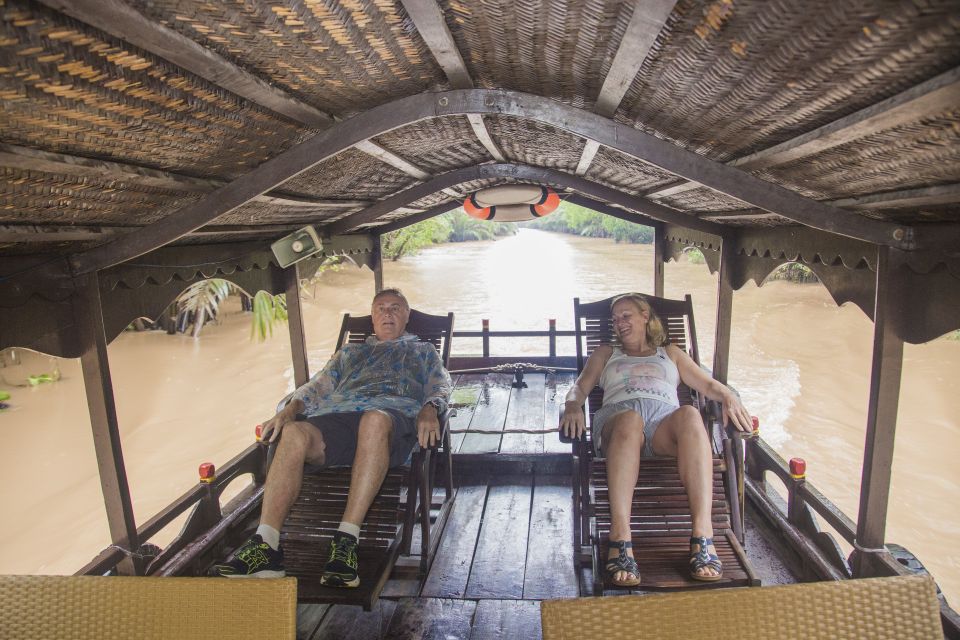
This is one of those days that makes Ho Chi Minh City feel bigger than just traffic and coffee stops. You start in the Cu Chi area, where the war-era underground network still shapes how people talk about resilience. Then you swing hard into the Mekong Delta, where the river decides the schedule—farming, transport, and even what grows best.
What I like most is that the tour doesn’t treat either half like a checkbox. The Cu Chi portion explains the logic of the tunnels: how people survived, moved, and prepared in tight conditions. The Mekong portion then shows the modern counterpart: a landscape of orchards, coconut groves, honey farms, and small waterways where life follows the flow.
It’s also a format that makes sense if your Vietnam time is tight. You get a war-history stop and a working-river experience in one go, without the stress of figuring out connections on your own.
You can also read our reviews of more guided tours in Ho Chi Minh City


Price and what $169 really buys you
At $169 per person, this isn’t a budget option. But the price is easier to justify when you look at what’s bundled: pickup, a professional English guide, transport, entrance fees, lunch plus snacks, and a boat trip.
You’re also paying for time and logistics. Cu Chi is about 60 km from the city, and the Mekong portion includes both a river cruise and a smaller waterways boat ride. Doing all that efficiently takes more than just a ticket; it takes coordination, and this tour handles it.
For me, the best value angle is the private-group setup. With a private guide, you’re not stuck listening from the back of a crowd or waiting for someone else’s pace. If you like asking questions—about the tunnels, about farming, about what you’re seeing—the guide time becomes part of the “worth it” calculation.
Early hotel pickup to Cu Chi: documentary first, then the tunnels
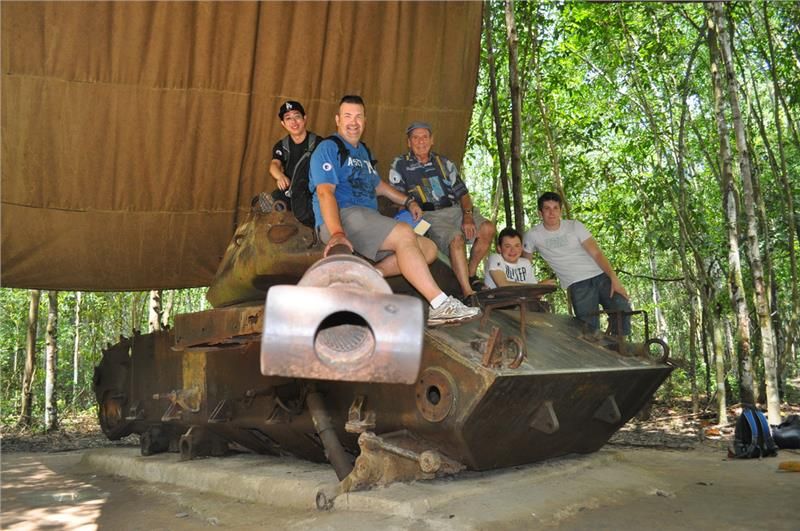
Your day starts with pickup from your Ho Chi Minh City hotel lobby in the early morning. Expect a comfortable drive toward Cu Chi, roughly 60 km away. Getting there early matters. You’re in a better rhythm before the biggest rush hits, and the site feels easier to take in.
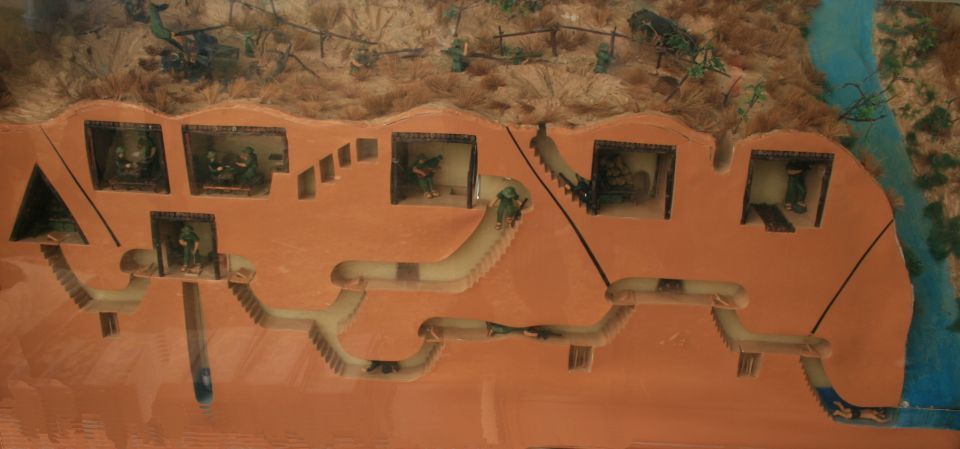
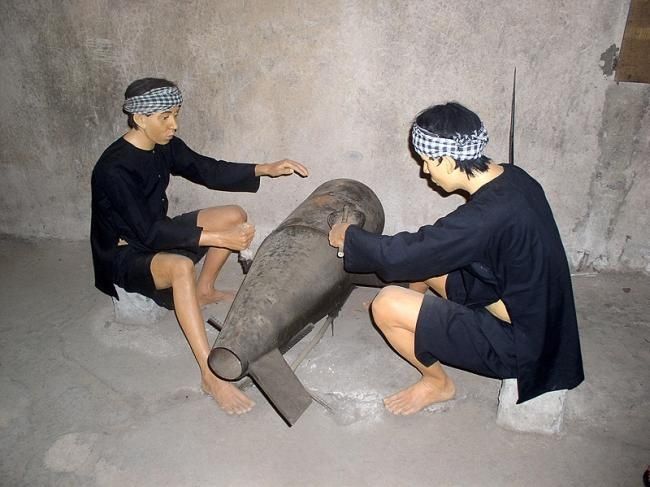
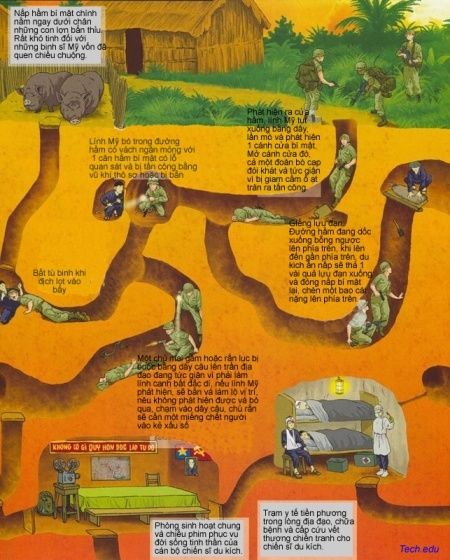
At Cu Chi, the tour begins with a documentary film. It’s a useful warm-up because it sets the tone and gives you the background before you squeeze into the practical reality of the tunnel system. After that, you’ll get explanations about how local fighters used bamboo traps and rice-paper—details that help the whole place make more sense than just “there are tunnels.”
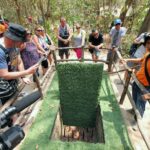
Then comes the part many people remember most: exploring the network of underground tunnels. The point isn’t comfort—it’s perspective. Even if you’re not crawling for long distances, you’ll quickly understand why this was an ingenious solution for survival and movement under pressure. Wear comfortable shoes and be ready for enclosed, uneven spaces.
If you’re the type who wants context while you go, this is where a good guide makes a difference. You’ll want someone to translate what you’re looking at into something meaningful, not just a list of dates.
Cu Chi’s “how they lived” lesson, without losing your footing
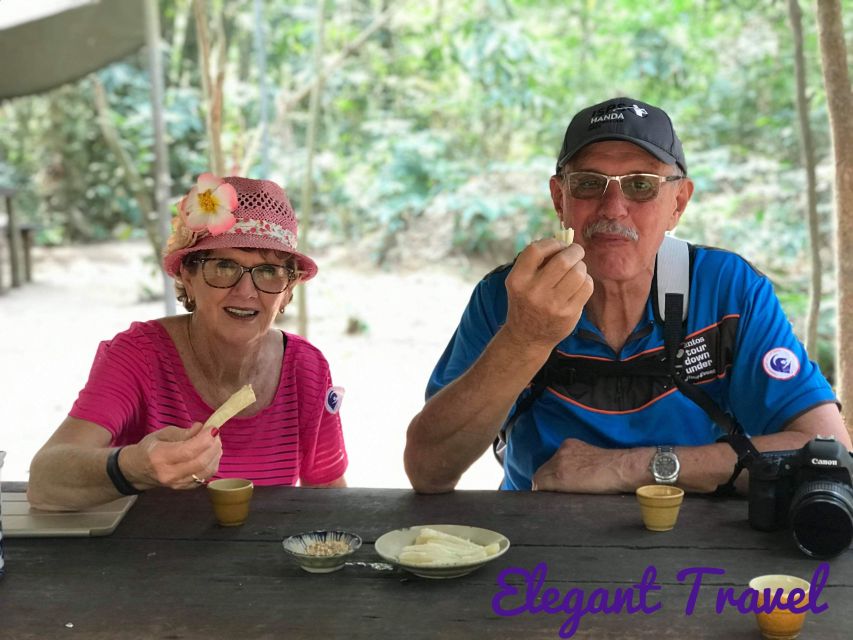
Cu Chi can be emotionally heavy, but this tour keeps it grounded in practical details. The documentary helps, and the on-site explanations do too. The bamboo trap and rice-paper references are smart choices because they connect war-era survival with the everyday skills and materials people already had.
You’ll also get a clearer sense of the geography and the ingenuity behind the tunnels. It’s not just “dig holes.” It’s a system designed for concealment, movement, and quick responses—built by people who knew the land.
The one thing to keep in mind: this portion is active and can feel physically demanding. Even with a guide helping you navigate, it’s still a historic site that involves tight spaces. Plan to go at your own pace.
Driving to My Tho: the Mekong change of mood
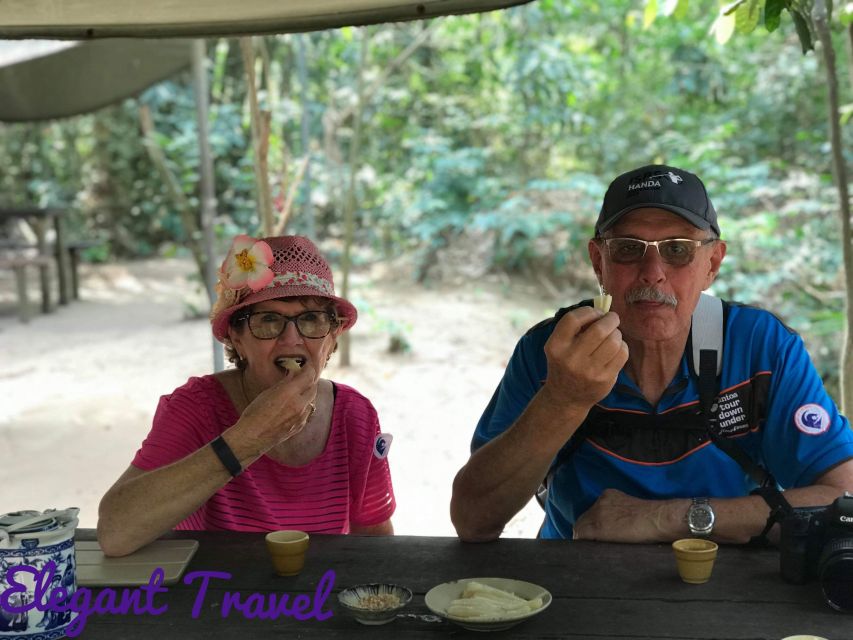
After Cu Chi, you’ll head to My Tho, a province area in the Mekong Delta region. This is where the day’s temperature and atmosphere shift from jungle-war urgency to river-world routines.
The transport itself takes some time, but it’s part of the deal: you’re spanning two very different Vietnam stories. If you’re only in Ho Chi Minh City for a short visit, this “one day, two settings” approach is exactly what you want—especially when the alternative is trying to stitch together separate day trips.
You can also read our reviews of more private tours in Ho Chi Minh City





Upper Mekong cruise: islands with Buddhist names
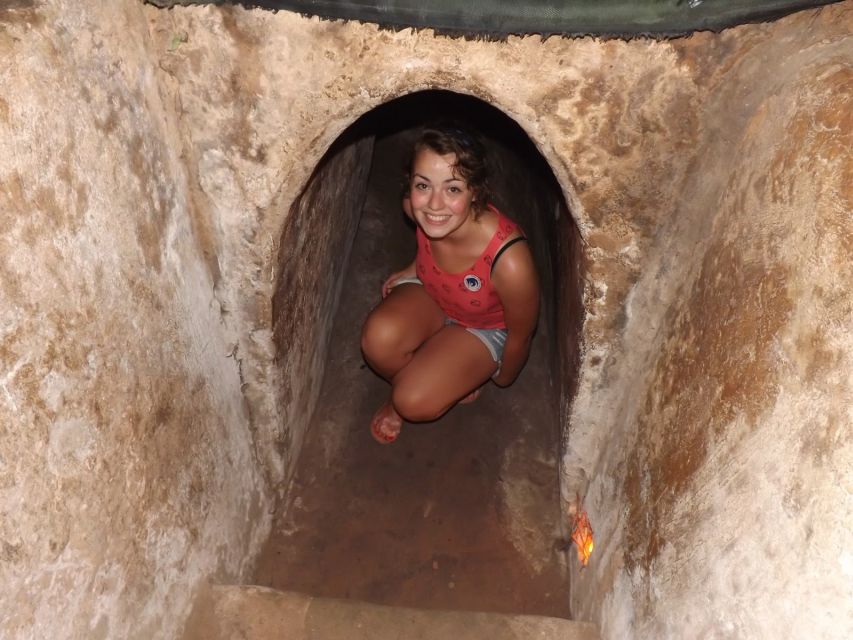
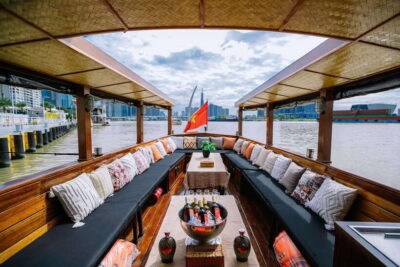
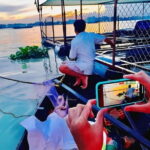
On the Mekong side, your day includes a cruise along the upper Mekong River. You’ll pass through a region with islands named after four animals that appear in Buddhist writings: Dragon, Unicorn, Phoenix, and Turtle.
That naming detail sounds like trivia until you realize what it does for your experience. It gives you a way to “read” the river. You start to notice that the Mekong isn’t just scenery—it’s wrapped into belief, storytelling, and local identity.
As you cruise, you can also watch daily life linked to the river. This is one of those moments where you’ll likely feel the difference between city Vietnam and river Vietnam. On the water, you see how transport, farming, and work rely on canals and seasonal rhythms.
Practical note: bring sunglasses and a sun hat. Even when the boat ride feels slow, the sun can be strong.
Rowboat through small waterways: agriculture close up
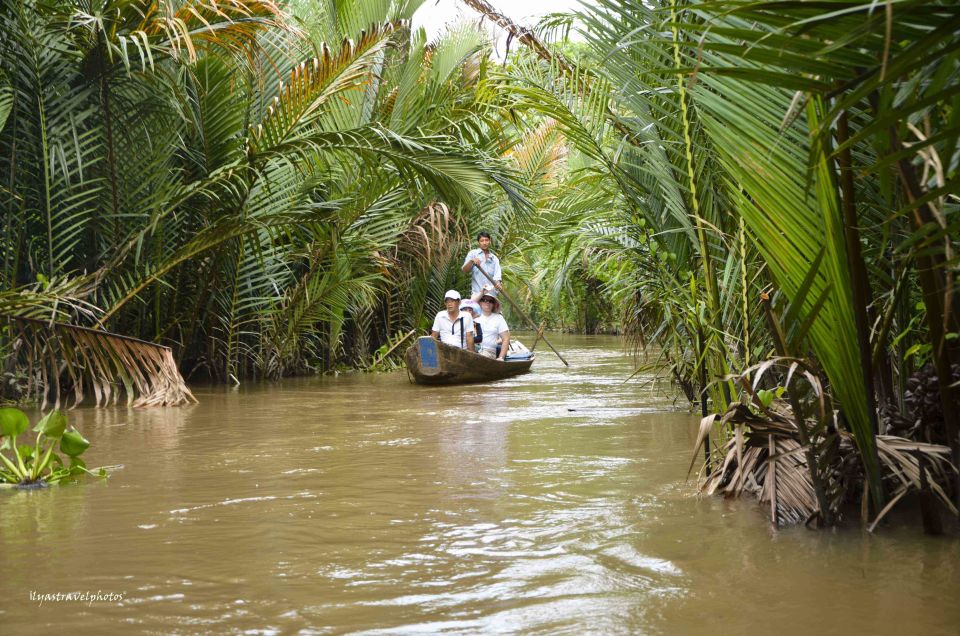
Then you switch to a rowboat trip on smaller waterways. This part is a big reason the tour works. A bigger cruise shows you the river. The rowboat shows you the “small scale” version of the river: tighter channels, closer banks, and a landscape where crops are literally part of the view.
This segment is where the tour emphasizes the agricultural richness of the delta—fruit orchards, coconut groves, and bee-keeping activities. You’ll stop long enough to connect what you’re seeing with how people make a living here.
If you like calm travel moments, this is it. The rowboat pace isn’t about checking off a photo spot. It’s about slowing down enough to notice details: how water and land share the same living space.
Fruit orchards and coconut candy: why the stops matter
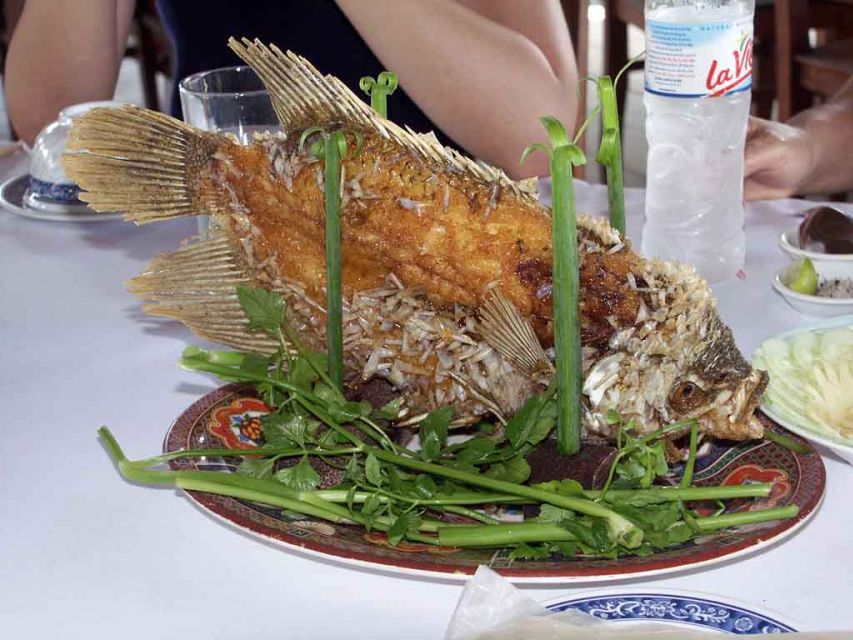
The Mekong Delta isn’t just something you look at. It’s something you taste and compare. The tour includes a food stop that fits the region, not a generic souvenir-shop detour.
You’ll enjoy seasonal fruit and fresh coconut candy, plus a break built around local flavors: honey tea and treats linked to the bee-keeping stop later in the day. This is a smart pacing choice. After long drives and boat time, food becomes a reset button.
Also, these stops give you more than calories. They connect the geography to the economy. Orchards aren’t random. Bees aren’t a side hobby. In the delta, these are survival and income strategies.
Native bee-keeping farm: honey tea and the story behind it
One of the tour’s signature moments is the native bee keeping farm visit. You’ll get honey tea and local fruit here, with the added cultural layer of southern Vietnamese folk music.
The bee-keeping portion is valuable because it’s interactive in a way that complements the boats and tunnels. Cu Chi shows human engineering under pressure. The bee farm shows working engineering under everyday life pressures: managing nature, producing honey, and building a livelihood around seasonal output.
If you’re even slightly curious about how rural production works, take your time at this stop. Ask your guide what’s happening—when bees are active, how honey is used, what locals look for in seasonal fruit. This is the kind of conversation that turns a tourist stop into a real learning moment.
Timing, comfort, and how to pack for a big day
This is a full-day tour with an early start and a return to Ho Chi Minh City around 18:00. It’s doable, but it’s not a lazy day.
Here’s what matters for comfort:
- Comfortable shoes for Cu Chi and any walk-throughs at the Mekong stops
- Sunscreen, sunglasses, and a sun hat for the river and open-air breaks
- Camera if you want to capture the river pace and the orchard stop details
- Stay hydrated since water is provided, but the day still includes sun and movement
Also, plan for a long stretch between parts. You’ll drive from Cu Chi to My Tho, cruise, row, and then drive back. If you snack-light in the morning, you’ll appreciate that the tour includes snack and lunch rather than making you guess where to eat.
One more practical thought: the program includes several curated stops. That’s great for structure, but it’s also the kind of schedule where you might be shown products. If you’re not interested in buying, be polite and firm—your time is better spent watching the river, not negotiating attention.
Who this private Cu Chi and Mekong tour is best for
This tour fits best when you want two things at once:
1) War history plus real modern life in one day
2) Less stress, more explanation from a guide who can answer questions in English
I especially think it works for couples, solo travelers, and families who don’t want to plan separate day trips. The private setup means you can move at a sensible pace and get your questions answered without the constant interruption of a large group.
If you hate rushing, this is still jam-packed, but it’s structured. Guides like Phong, Bao, Kim, and Phuong (all named by previous guests) are often praised for keeping the day smooth, organized, and information-heavy without turning it into a lecture.
If you’re traveling with mobility limitations, skip it. The tour is clearly marked as not suitable for people with mobility impairments.
Should you book this Cu Chi Tunnels and Mekong Delta full-day tour?
If you’re in Ho Chi Minh City for about a day and you want both the Cu Chi Tunnels and a genuine Mekong Delta river experience, I’d say this is a smart booking. The biggest win is efficiency without losing context—war history in the morning, then food, orchards, rowboats, and river life in the afternoon.
Book it if:
- You want a private English guide and included transport
- You like variety in one day: tight tunnels, boats, canals, fruit stops, and honey tea
- You’d rather pay for a plan than spend your vacation figuring out routes
Skip it if:
- You’re not up for a long, physically active day
- You prefer slower travel with fewer transitions
If your goal is one memorable day that connects Vietnam past and present, this is the kind of itinerary that actually delivers.
FAQ
How long is the Cu Chi Tunnels and Mekong Delta tour?
It’s a one-day tour with a full-day schedule, and you’ll typically be dropped back at your Ho Chi Minh City hotel around 18:00.
Where does the tour start and is hotel pickup included?
Pickup is included from the lobby of your Ho Chi Minh City hotel.
Is this a private tour?
Yes, it’s a private group tour.
What language is the guide?
The guide is English-speaking.
What is included in the price?
Transport, the tour program, an English-speaking guide, entrance fees, a boat trip, snack and lunch, and a reasonable supply of bottled water are included.
What boat experiences are included?
You’ll take a cruise along the upper Mekong River and also a rowboat trip on small waterways.
Do you get lunch on the tour?
Yes, lunch is included, along with a snack.
Is this tour suitable for people with mobility impairments?
No, it is not suitable for people with mobility impairments.
What should I bring?
Bring comfortable shoes, sunglasses, a sun hat, a camera, and sunscreen.
Is southern Vietnamese folk music included?
The tour includes time to enjoy southern Vietnamese folk music during the Mekong Delta food/stop portion.