REVIEW · HO CHI MINH CITY
Ho Chi Minh City – Meditation retreat – 3 days 2 nights
Book on GetYourGuide →Operated by JANGTOURS · Bookable on GetYourGuide
Quiet starts at 4 a.m. It shifts your focus. This Ho Chi Minh City meditation retreat pairs instruction in the correct technique with Buddhist teachings and rituals at Phat Quang Pagoda, near Vung Tau. I like the seriousness of the practice, but the schedule is tight, so you may not get much time to roam the gardens.
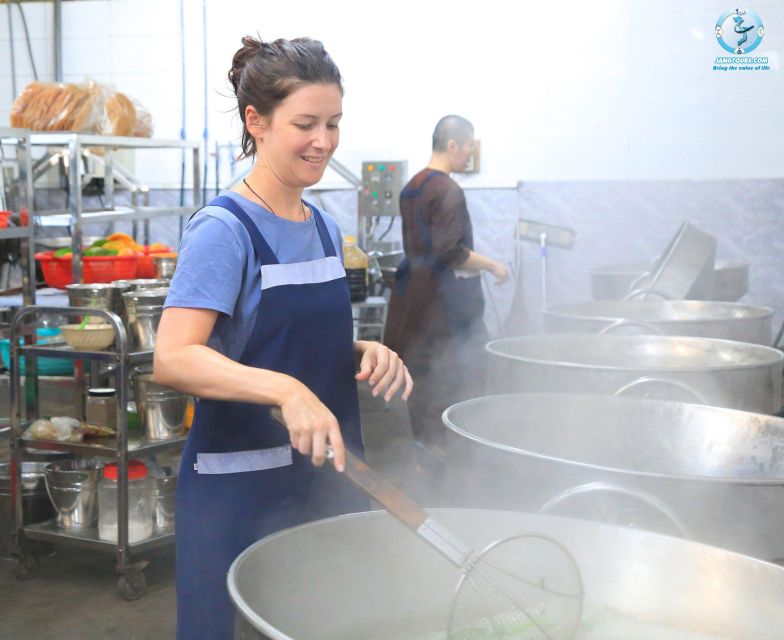
I really appreciate that you’re not just watching from the sidelines. You live alongside the monks and nuns, and you also do practical volunteer tasks like making cakes, tofu, or tea, plus painting fabric. The trade-off is that mornings are early, and the retreat keeps a strict vibe with rules about noise and short skirts.
For $99, you get full-board vegetarian meals, accommodation at the pagoda, a local guide on site, and an English-speaking instructor. You still handle your own transport unless you request pickup/drop-off. If you like structure and quiet, this can be a strong value for a full 3 days and 2 nights.
In This Review
- Quick hits before you go
- Getting to Phat Quang Pagoda: the 90 km trip that resets your mindset
- Day 1 in Vung Tau: arrival, first meditation, and volunteering in the afternoon
- Day 2’s early wake-up: Great Bell meditation, qigong, and more volunteer work
- Day 3: meditation, volunteer chores, prostrations, and a noon return
- Volunteer work here is spiritual practice, not just tasks
- Monks, nuns, chanting, and prostrations: what you’re signing up for
- Food and daily rules: vegetarian full board plus a respectful atmosphere
- Price and value: what $99 covers, and what it doesn’t
- Who should book this meditation retreat near Ho Chi Minh City
- Should you book it
- FAQ
- FAQ
- How long is the meditation retreat?
- Where is the retreat located?
- What is included in the price?
- What is not included?
- What language is the instructor?
- What time does the daily practice start?
- What kind of volunteer work do participants do?
- Are meals vegetarian?
- Are there rules about dress and behavior?
- Is it possible to cancel and get a refund?
Quick hits before you go
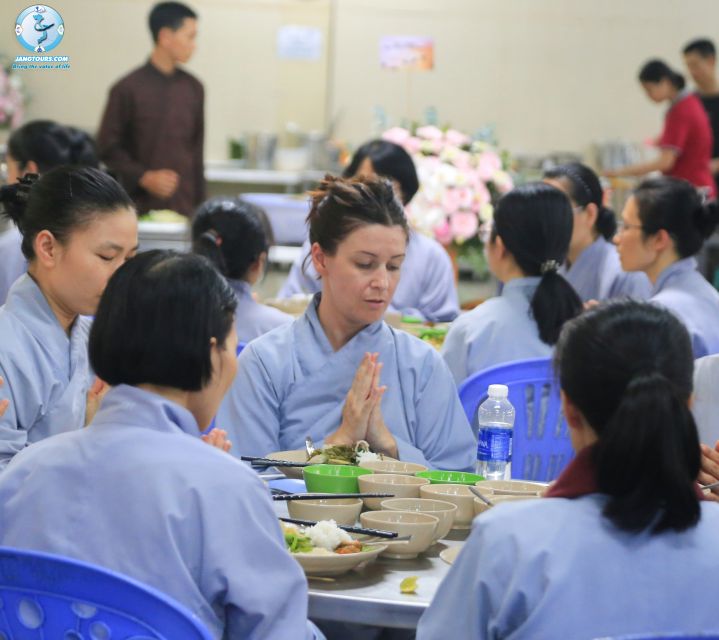
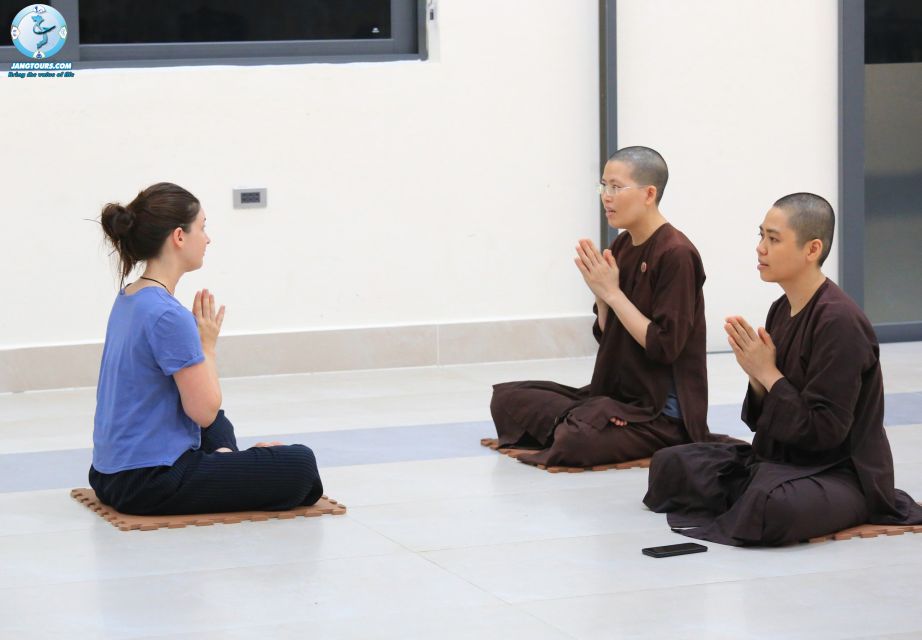
- Correct meditation technique with guided sessions built into each day
- Phat Quang Pagoda routine, including chanting and prostrations to Buddha
- Hands-on volunteer work (cakes, tea, tofu, fabric painting, and vegetable picking)
- Monks and nuns nearby so monastic life isn’t just a concept
- Early-morning Great Bell meditation at 4:00 a.m. to set the day
- Vegetarian full board plus dishwashing as part of daily practice
Getting to Phat Quang Pagoda: the 90 km trip that resets your mindset
This retreat runs out of Ho Chi Minh City, but the real action happens at Phat Quang Pagoda in the Vung Tau area. Plan for about 90 km from the city center, and roughly 2.5 hours of transfer time to get there.
That travel gap matters more than you might expect. Coming from Ho Chi Minh City traffic, you’re basically switching gears into a slower rhythm before the first meditation session. When the day starts with chanting and early bells, you’ll be glad you didn’t rush the logistics.
You can also read our reviews of more city tours in Ho Chi Minh City


Day 1 in Vung Tau: arrival, first meditation, and volunteering in the afternoon
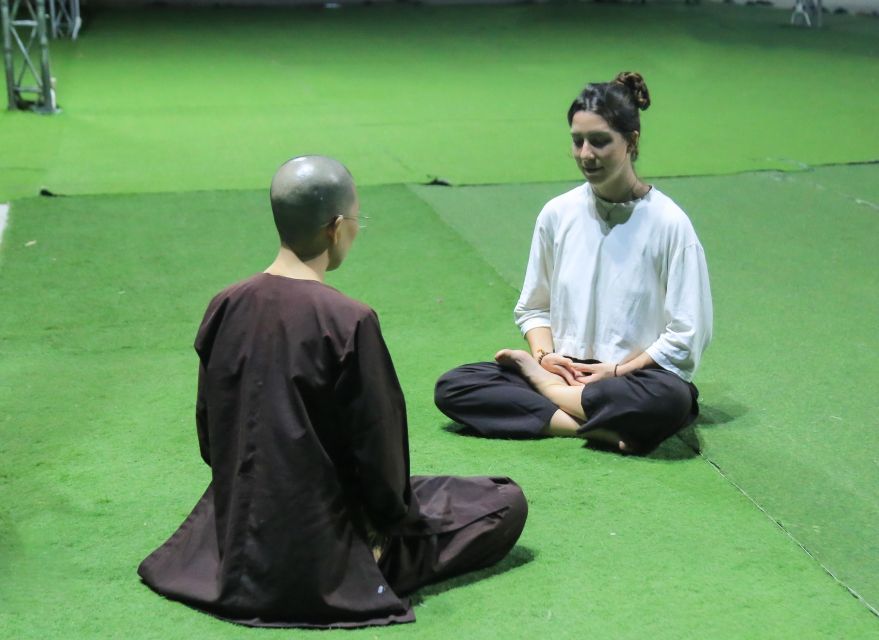
Day 1 starts with transfer time from Ho Chi Minh City to the pagoda. You’ll arrive and have vegetarian lunch around 11:00 to 11:30, then ease into practice with a meditation session from about 14:00 to 15:00.
The afternoon is where the retreat becomes more than sitting still. From 15:00 to 16:50, you’ll do volunteer work, with options like making cakes/tea/tofu or painting on fabric. It’s a hands-on way to learn how community life functions when meditation isn’t separated from daily chores.
Dinner is vegetarian, and after that you wash dishes (around 17:00 to 18:15). Then the schedule turns toward devotional practice: chanting from 18:30 to 19:00, reading books from 19:00 to 19:50, and then a late-evening block (around 20:00 to 21:30) that includes wholesome seed, prostration to Buddha, more meditation, and then sleep.
What to watch on Day 1: your energy may run ahead of the day. Keep your expectations realistic: the first day is part settling in, part learning how the routine works, and part setting your mental pace.
Day 2’s early wake-up: Great Bell meditation, qigong, and more volunteer work
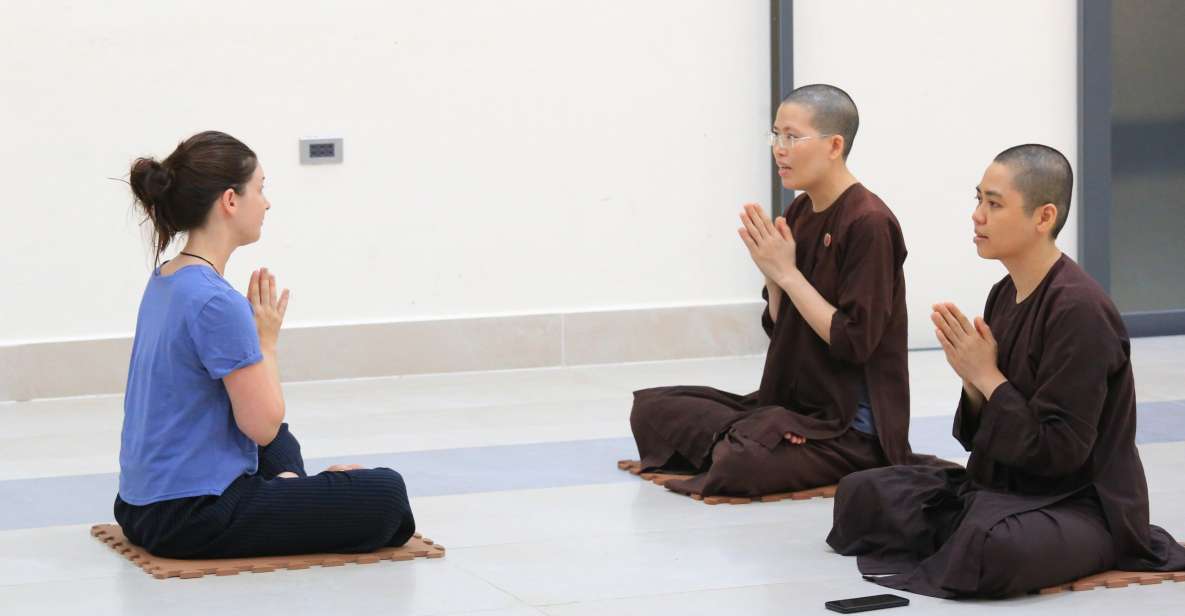
Day 2 is the big morning. At 4:00 to 6:00 you’ll join Great Bell meditation and chanting. This is the moment that can either feel intense or feel strangely clarifying, depending on your sleep and mindset.
From 6:10 to 6:50, you practice qigong/martial art. Even if your background is zero, the value here is discipline and coordination—moving your body with the same seriousness you bring to meditation.
Breakfast is quick, around 7:00 to 7:20, then volunteer work starts again from 7:30 to 10:30. This time, you might do cakes/tea/tofu again or add vegetable picking. It’s the same theme: practice isn’t only spiritual language. It’s also work done patiently with others.
After lunch around 11:00 to 11:30, you return to meditation at 14:00 to 15:00. Then another volunteering stretch from 15:00 to 16:50 includes making cakes/tea/tofu or cooking. Dinner follows from 17:00 to 18:15 with dishwashing, then chanting at 18:30 to 19:00, reading books from 19:00 to 19:50, and the evening closes with prostration to Buddha, meditation, and going to bed.
The best way to handle Day 2: focus on staying present rather than trying to judge how well you’re doing. The retreat teaches the correct meditation technique, but it also teaches how to keep showing up when your mind wants to wander.
Day 3: meditation, volunteer chores, prostrations, and a noon return
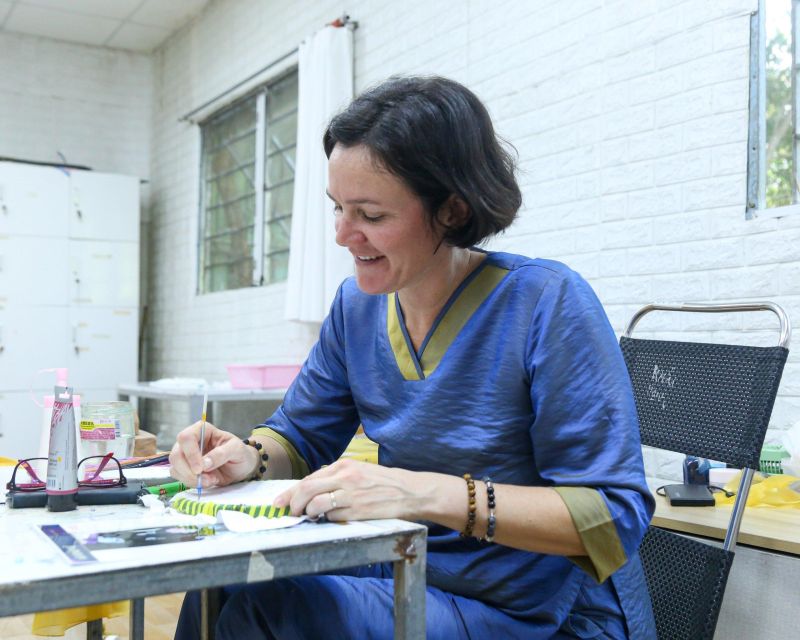
Day 3 repeats the early-morning pattern, because that’s part of the point. Great Bell meditation and chanting happens again from 4:00 to 6:00, followed by qigong/martial art from 6:10 to 6:50.
Breakfast is around 7:00 to 7:20, then volunteer work runs from 7:30 to 10:30. You’ll likely do the same kinds of tasks as before (cakes/tea/tofu and/or painting or picking vegetables). Vegetarian lunch is around 11:00 to 11:30, and then you head back to Ho Chi Minh City at 12:00.
Why the final day matters: by Day 3, you’ve already learned what a “normal” schedule looks like here. The prostrations and meditation sessions feel more like a continuation of rhythm, not a new event each hour.
Volunteer work here is spiritual practice, not just tasks
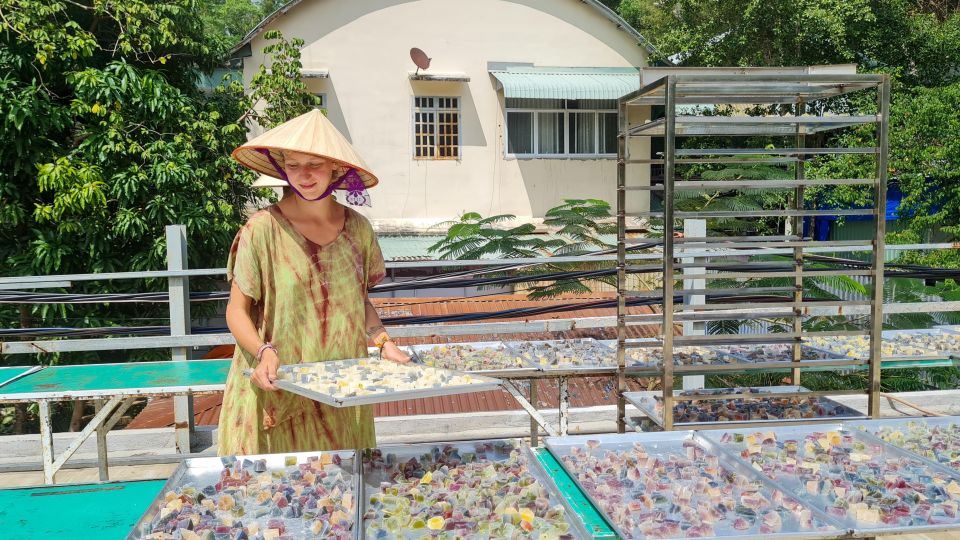
One of the strongest features is the volunteering component. It isn’t framed as optional sightseeing. The retreat describes volunteer work as part of gaining blessings for life and meditation.
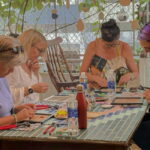
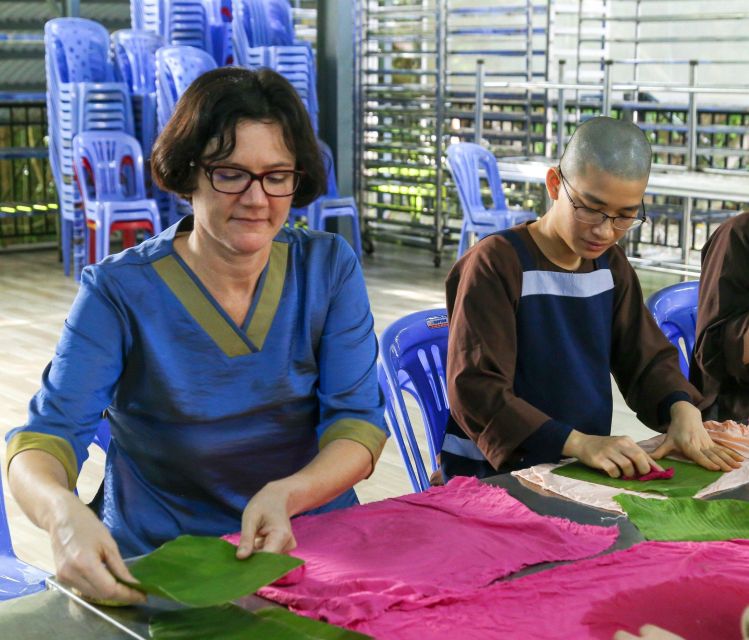
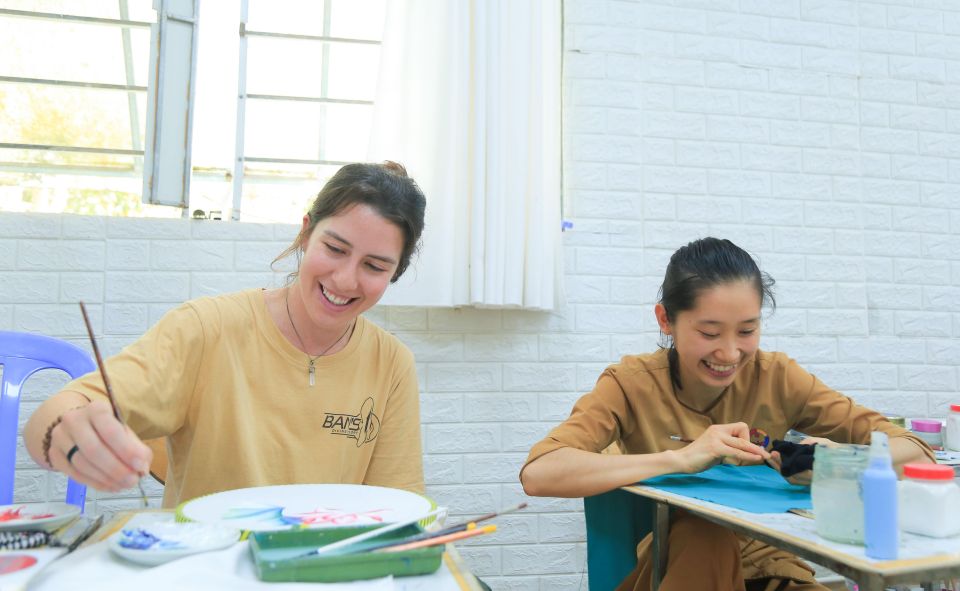
What you actually do is practical and varied. You may make cakes, tea, tofu, or paint on fabric. You may also pick vegetables and help with cooking. You’ll also wash dishes after meals. That mix keeps the retreat grounded.
Here’s the trick for getting value out of the volunteer time: slow down. Even if you’re fast, do the motions carefully and keep your attention on the present task. If you rush, you miss one of the hidden lessons: mindfulness applies when hands are busy too.
You can also read our reviews of more tours and experiences in Ho Chi Minh City

Monks, nuns, chanting, and prostrations: what you’re signing up for
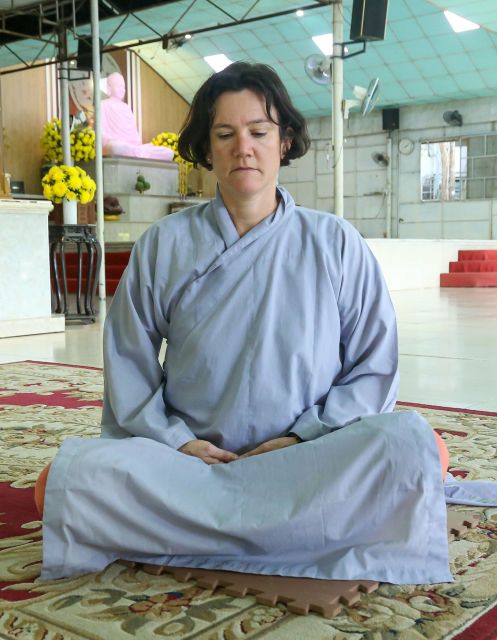
This retreat includes Buddhist rituals, and you participate in them as part of the daily flow. Expect chanting sessions in the evening, plus prostration to Buddha at set times across the stay.
You also read books (scheduled blocks appear both Day 1 and Day 2), and you live alongside the monks and nuns. That living arrangement is important. It turns “monastic life” from a story into something you experience through daily boundaries, routines, and respectful quiet.
Practical expectation: this is not a silent retreat where you spend three days in total hush. You’ll chant, do readings, and follow group timing. The point is attentive participation, not isolation.
If you’re curious about Buddhist doctrine, the retreat explicitly focuses on profound Buddhist teachings alongside meditation instruction. You won’t just learn a technique. You’ll hear the bigger framework that gives it meaning.
Food and daily rules: vegetarian full board plus a respectful atmosphere
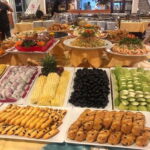
Good news first: full board vegetarian food is included. That means lunch and dinner are handled, and you’ll also have breakfast during each morning block.
The retreat also builds in dishwashing after dinner. It’s a small detail, but it supports the same lesson as volunteering: no one gets to treat care-work as beneath them.
Now the rules. You can’t bring alcohol or drugs, and you shouldn’t make noise. Short skirts aren’t allowed, so dress with modesty in mind. Bring clothes you can move in, especially for early sessions and qigong/martial art practice.
A real-world consideration: your free time may feel limited. If you like wandering around nature when you’re away from routine, you might find there simply isn’t time carved out for long garden walks.
Price and value: what $99 covers, and what it doesn’t
At $99 per person for 3 days and 2 nights, this can be strong value—mainly because meals and lodging are included. You’re also getting accommodation at the pagoda, entrance fees, a local guide on the spot, and an English instructor.
Daily transfers are the big missing piece. Transportation from/to the pagoda isn’t included, and pickup/drop-off with a guide requires reaching out ahead of time. Since the pagoda is about 90 km away from Ho Chi Minh City, it’s worth planning this early so you don’t end up scrambling.
One more value angle: you’re paying for structure. Meditation retreats can feel vague when nobody sets the routine. Here, the day is scheduled with meditation blocks, volunteering, chanting, reading, qigong, and prostrations. That reduces decision fatigue and helps you settle in faster.
Who should book this meditation retreat near Ho Chi Minh City
This retreat fits best if you want:
- Guided meditation instruction in a real retreat setting
- Buddhist study and rituals as part of the experience
- A schedule that supports focus rather than constant options
- Hands-on volunteer work that connects practice to daily life
- The chance to live alongside monks and nuns and observe monastic rhythm
Consider skipping or choosing something gentler if you want:
- A lot of free time for exploring the grounds
- A relaxed late-morning schedule
- A “luxury” vibe or lots of personal downtime
- More casual rules around noise and modest dress
Also, if you’re sensitive to early waking, know that the Great Bell meditation at 4:00 a.m. is part of every full day.
Should you book it
Book this retreat if you’re ready for a disciplined 3-day rhythm and you’ll appreciate meditation plus Buddhist rituals plus real community chores. The structure is the selling point, and the hands-on volunteer time is a big part of why it feels meaningful rather than purely instructional.
Skip it if you’re mainly looking for nature time, casual sightseeing, or a slower schedule. The retreat’s schedule moves, and you’ll need to go along with it to get the full value.
If you do book, plan modest clothing, expect early mornings, and treat volunteer work and dishwashing as part of your practice. That’s where this experience often turns from “activity” into transformation.
FAQ
FAQ
How long is the meditation retreat?
It runs for 3 days and 2 nights.
Where is the retreat located?
The retreat happens at Thien Ton Phat Quang Pagoda (Phat Quang Pagoda) in the Vung Tau area, with transfers from Ho Chi Minh City.
What is included in the price?
Included are a local guide on the spot, full board vegetarian food, accommodation in the pagoda, and entrance fees.
What is not included?
Transportation to and from the pagoda is not included, and the pickup/drop-off guide is also not included. You can request pickup/drop-off by contacting the provider.
What language is the instructor?
The instructor is English.
What time does the daily practice start?
Each day includes early sessions. The Great Bell meditation and chanting happens from 4:00 to 6:00 on Day 2 and Day 3 (and Day 1 includes meditation later in the day).
What kind of volunteer work do participants do?
You may help make cakes, tea, tofu, paint on fabric, cook, and pick vegetables.
Are meals vegetarian?
Yes. The retreat includes vegetarian meals (lunch and dinner) plus breakfast.
Are there rules about dress and behavior?
Yes. Short skirts aren’t allowed, alcohol and drugs are not allowed, and making noise is not allowed.
Is it possible to cancel and get a refund?
Cancellation is free up to 24 hours in advance for a full refund.