REVIEW · HO CHI MINH CITY
Cooking Class: 3 Course Traditional Meal by local Chef HCM
Book on Viator →Operated by The Provincial Table Cooking Class · Bookable on Viator
Three courses, one chef-led rhythm, and you’re cooking. This Ho Chi Minh City class turns classic Vietnamese dishes into an approachable, practical experience, with a private cook station and ingredients provided so you can focus on technique, not shopping. It’s also the kind of small-group format (up to 20 people) where questions actually get answered.
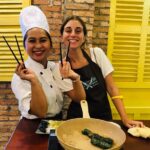
I especially love how the menu is built around everyday Vietnamese favorites you can taste and recreate later—spring rolls, Vietnamese pancakes, and pho showed up in recent classes I reviewed. I also like the feel of the instruction: chefs like Alice are described as warm, fun, and focused on keeping the session moving without rushing you through the basics.
One possible drawback: the cooking space can feel a bit tight, so if you’re someone who needs lots of elbow room, you’ll want to come ready to work close to your station and keep your gear organized.
In This Review
- Key Highlights at a Glance
- The Real Point of This 3-Course Cooking Class
- Where You Start in District 1 (and Why Location Matters)
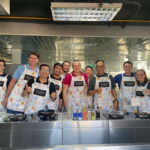
- Your Setup: Private Stations and a Maximum of 20 People
- What You Actually Make: Three Classic Dishes (and What That Teaches)
- Spring rolls: learning texture and assembly
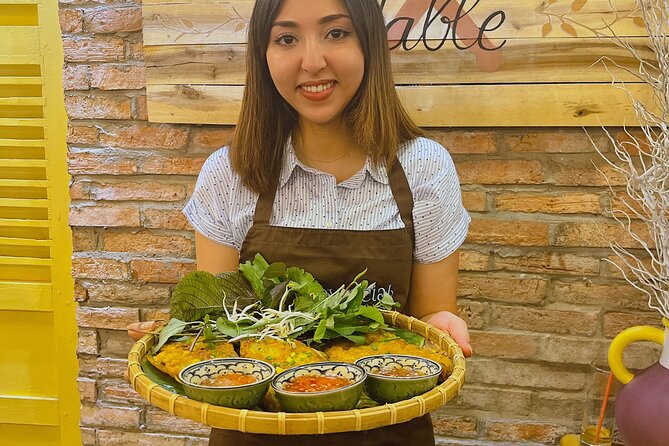
- Vietnamese pancakes: working with batter and heat
- Pho: learning the flavor backbone
- How the Class Fits Beginners (and When It Might Feel Too Basic)
- The Instruction Style: Fun Chefs, Clear Guidance, and a Recipe Book
- Timing: 3 Hours 30 Minutes You Can Actually Plan Around
- Price and Value: What $30 Gets You in Ho Chi Minh City
- The Small-Space Consideration (How to Make It Work for You)
- Who This Cooking Class Is Best For
- Should You Book This Cooking Class?
- FAQ
- What’s included in the 3-course cooking class?
- How long does the class run?
- How much does it cost?
- Where does the class start?
- Do I need to print anything?
- How big is the class group?
- Is free cancellation available?
- Are service animals allowed?
Key Highlights at a Glance
- Private cook station for each person, so you’re not just watching
- 3-course meal built around classic Vietnamese dishes
- Small group size (max 20) for more attention from the chef
- Beginner-friendly pace, with ingredients often prepped ahead
- Recipe book included so you can cook again at home
- Mobile ticket with confirmation at booking
The Real Point of This 3-Course Cooking Class
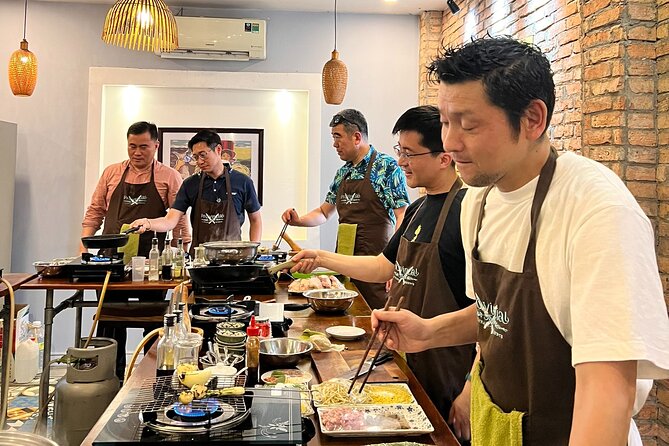
This experience is built for people who want to understand Vietnamese flavor without needing years of practice. You’re not studying food in theory. You’re working through three dishes as a team, but at your own station. That matters because Vietnamese cooking is all about timing and feel—heat level, seasoning balance, and texture—and you learn it faster by doing than by reading.
The class is described as interactive and chef-led, with daily menus of classic Vietnamese dishes. Across the dishes people mention most often—spring rolls, Vietnamese pancakes, and pho—you’ll see a wide slice of Vietnamese cooking: crunchy vs. soft textures, savory vs. aromatic broth-style flavors, and the way herbs and spices show up in everyday meals.
At $30 per person for about 3 hours 30 minutes, the value is solid if you care about learning and eating. You’re paying for (1) instruction, (2) ingredients, and (3) the chance to produce a full meal you can actually share and take photos of. If you’re purely looking for entertainment and don’t plan to cook, you might decide a food tour fits better. But if you want a hands-on skill set, this price sits in the “reasonable and worthwhile” zone.
You can also read our reviews of more cooking classes in Ho Chi Minh City
Where You Start in District 1 (and Why Location Matters)
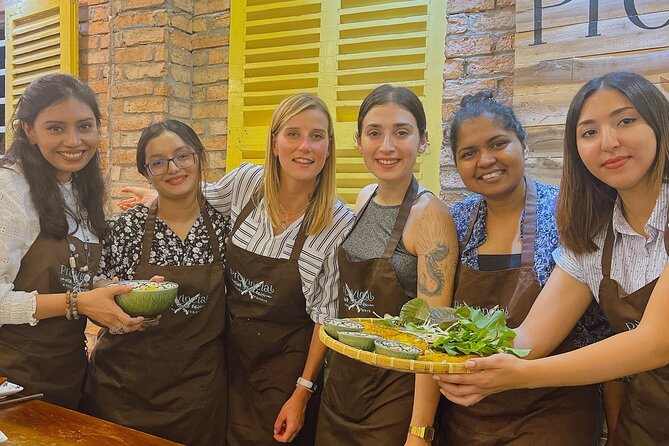
You meet at 131/3 Nguyễn Thị Minh Khai, Phường Phạm Ngũ Lão, Quận 1, Hồ Chí Minh 711106. The activity ends back at the same meeting point, which makes planning easy. Quận 1 is the part of the city where you’re most likely to already be staying, so you can often combine this with other meals and sightseeing plans afterward.
The class is also noted as being near public transportation, which is a big help in Ho Chi Minh City. Traffic can be unpredictable, so having a location that’s easy to reach by common routes reduces stress.
Also, you’ll get a mobile ticket, and confirmation happens at the time of booking. Translation: you’re not left guessing whether you’re on the list.
Your Setup: Private Stations and a Maximum of 20 People
One of the smartest design choices here is the private cook station for each guest. In many cooking classes, the kitchen ends up looking like a demo with a few hands-on steps. Here, the promise is that each guest has the tools and ingredients to assemble a meticulously put-together menu of classic Vietnamese dishes. In practice, that means you’re standing where the action is, not hovering behind someone else’s workstation.
The group limit—20 travelers max—also shapes the experience. You’re more likely to get quick feedback on what you’re doing: adjusting how you handle something, what to watch for as it cooks, and how to get the texture right. It’s the difference between “watch, then maybe try” and “try, then learn.”
What You Actually Make: Three Classic Dishes (and What That Teaches)
The daily menu includes classic Vietnamese dishes, and recent classes specifically mention spring rolls, Vietnamese pancakes, and pho. Even if the exact plates change a bit from day to day, the structure stays the same: three courses, chef-led steps, and you assembling what you’re learning.
Here’s why this trio is a great learning path:
Spring rolls: learning texture and assembly
Spring rolls are a practical entry point because you feel the results immediately. You work with wrapping and filling, then cook. The key skill you take home is understanding how texture changes with cooking—crispy vs. softer, and how seasoning has to make it through both filling and wrapper.
You can also read our reviews of more tours and experiences in Ho Chi Minh City
Vietnamese pancakes: working with batter and heat
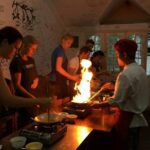
Vietnamese pancakes (often made as savory, foldable or pan-cooked styles) help you practice the “heat control” side of Vietnamese cooking. You learn how batter and toppings behave once they hit the pan. If you’re new to Vietnamese cooking, this kind of dish is forgiving enough to learn without feeling like everything has to be perfect on the first try.
Pho: learning the flavor backbone
Pho is the dish people associate with Vietnamese cuisine globally, and it’s also the most “flavor-focused” of the three. Instead of only learning one technique, you learn how aromatics and seasoning shape a bowl. The lesson isn’t just the taste—it’s how Vietnamese cooking builds depth.
In short: you get a mix of crunchy, pan-cooked, and broth-style flavors. That gives you a mental map of Vietnamese cuisine that goes beyond one single dish.
How the Class Fits Beginners (and When It Might Feel Too Basic)
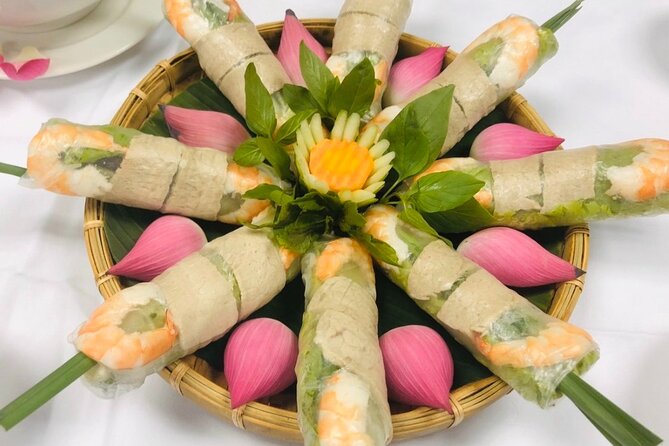
If you’re brand new to Vietnamese cooking, this is one of the better ways to start. The class format includes private stations and ingredients; plus, one review notes that ingredients are often mostly prepared already, making the session work well within the time limit. You’re more focused on basics and how to put things together than on starting from scratch.
That beginner-friendly setup is useful because it helps you succeed early. When you don’t have to wrestle with overly complex prep, you can concentrate on the parts that actually matter: assembly, seasoning, and getting the cooking step right.
Possible mismatch: if you’re an advanced cook who wants deep technique training, you might find the class leaves some big steps already done for you. In that case, you’ll still eat well and learn flavor logic, but you may not get the kind of hands-on craftsmanship you’re hoping for.
The Instruction Style: Fun Chefs, Clear Guidance, and a Recipe Book
A recurring theme in reviews is the chef’s personality and the class energy. In one featured review, Alice is described as warm and making things fun, while still keeping the instruction clear enough that people could produce three dishes they clearly enjoyed. Another review mentions a cheerful, skilled instructor and also highlights that the class includes a cookbook recipe at the end.
That cookbook detail matters more than it sounds. At home, you’ll forget small things: what order you added components, how thick you want batter, or how you balance seasoning. A recipe book gives you a second chance to make the dishes again without trying to recreate everything from memory.
Also, the fact that ingredients are described as freshly made with quality ingredients in at least one review supports the idea that you’re not just cooking from packaged shortcuts. You’re building a real meal.
Timing: 3 Hours 30 Minutes You Can Actually Plan Around
The duration is listed at about 3 hours 30 minutes. That’s long enough to create three courses without feeling rushed, but not so long that it eats your whole afternoon.
From a planning standpoint, I like this slot because you can schedule it before evening plans and still have time to explore Quận 1 afterward. Since the class ends where you start, you avoid the “what now” problem.
If you’re doing other activities that day—markets, museums, or just wandering—this length is manageable. It’s also a nice way to break up the day when you’re feeling food-curious but not sure where to start.
Price and Value: What $30 Gets You in Ho Chi Minh City
At $30 per person, you’re paying for more than a meal. You’re paying for instruction and the full ingredients to produce a three-course traditional Vietnamese meal.
Here’s how I’d judge value:
- You get chef-led guidance and a structured progression through three dishes.
- You get a private cook station setup that helps you learn by doing.
- You get ingredients handled in a way that supports both beginners and time management.
- You get a cookbook recipe guide at the end (not just a “good luck” and walk out).
- You’re not dealing with transport complexity at the end since you return to the meeting point.
If you compare the cost to buying three separate meals plus chef advice elsewhere, this still tends to come out as a decent deal—especially because you leave with skills and recipes, not only leftovers.
The Small-Space Consideration (How to Make It Work for You)
One review notes the space is very small (the snippet cuts off, but the point is clear). This can affect your comfort more than your food.
Here’s how to handle it:
- Keep your bag and phone within easy reach of your station so you’re not constantly moving around.
- Wear something breathable and simple. You may be standing and working close to your cooking area.
- If you’re sensitive to crowded spaces, arrive a few minutes early so you can get oriented before things get tight.
It won’t ruin the experience for most people. It just means you’ll want to treat it like a working kitchen, not a wide-open classroom.
Who This Cooking Class Is Best For
This class fits you best if you want:
- a hands-on Vietnamese cooking experience in Ho Chi Minh City
- a structured way to learn three classics instead of wandering the market with no plan
- a beginner-friendly start with ingredients often prepped ahead
- a chef-led session capped at a small size so questions are realistic
- a recipe book you can use later
It’s also a good option if you’re visiting as a couple, on a short trip, or traveling with another small group. The max group size and station setup make it feel personal.
Should You Book This Cooking Class?
Yes—if you want to leave Ho Chi Minh City with both a full meal and usable skills. The combination of private stations, chef-led instruction, and a three-course menu makes the $30 price feel like a practical learning investment, especially if you’re new to Vietnamese cooking.
Skip it (or choose something else) only if you’re looking for a lot of space to stretch out, or if you want advanced, from-scratch technique without any prep done for you ahead of time.
If your goal is to learn how Vietnamese dishes work and then repeat them at home, this is an easy yes.
FAQ
What’s included in the 3-course cooking class?
You get a chef-led cooking class where you prepare a traditional 3-course Vietnamese menu. You’re provided with a private cook station and the necessary ingredients to assemble the dishes.
How long does the class run?
The experience lasts about 3 hours 30 minutes.
How much does it cost?
The price is $30.00 per person.
Where does the class start?
The meeting point is at 131/3 Nguyễn Thị Minh Khai, Phường Phạm Ngũ Lão, Quận 1, Hồ Chí Minh 711106, Vietnam, and the class ends back at the meeting point.
Do I need to print anything?
No. It uses a mobile ticket.
How big is the class group?
The activity has a maximum of 20 travelers.
Is free cancellation available?
Yes. You can cancel for a full refund up to 24 hours in advance. If you cancel less than 24 hours before the start time, the amount paid is not refunded.
Are service animals allowed?
Service animals are allowed.