REVIEW · HO CHI MINH CITY
From Ho Chi Minh: 3-Day Mekong Tour&Cai Rang Floating Market
Book on GetYourGuide →Operated by Travel over the world · Bookable on GetYourGuide
A Mekong tour that doesn’t waste time. I especially like the early-morning Cai Rang floating market setup and the mix of temple stops with boat time and fruit-garden life. One thing to consider: the pace is full, and if you want a slower nature day, Tra Su Forest and Chau Doc may feel like a lot packed into one itinerary.
The people can make or break this kind of trip, and the guides here tend to bring it—names that come up include Vi, Lâm, Daisy, and Leo, with strong communication and a knack for answering your questions without rushing you. Just double-check whether your booking includes overnights, since the itinerary clearly has hotel nights in Can Tho and Chau Doc, but accommodation is listed as not included.
In This Review
- Key highlights you’ll care about
- Mekong Delta in 3 days: what you’re really signing up for
- Day 1: Cai Be fruit orchards, coconut treats, and canals on the Tien River
- Day 2: Cai Rang floating market, Khmer pagoda, and Tra Su Forest rowboat
- Day 3: Chau Doc floating village, Sam Mountain temples, lotus fields, and Go Thap
- Guides, comfort, and why the human touch matters here
- What’s included, what’s not, and the real value of $189
- Who should book this Mekong Delta tour—and who should skip it
- Should you book this 3-day Mekong Tour & Cai Rang Floating Market?
- FAQ
- Is accommodation included in the price?
- What does the tour cost, and what’s included?
- Are meals included?
- Is there an extra fee for solo travelers?
- What are the main places you visit?
- What’s the refund policy if plans change?
Key highlights you’ll care about
- Cai Rang floating market in the morning: best chance to see boats working and trading on the canals
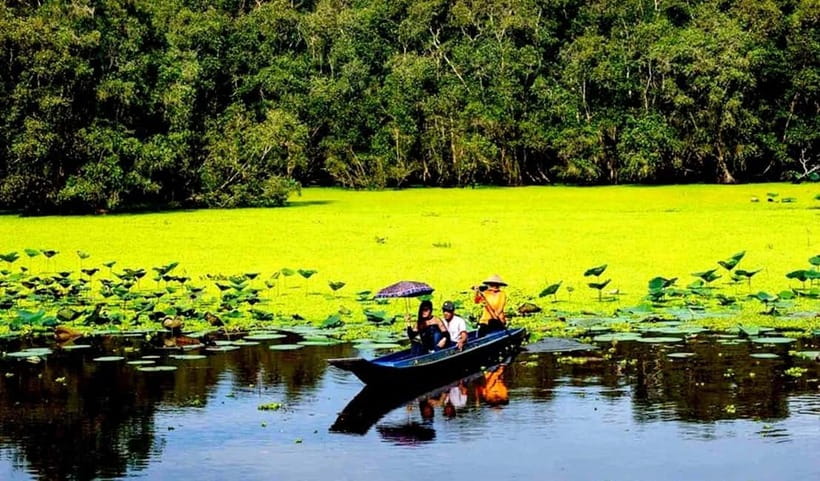
- Rowboat through the Tra Su Forest: mangrove views that feel more quiet than the markets
- Chau Doc markets + temples: everyday local life plus Buddhist sculpture stops around Sam Mountain
- Khmer and Cham culture stops: Munir Ansay Pagoda and Cham Village cultural heritage visits
- A guide who adapts: multiple guides are praised for being responsive and reorganizing plans when needed
Mekong Delta in 3 days: what you’re really signing up for
This is a classic Southern Vietnam “big loop” with a simple goal: show you the Mekong Delta’s working waterways and cultural stops without making you spend a week on buses. You’ll move between towns by transfer, then do real boat time on the rivers and canals—plus one bicycle stretch on Day 1.
The payoff is variety. You get the food-and-commerce side of the delta (Cai Rang and Chau Doc markets), the nature side (Tra Su Forest), and the spiritual side (pagodas, cave and mountain temples, and Buddhist sculpture work). You also get a taste of how daily life connects to water: markets are on boats, fruit orchards sit beside canals, and villages spill into the river system.
The trade-off is intensity. It’s not a “slow sightseeing” trip. It’s “see a lot, keep moving, and rely on your guide for the connections.” If you hate early starts or you want lots of free time, this may feel like a sprint.
You can also read our reviews of more shopping tours in Ho Chi Minh City
Day 1: Cai Be fruit orchards, coconut treats, and canals on the Tien River
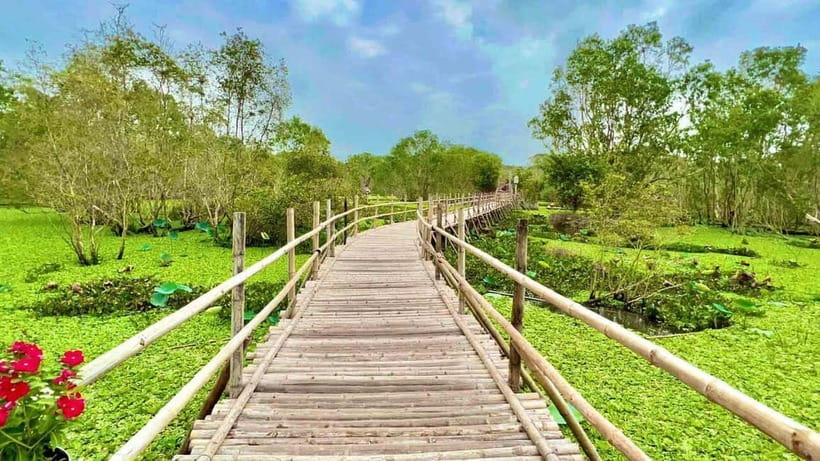
The tour starts with pick-up in Ho Chi Minh City around 07:30, then you head toward Cai Be. Day 1 is built around the Upper Mekong Delta feel: river travel, orchard gardens, and village scenes.
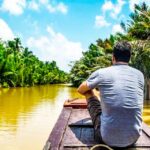
In Cai Be, the boat ride on the Tien River is the main event. This area is often described as the Lower Mekong’s fruit basket, and the route is planned to make that make sense. You’ll pass orchard landscapes, local villages, and older houses—plus you’ll get a sense of how people live with the river rather than around it.
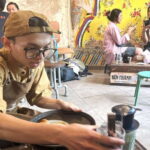
A smart detail here is the food/handmade stop. You’ll visit a family business producing coconut fudge and crispy rice popcorn, then taste fresh fruit along the way. It’s not just a snack stop; it’s a window into small-scale production that supports the daily economy around the waterways.
You’ll also get cultural entertainment and “hands-on-ish” time. There’s Southern Vietnamese folk music during the experience, and you’ll paddle through scenic canals in the Upper Mekong Delta. Later, lunch is set up so you can eat Vietnamese specialties in a local garden setting, then keep exploring—this day also includes cycling through orchards and interacting with islanders for daily-life context.
One practical note: Day 1 includes a lot of activity in the morning and early afternoon, then you move on to Can Tho for an overnight stay. If you’re prone to travel fatigue, hydrate early and don’t assume you’ll have long downtime.
Day 2: Cai Rang floating market, Khmer pagoda, and Tra Su Forest rowboat
Day 2 is the one people tend to remember most. You start early—breakfast at the hotel around 06:00, then a boat ride on scenic tributaries of the Hau River into the area of the Cai Rang Floating Market.
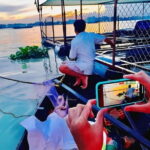
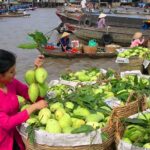
Cai Rang matters because it’s not a static photo spot. Boats are working and trading. This is the place to watch how locals move goods on the water—fruit, food items, and everyday supplies—while the morning energy rolls on.
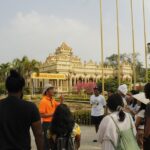
After the floating market, you’ll walk through a local noodle factory and then visit Munir Ansay Pagoda, described as a well-known Khmer temple with unique architecture. This adds contrast: markets and manufacturing on water, then a calmer cultural stop where you can see how Khmer heritage shows up in the delta.
Next, you travel by boat again to the Con Son tourist area for a fruit plantation visit and seasonal fruit tasting. It’s a theme day—food, water, and how orchards tie into daily life.
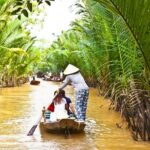
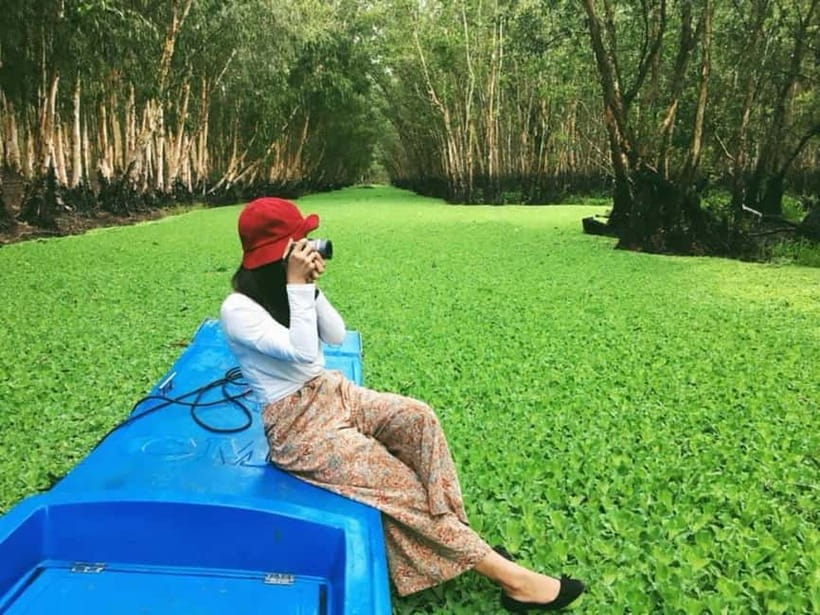
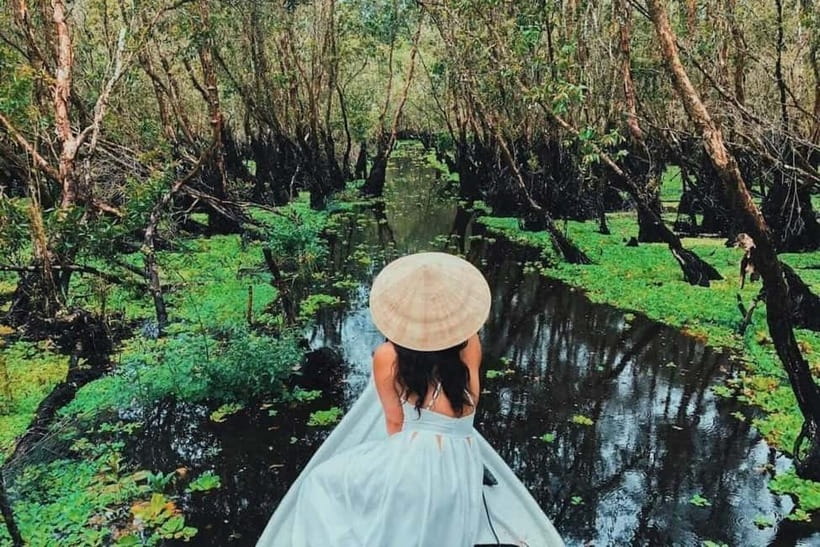
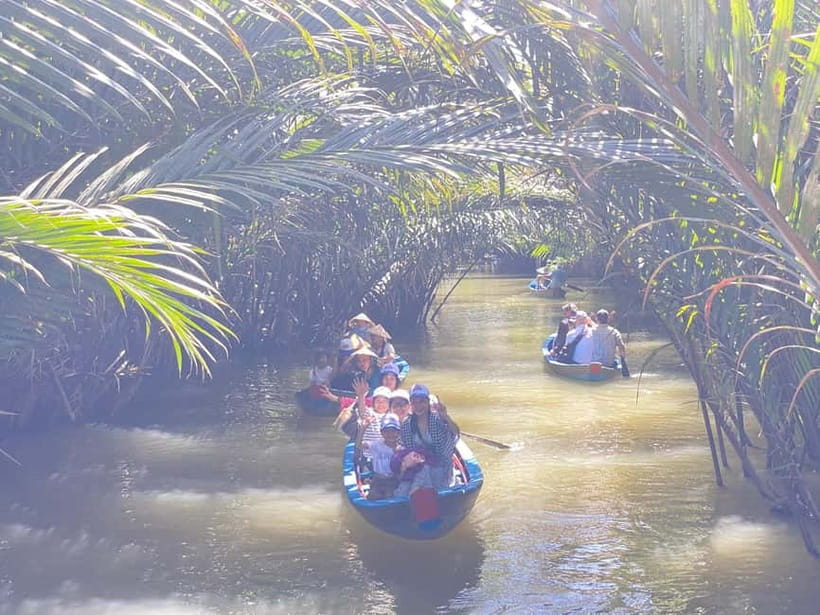
Then the itinerary shifts to nature with Tra Su Forest in An Giang. The key experience here is the rowing boat journey through the mangrove forest, where the views are framed by green waterways and dense vegetation. You check into your hotel at the end of the day, then have dinner at a local restaurant.
Balanced advice: the day is long and full. One review-related tip that’s worth taking seriously is this—if you’re trying to keep expectations realistic, don’t assume you’ll “slow down” in Tra Su. It’s beautiful, but it’s not a free-form nature retreat. It’s scheduled, guided, and structured.
Day 3: Chau Doc floating village, Sam Mountain temples, lotus fields, and Go Thap
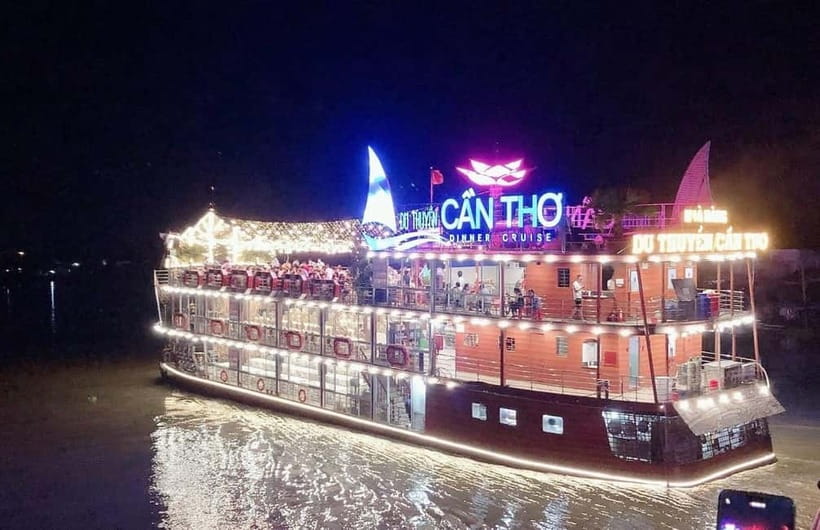
On the final day, you start with breakfast and then head into Chau Doc culture and scenery. You’ll visit the floating village and the Cham Village, focusing on cultural heritage shared between the Cham people and the Mekong Delta region. This is one of those “context stops” that makes the markets feel more meaningful—because it connects what you saw on boats to a living community.
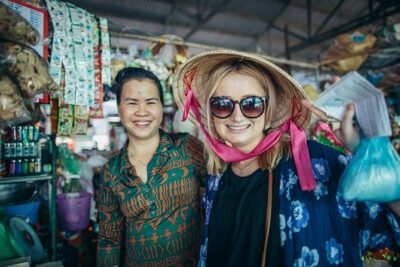
After that, you’ll explore the Chau Doc Market, described as a lively hub of local life. Expect fresh produce, handcrafted goods, and Cambodian imports, along with strong smells from local delicacies. This is a good moment to slow down slightly and practice “normal travel” behavior: pause, look around, ask your guide what you’re seeing, and snack if you want.
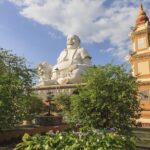
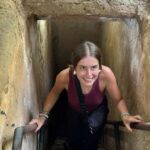
Next comes Hang Temple on Sam Mountain. You’ll ascend a path surrounded by lush greenery to reach a cave sanctuary, then see intricate Buddhist sculptures. It’s a very different feel from the river markets: quieter, more reverent, and built around stone and spiritual artwork.
You’ll also visit Ba Chua Xu Temple, a site locals revere for prayers for good fortune. Then there’s a leisurely lunch before you head to the lotus fields, especially good when they’re in bloom.
Finally, after lunch and sightseeing time, you visit Go Thap historical site before returning toward Ho Chi Minh City.
A practical consideration: Day 3 includes multiple religious sites and one mountain climb. If you have knee issues or you hate stairs, tell your guide early. The schedule is fixed, but your comfort choices are still important.
Guides, comfort, and why the human touch matters here
This tour lives or dies on the guide. The experience is built around timing and transitions—boats need to be caught, markets have morning windows, and temple visits have a rhythm. The strongest feedback you’ll see focuses on guide personality and clarity.
Names that come up include:
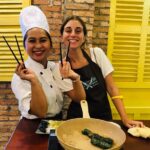
- Vi: friendly, knowledgeable, and good at explaining what you’re seeing
- Lâm: articulate, reliable, and humorous with lots of life-on-the-Mekong context
- Daisy and Leo: helpful, responsive, and always ready for questions
One especially useful theme from the guide stories: flexibility. If a group has connections later (like heading toward Cambodia), the guide may adjust the flow so you don’t miss key planned moments. That’s not just nice—it’s how you protect value in a tight three-day trip.
On comfort: the tour includes entrance fees, transfers, and meals on selected days (lunch and dinner on some days). Accommodation is flagged as not included, though the overnight nights in Can Tho and Chau Doc are clearly part of the plan. So you’ll want to confirm what your booking includes and what room type changes might cost—especially if you’re traveling alone. There’s a listed single-room extra fee of 900,000 VND for solo travelers.
You can also read our reviews of more tours and experiences in Ho Chi Minh City
What’s included, what’s not, and the real value of $189
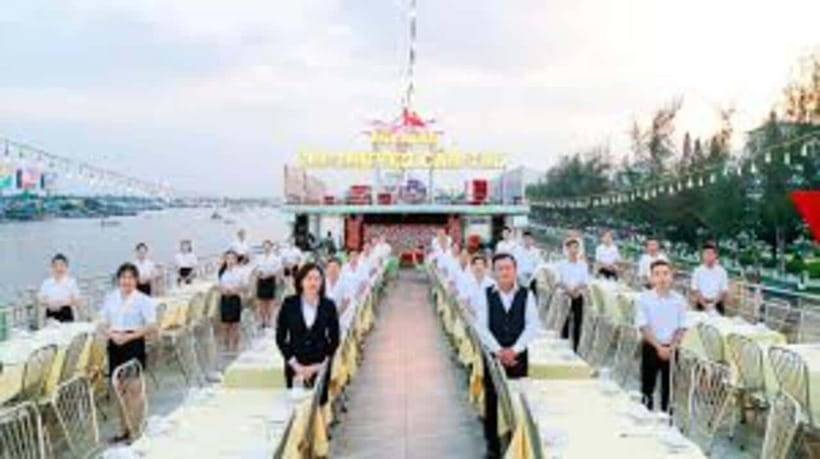
At $189 per person, the price is trying to cover the things that are expensive or hard to self-organize quickly in the delta. Based on the provided details, you get:
- Transfers
- Boat rides
- Bicycle rental
- Lunch and dinner on selected days
- Entrance fees
- An English-speaking guide
That combination can be a big deal. In the Mekong Delta, the “cost” isn’t only cash—it’s time and coordination. Boats, market timing, and cross-region transport are exactly the parts that chew up your energy if you DIY it.
What’s not included is where you should budget carefully. Accommodation is not included. That means your final trip cost depends on where you stay and whether you choose a private room. Also note the single room fee mentioned above.
So the best value question isn’t just “Is $189 cheap?” It’s: does the tour bundle enough of the hard parts that you’d otherwise pay for separately in transport, guides, and tickets? Here, the answer is usually yes—especially if you want an English guide to explain how things work on the canals and in the markets.
Who should book this Mekong Delta tour—and who should skip it
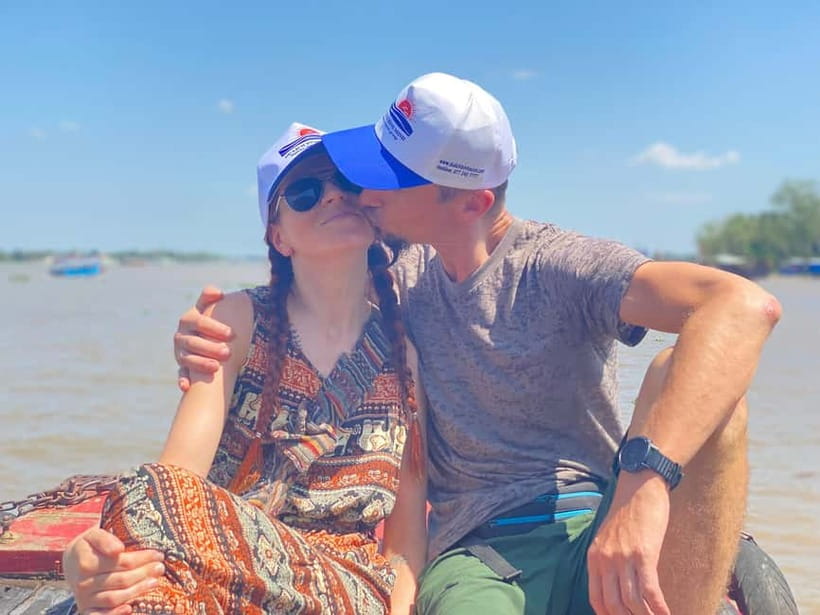
You’ll like this tour if:
- you want three days that cover Cai Rang, Tra Su Forest, and Chau Doc without planning the connections yourself
- you enjoy markets, food stops, and cultural sites more than empty beach time
- you prefer an English-speaking guide to translate daily-life context—why certain boats are there, what pagodas mean, and how communities fit into the delta
You might skip or adjust expectations if:
- you need downtime every day
- you’re sensitive to early mornings and packed schedules
- you’re hoping for a long, unstructured nature day at Tra Su rather than a guided forest rowboat experience
Should you book this 3-day Mekong Tour & Cai Rang Floating Market?
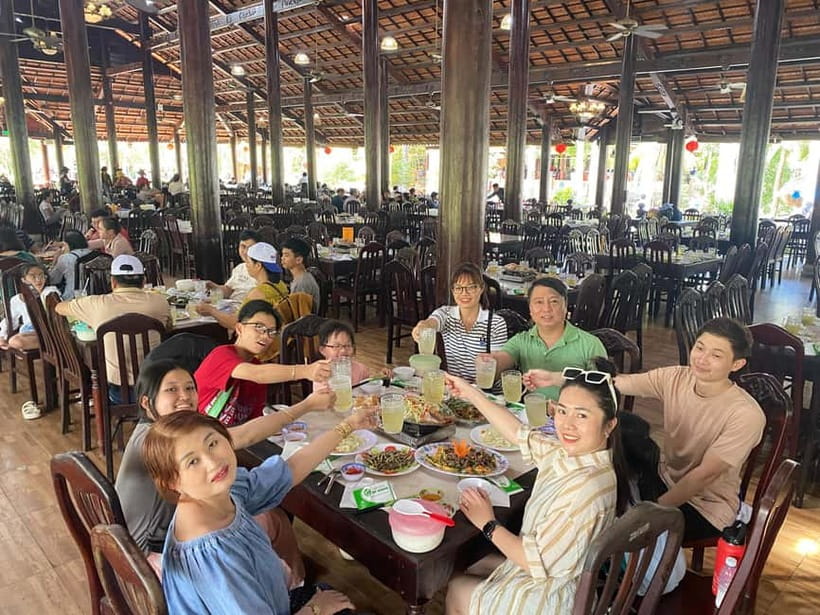
If you want a strong snapshot of the Mekong Delta that balances water life, temples, and nature, this one makes sense. The big selling points are the Cai Rang morning boat market window and the Tra Su Forest rowboat contrast, plus the cultural layering around Chau Doc and Sam Mountain.
My call: book it if you value efficiency, clear guidance, and a trip that hits the main delta highlights in a short time. Just go in knowing it’s active. Pack for boat days and temple walks, and confirm your accommodation setup early so there are no surprises when overnight nights come into play.
FAQ
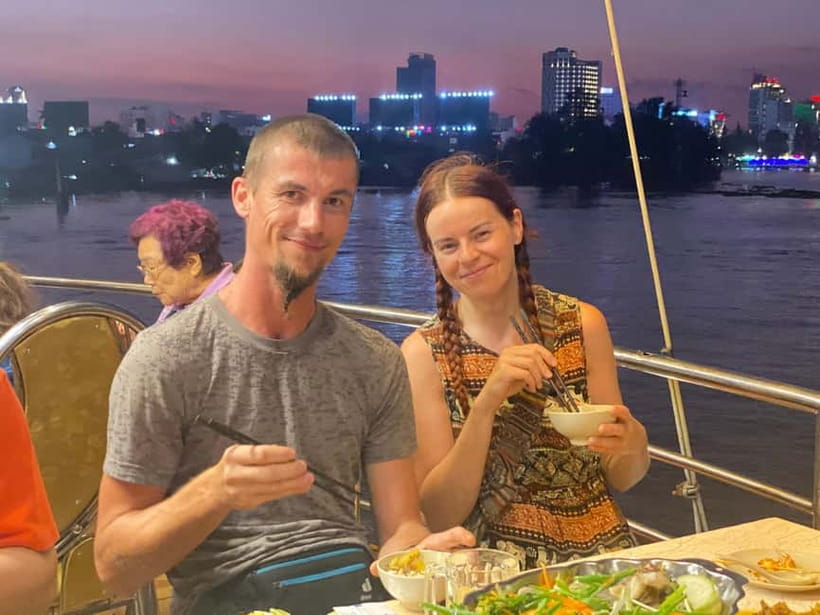
Is accommodation included in the price?
Accommodation is listed as not included. The trip includes overnight stays in Can Tho and Chau Doc, so you’ll want to confirm what your booking includes for hotels.
What does the tour cost, and what’s included?
The price is $189 per person. Included items are transfers, boat rides, bicycle rental, selected lunches and dinner, entrance fees, and an English-speaking guide.
Are meals included?
Yes, lunch and dinner on selected days are included. Breakfast timing is also part of the daily plan, but the details of which breakfasts are included aren’t fully spelled out.
Is there an extra fee for solo travelers?
Yes. There’s an additional 900,000 VND for an extra single room when traveling alone.
What are the main places you visit?
Key stops are Cai Rang Floating Market, Tra Su Forest (with a rowing boat experience), Chau Doc Market, plus cultural and temple visits like Munir Ansay Pagoda and Hang Temple.
What’s the refund policy if plans change?
You can cancel up to 24 hours in advance for a full refund.