REVIEW · HO CHI MINH CITY
Hands-On Vietnamese Cooking Lesson in Small Group
Book on GetYourGuide →Operated by Saigon Cooking Class · Bookable on GetYourGuide
Cooking dinner in Vietnam beats ordering it.
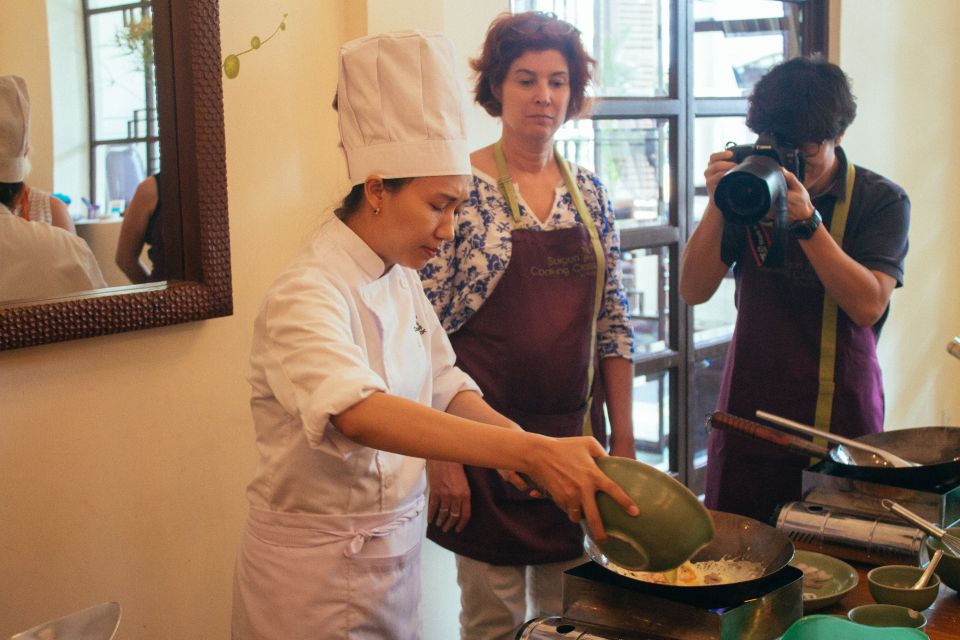
This is a hands-on Vietnamese cooking lesson where you don’t just watch. You work side-by-side with the chef, and I especially like that everyone gets their own materials and ingredients, so you actually practice the techniques. You also cook, taste, and move dish to dish within the 3-hour block, which keeps the pace fun and the hunger satisfied. One possible drawback: some ingredients may be pre-prepped to keep things smooth, so if you want to do every tiny step from scratch, set your expectations accordingly.
I also like the warm, organized kitchen vibe and the fact that the food is built around natural ingredients and herbs. You’ll sip water and iced tea while you cook, then eat what you make—no waiting for a separate restaurant meal. The class can be adapted for vegetarians or allergies, but you need to flag your needs when you book.
Logistics are straightforward: the class runs 10:00 AM to 1:00 PM, and the instructor teaches in English. The meeting point is at 80 Nguyen Trai Street, District 1—take the small alley, and look for the group to your left.
In This Review
- Key things that make this class worth your morning
- A 10:00 AM kitchen routine in District 1
- Hands-on learning, not a cooking show
- What you’ll cook: Vietnamese classics in a 3-course flow
- Step-by-step technique with Vietnamese ingredients and herbs
- Eating what you cook: timing that keeps it fun
- Vegetarian and allergy requests: you need to speak up early
- Digital recipes you can use again (even if you cook casually)
- Price and value: why $33 can beat a restaurant lunch
- Who should book this Vietnamese cooking lesson?
- Should you book? My decision guide
- FAQ
- What dishes do I cook in the class?
- How long is the cooking lesson?
- What’s included in the price?
- Is the instructor able to teach in English?
- Can the menu be adapted for vegetarians or allergies?
- Where do I meet the group?
Key things that make this class worth your morning
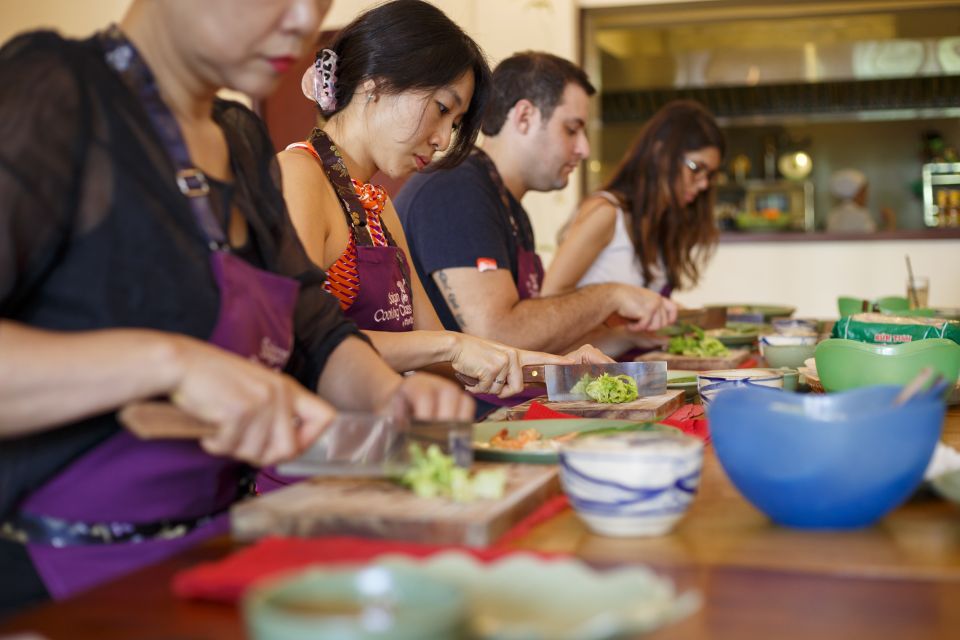
- Cook and eat the same day: You make a 3-course meal and taste it as you go.
- Small-group feel: Sessions can be as small as 1:1 or just a few people, so you get attention.
- Real kitchen tools and workflow: You learn with Vietnamese kitchenware, not just a lecture.
- Chefs with strong English and patience: Names you may hear include Viviane, Vy, Wan, Oanh, and Lei.
- Diet swaps are possible: Tell them vegetarian needs or allergies ahead of time.
- Take-home digital recipes: You leave with a recipe folder you can use again later.
A 10:00 AM kitchen routine in District 1
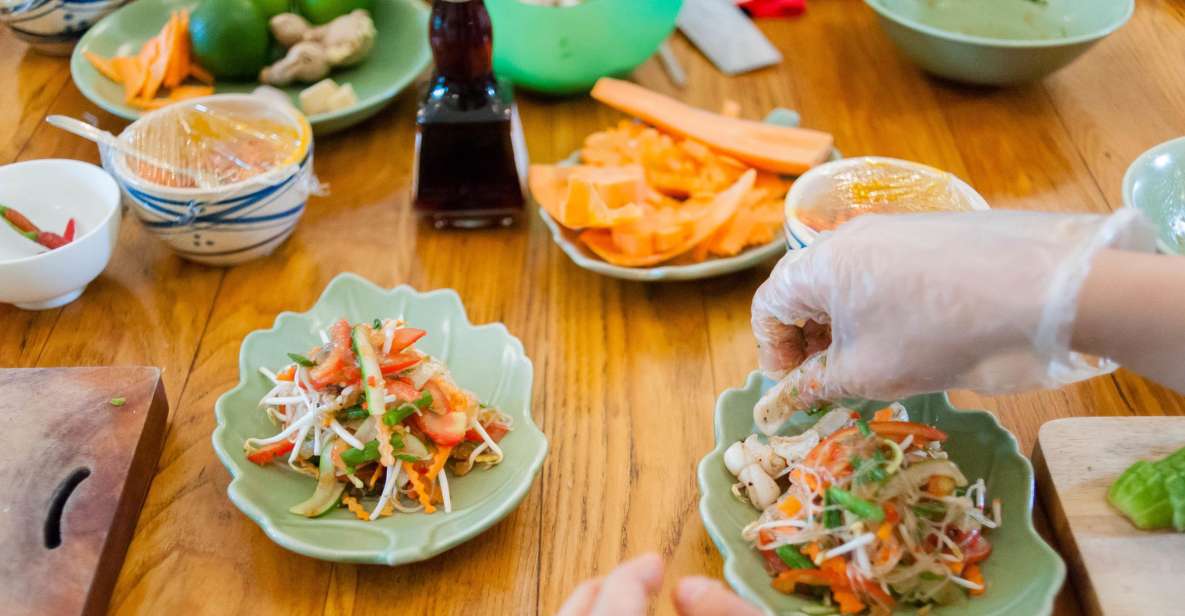
This is the kind of activity that fits perfectly into a travel morning. You’re at the meeting point around 10:00 AM, then you’re in the kitchen working by step-by-step instruction instead of wandering and hoping to find a place that serves lunch quickly.
The location is in District 1 at 80 Nguyen Trai Street, and the directions matter. Take the small alley, then find the group on your left. It’s the sort of meeting point where arriving on time helps, because the class flow depends on everyone being there together.
Most sessions run for 3 hours, so you’re not signing up for an all-day cooking quest. It’s long enough to actually learn a process (prep → cook → taste), but short enough that you can still enjoy the rest of the day.
You can also read our reviews of more cooking classes in Ho Chi Minh City
Hands-on learning, not a cooking show
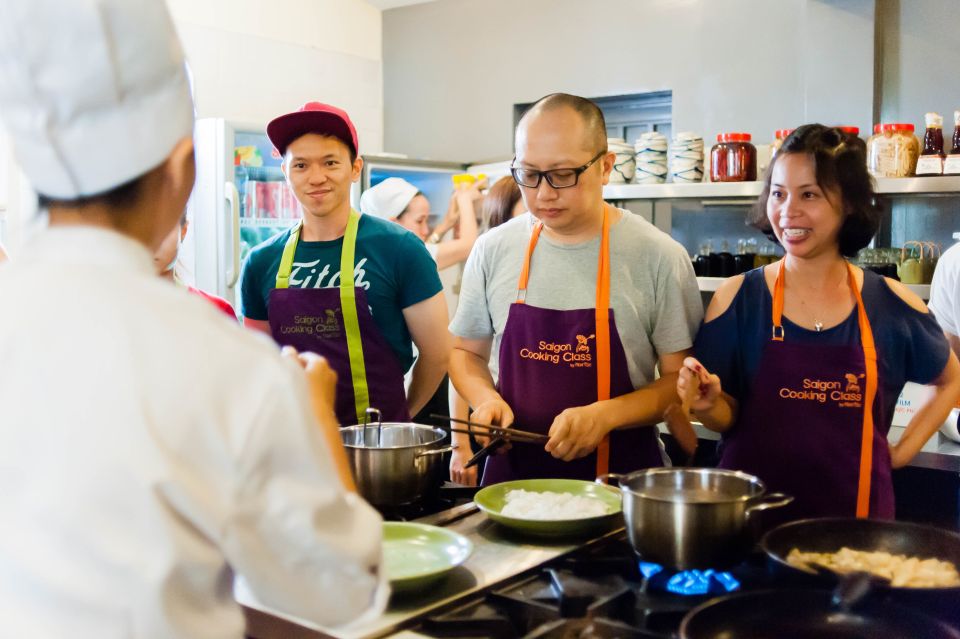
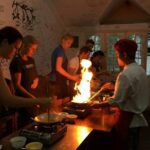
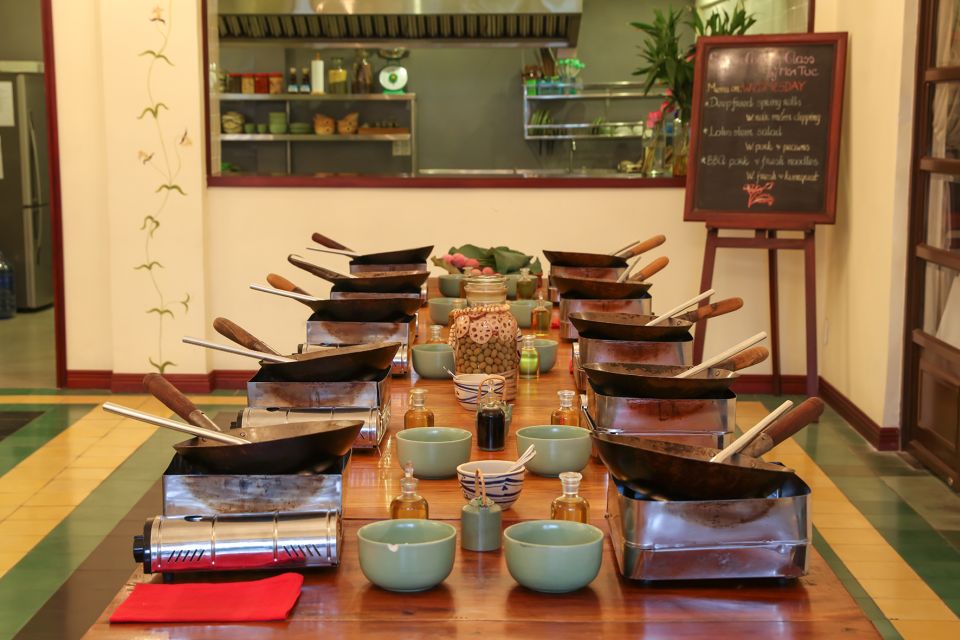
The best thing about this class is how it’s built around participation. You follow the chef’s demonstration, then you cook your portion alongside the rest of the group. The setup is designed so you’re not stuck watching someone else mince garlic while you take notes.
From what you’ll experience, you’ll likely cover the basics you need for Vietnamese home cooking: how ingredients behave, what order things should go in, and how to adjust texture and flavor as you go. People mention the guidance is clear and the team stays helpful throughout, including with questions.
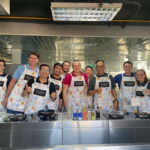
A small-group format really shows up here. When classes run with only a couple of people, you get more direct feedback, and you can move at a pace that feels comfortable. Even when the group is larger, the kitchen layout and the “everyone has materials” approach keeps you busy.
What you’ll cook: Vietnamese classics in a 3-course flow
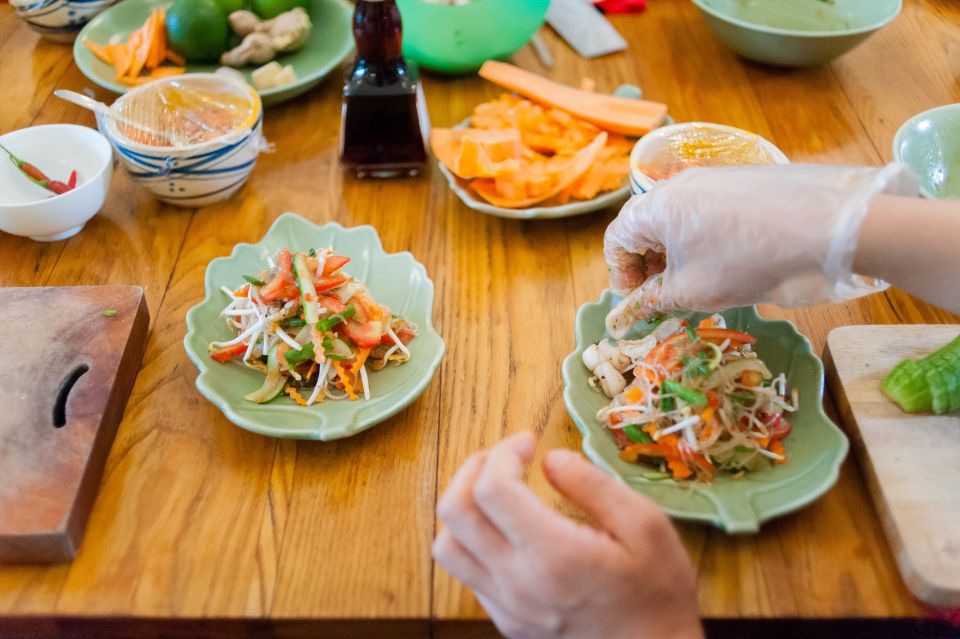
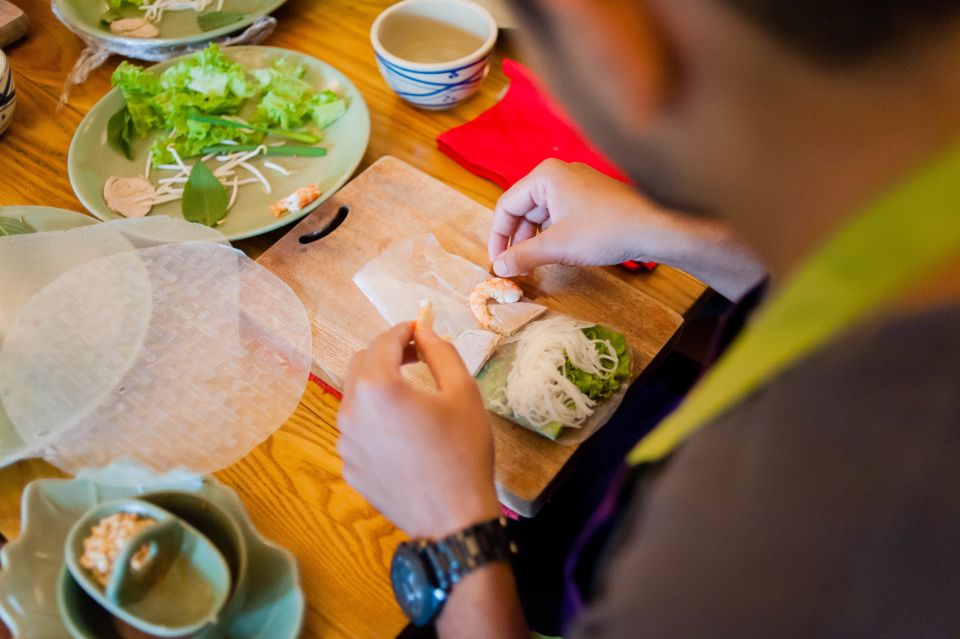
Menus can vary depending on the day, and the class is designed to stay flexible. Still, the dishes you’re likely to cook fall into recognizable Vietnamese favorites—especially things like spring rolls, pho, and salads.
Across sessions, you may find classics such as:
- Spring rolls (often a starter or snack component)
- Pho (a noodle soup option in some menus)
- Bun cha (seen in at least one described menu set)
- Bánh xèo (a savory Vietnamese pancake that’s usually a hands-on highlight)
- Mango salad and similar fresh salads
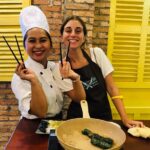
The key point isn’t which exact dish appears—it’s that the class is structured so you cook and eat a multi-course meal. Multiple people specifically liked that the course rhythm is practical: you make something, you taste it, then you move on. That turns the lesson into an actual meal, not just an exercise.
If you’re wondering about “four-course” vs “three-course,” the consistent promise is that you cook and eat a 3-course meal. Either way, the outcome is the same: you leave having made a real Vietnamese lunch on your own hands, not just learned recipes.
Step-by-step technique with Vietnamese ingredients and herbs
Vietnamese cooking is built on a balance: fresh herbs, aromatic bases, and sauces that give depth without heaviness. That’s why this class focuses on traditional ingredients rather than “international shortcuts.”
You should expect to learn about herbs and flavor ingredients that shape dishes—things like the aromatic notes that show up in Vietnamese salads and soups, and how herbs are used rather than treated like garnish. Since the class uses natural ingredients and herbs, your dishes should taste like the real thing, not like an imitation.
You’ll also get familiar with Vietnamese kitchenware and how it changes the workflow. Even if you’ve cooked at home before, seeing how Vietnamese tools and layouts support speed and consistency helps you understand why certain techniques work.
One practical note: a few people mention that some prep is already done. That’s not a bad thing—it keeps the class on time—but it does mean you might not get to perform every single micro-task (like mincing every ingredient yourself). If that matters to you, it’s worth asking questions during the session so you can understand what you’re doing and why, not just what step comes next.
Eating what you cook: timing that keeps it fun
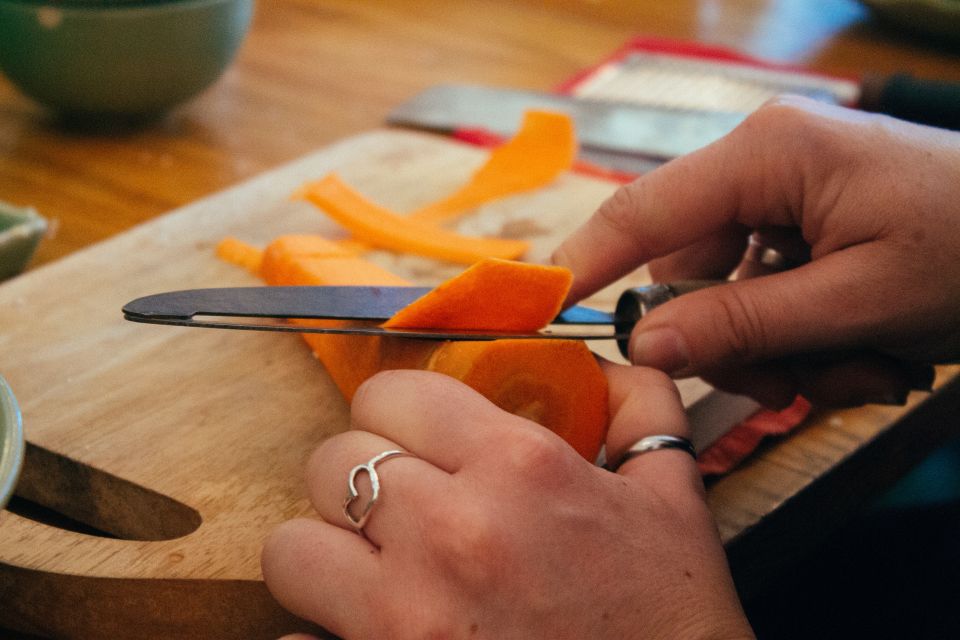
This class does something simple but smart: it builds in food at the right moments. You cook, then you eat that same dish before moving to the next one. People repeatedly describe this as a highlight because it keeps energy up and removes the usual cooking-class tension of finishing and then realizing you have to wait too long to eat.
It also helps you learn flavors in context. If your sauce tastes slightly off, you can identify what you might need next time—before the session ends—because you’re tasting in real time.
And because you’re in a clean, organized kitchen environment, the day feels easy to manage. Scheduling is usually tight, and the team keeps things moving so you aren’t stuck in one station for the whole 3 hours.
You can also read our reviews of more tours and experiences in Ho Chi Minh City
Vegetarian and allergy requests: you need to speak up early
The class can be adapted for vegetarians or for people with food allergies, but the important part is timing. You should specify your needs during booking so the kitchen can plan the ingredient list accordingly.
That’s also where small details matter. Vietnamese dishes often rely on broth, fish sauce, shrimp paste, and other ingredients that aren’t always obvious if you’re scanning menus quickly. The best way to protect your meal is to make sure the chef knows your limits ahead of time.
If you’re vegetarian, you’ll want to clarify what you eat and what you avoid. If you have allergies, describe them clearly rather than using vague language. The class can adapt, but adaptation is only as good as the information you provide.
Digital recipes you can use again (even if you cook casually)
You’ll take home a digital folder of recipes. That’s a practical win if you don’t want to carry paper, or if you want the recipes stored in your phone for easy use later.
A common expectation is that the recipe pack focuses on what you cooked in the class. That means you’re leaving with a tight set of instructions that match your experience and flavor results. Some people would have liked more variety beyond the dishes cooked that day, but the trade-off is that these recipes are usually the ones you’re most likely to recreate with confidence.
If you want to go one step further after class, use the recipes as your base. Vietnamese cooking often becomes easier once you understand one core sauce, one herb mix, and one noodle/rice technique—then you can swap components.
Price and value: why $33 can beat a restaurant lunch
At $33 per person for about 3 hours, the value depends on one thing: whether you want skills or just a meal. This class gives you both. You’re paying for instruction, ingredients, and a structured learning experience—not just food.
In practical terms, the class can still feel like a deal even if you love eating out, because:
- You get a full meal you actually cooked.
- You learn ingredient behavior (how flavors build, not just what goes in).
- You leave with recipes, so the cost spreads out over future dinners.
Also, restaurant meals in central areas can add up fast. Here, you’re essentially turning your lunch into a mini workshop. The price is low enough that it feels like a smart add-on, not a high-stakes splurge.
Who should book this Vietnamese cooking lesson?
This one fits best if you:
- Want hands-on Vietnamese cooking rather than a demo-only experience
- Like group activities but still want attention from the chef (small-group setup)
- Enjoy learning about ingredients and how they work together
- Plan to cook again at home and want recipes you can trust
It’s also a good choice if you’re traveling solo and want a friendly way to meet people without it becoming a huge tour bus thing. Multiple sessions run with very small numbers, and the vibe is described as welcoming and organized.
If you want a class that’s heavy on chopping your own ingredients from scratch, you might find some steps pre-prepped. But you’ll still do the meaningful cooking and get the why behind the process.
Should you book? My decision guide
Book it if you want a morning that ends with a meal you cooked yourself. The structure is efficient, the teaching is in English, and the class focuses on the kind of Vietnamese flavors you can actually recreate later.
Skip it only if you’re hunting for a super long, multi-day cooking program or if your main goal is collecting lots of recipes beyond what you’ll cook in the session. This class is built around a 3-course, practical workflow. It’s not trying to be a cookbook-writing factory.
If you’re in Ho Chi Minh City, this is one of those activities that makes your trip feel more real. You’ll go home with techniques, a flavor map, and a fridge full of new ideas.
FAQ
What dishes do I cook in the class?
The class focuses on a 3-course Vietnamese meal. Menu options can vary by session, but dishes mentioned include spring rolls, pho, and Vietnamese salads, and you may also see items like bánh xèo and mango salad.
How long is the cooking lesson?
It runs from 10:00 AM to 1:00 PM, for 3 hours.
What’s included in the price?
You get the cooking class and meal of the dishes you make, plus water and iced tea, and digital recipes to take home.
Is the instructor able to teach in English?
Yes. The instructor teaches in English.
Can the menu be adapted for vegetarians or allergies?
Yes, the menu can be adapted. You should specify any food allergies and vegetarian/vegan requests during booking.
Where do I meet the group?
Meet at 80 Nguyen Trai Street, District 1. Take the small alley, and you’ll find the group to your left.