REVIEW · HO CHI MINH CITY
Ho Chi Minh: Discover Cu Chi Tunnels Half-Day Tour
Book on GetYourGuide →Operated by Sky Travel · Bookable on GetYourGuide
Cu Chi Tunnels feel like a secret world. This seven-hour trip from Ho Chi Minh City takes you to Vietnam’s vast underground zigzag network, where you’ll see hidden living spaces and wartime trickery firsthand. I like the way the guide ties the tunnels to Vietnam’s history and culture, and I also like the optional shooting-range add-on for people who want a hands-on moment. One drawback: you’ll be walking inside an uneven, underground setting, so it’s not a great fit if you have mobility issues or need a wheelchair.
You’ll get picked up from 165 Pham Ngu Lao St, Dist 1 and transferred out to Cu Chi (about 60 km from Saigon). The tour includes bottled water, hot tea, and steamed tapioca, so you’re not left scrambling when the timing runs long.
Plan on comfortable shoes and a realistic expectation. This isn’t a casual stroll; it’s an active history lesson. If you go in prepared, it’s one of the most memorable Vietnam War experiences you can do from the city without spending a whole day.
In This Review
- Key Things I’d Book This For
- Getting From Ho Chi Minh City to Cu Chi Tunnels
- Walking the Zigzag World Underground (and why it matters)
- Hidden Rooms, Tunnels Deep Enough to Feel Strange
- Booby Traps and the Balance Between Education and Reality
- The AK-47 or MK-16 Shooting Range Add-On (what to expect)
- Rice-Paper and Rice-Wine Making: A Small Cultural Detour
- A Stop at the War Remnant Museum on the Way Back
- Price and Value for a Seven-Hour Tour
- Who Should Book This (and Who Should Skip It)
- Quick Tips to Make Your Day Easier
- Should You Book This Cu Chi Tunnels Half-Day Tour?
- FAQ
- How long is the Cu Chi Tunnels tour from Ho Chi Minh City?
- What are the departure times and return times?
- Where do I meet the tour group?
- What’s included in the tour price?
- Are meals included?
- Can I shoot an AK-47 or MK-16?
- Is this tour suitable for wheelchair users or limited mobility?
- What should I bring?
- What about kids and free admission?
- Is there an extra charge on public holidays?
Key Things I’d Book This For

- A huge underground system: over 200 km of tunnel network, described with context you can actually follow
- Secret rooms you can picture: living areas, kitchens, armories, and hospitals for soldiers
- Hiding spots and booby traps: you’ll learn how guerrilla fighters gained advantage
- Remnants above ground: artillery-unit pieces show up after walking deep into the site
- Optional AK-47 or MK-16 shooting: extra on-site fee, but it’s a popular add-on
- A cultural stop on the way: rice-paper and rice-wine making is included in the experience
Getting From Ho Chi Minh City to Cu Chi Tunnels

Cu Chi is about 60 km from Saigon, so the trip starts with real travel time. You’ll leave from the city early in the day or in the afternoon depending on the departure you choose.
There are two departure windows:
- 7:45am departure, return around 3:00pm
- 12:45pm departure, return around 7:00pm
That makes a big difference in the feel of the day. Morning usually means cooler temperatures and more daylight for outdoor stops on the site grounds. Afternoon can be easier if you’re trying to avoid the early crush in the city.
The tour includes round-trip transfers from the meeting point in District 1, which is a big value play. You get the logistics handled, and you can focus on the experience instead of figuring out transport out to the tunnel area.
You can also read our reviews of more tours and experiences in Ho Chi Minh City


Walking the Zigzag World Underground (and why it matters)

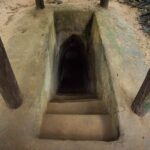
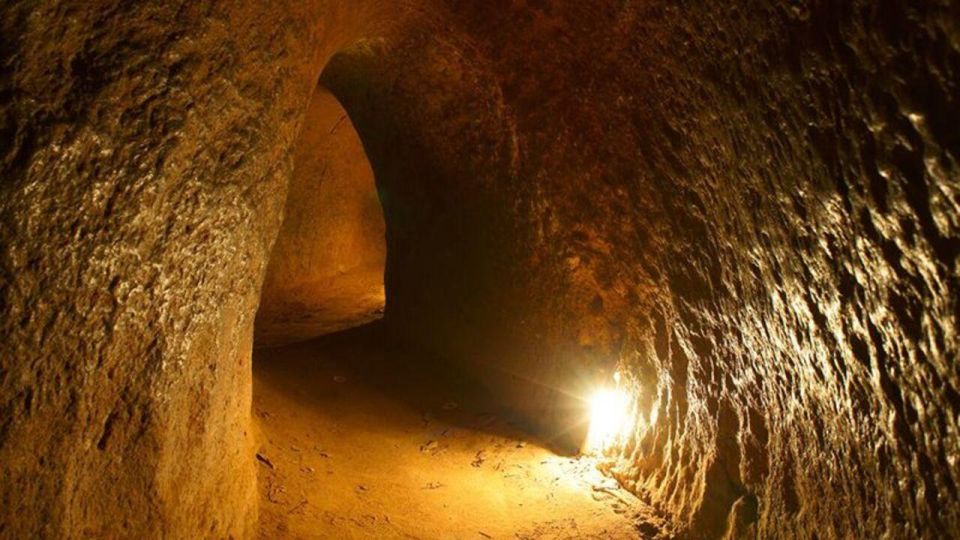
Cu Chi isn’t just a set of tunnels. It’s described as an underground zigzag network that stretches over 200 km. The tour frames it as a symbol of Vietnamese will and creativity, built for survival and combat in an incredibly challenging environment.
Inside, you’re guided through what the tunnels were used for—less like a museum maze, more like a picture of how people lived and fought. Expect stops that help you understand:
- the layout of underground pathways
- hidden rooms and functional spaces
- the practical logic behind moving through tight, concealed spaces
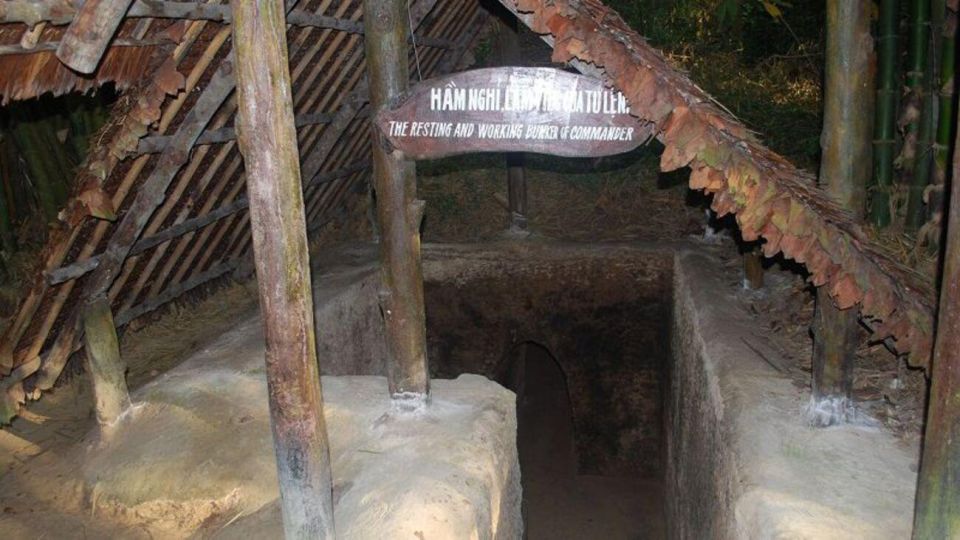
The experience includes time to explore a “secret” area with living areas, kitchens, armories, and hospitals used by soldiers. Even if you know a bit about the Vietnam War, this is where the scale and ingenuity start to click. You can see how daily life had to be engineered to work underground, not just survive there by accident.
One note: the tour is not suitable for people with mobility impairments or wheelchair users. That’s not a small detail. If you rely on a wheelchair, you’ll likely feel stuck. If you have limited mobility but can walk on your own, still be honest with yourself about uneven ground and the nature of underground paths.
Hidden Rooms, Tunnels Deep Enough to Feel Strange
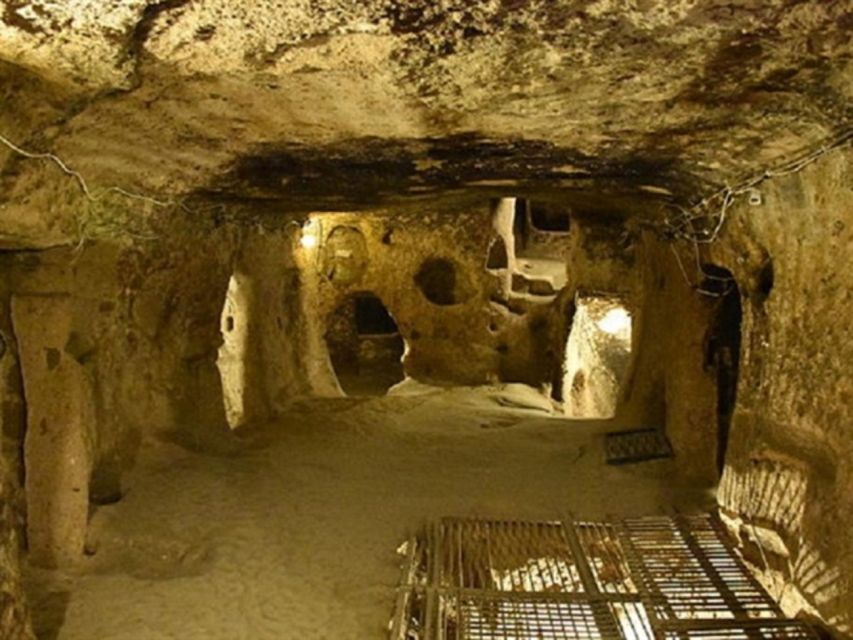
A big part of why this tour gets strong ratings is that it focuses on the details that make Cu Chi understandable. You’re not only looking at tunnel openings—you’re learning how the tunnels supported a whole system of life and defense.
As you wander the underground site, you’ll encounter:
- elaborate labyrinths that show how movement could be controlled
- hiding spots guerrilla soldiers used to gain advantage
- booby traps designed into the underground network
These aren’t presented as scary attractions. They’re explained as battlefield problem-solving. For me, the value is that it turns history into something you can visualize: cramped spaces, concealed routes, and the constant need to avoid detection.
After walking deep into the tunnel site, you’ll also see remnants of artillery units they used. That shift—from underground to visible remnants—helps you connect the tunnels to the bigger military picture without needing a separate lecture.
Booby Traps and the Balance Between Education and Reality
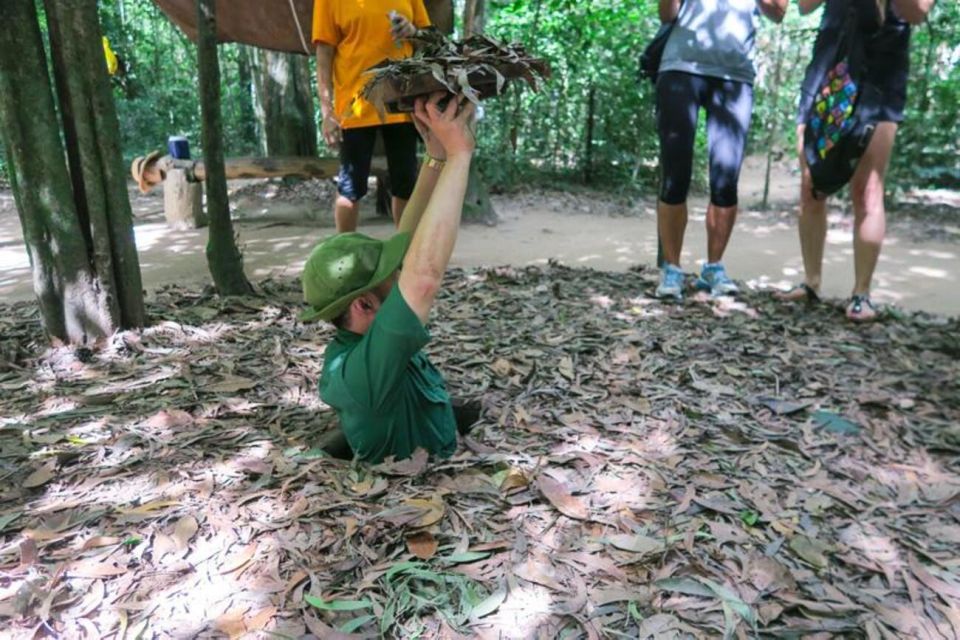
It’s easy to treat Cu Chi like a thrill. This tour keeps it grounded in practical context: what these systems were built to do and why.
The tour includes a focus on booby traps and the clever layout of the tunnels. That can feel intense, so go in with the right mindset. You’re learning about a violent conflict. Your job as a visitor is to understand the human ingenuity and the high stakes of survival—not to treat it like a theme park.
If you’re sensitive to war-related content, plan for that emotional weight. If you’re the type who likes structured explanations and “here’s how it worked” storytelling, this style should work well.
Also, you’ll get English/Vietnamese-speaking guidance. Having that language support matters here, because the meaning of small tunnel features can get lost if you’re only reading signs. The guide experience is a clear highlight of the overall tour.
The AK-47 or MK-16 Shooting Range Add-On (what to expect)
One of the most interesting options on this tour is the chance to fire an AK-47 or MK-16 rifle at the designated shooting range.
Two practical points you should know before you decide:
- The shooting fee is not included in the tour price.
- It’s an optional add-on, not automatically part of the base experience.
For some people, this is the “wow” moment. For others, it might feel like a distraction from the historical theme. If you’re into hands-on activities, it can add a memorable element to a day that’s otherwise mostly walking and storytelling.
If you’re deciding, think about your own travel style. If you want a deeper focus on underground life and war history, consider skipping the shooting and using that time for more exploration. If you’ve been curious about how firearms feel (and you’re comfortable with the extra cost), the range visit is built into the opportunity.





Rice-Paper and Rice-Wine Making: A Small Cultural Detour
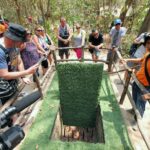
This tour doesn’t stop at war-only content. You’ll also learn how locals make rice-paper and rice-wine.
It’s included as part of the experience, and it’s more useful than it sounds. Here’s why: it reminds you that the people of Cu Chi weren’t only soldiers and tunnels. Even in areas shaped by war, daily food and production skills still matter. You get a cultural thread that keeps the day from becoming one long, heavy lesson.
If you like travel days that mix history with real everyday food culture, you’ll likely enjoy this part.
A Stop at the War Remnant Museum on the Way Back
On the way back, you may pass by the War Remnant Museum. The wording suggests a possible stop rather than a guaranteed, ticket-by-ticket schedule, so keep expectations flexible.
Still, this can be a smart sequencing choice. The tunnels show you how the war was fought at ground level. A museum stop helps connect that to broader events, photographs, artifacts, and timelines—especially if you want more context after seeing the underground systems.
If you’re trying to pack your day with meaning, this “linking stop” is helpful.
Price and Value for a Seven-Hour Tour
The price is $22 per person, and the value comes from what’s included.
Included in the tour:
- Admission to attractions
- English/Vietnamese-speaking guide
- Bottled drinking water
- Hot tea and steamed tapioca
- Round-trip transfers from central Ho Chi Minh City
Not included:
- Meals
- Other personal expenses
- Shooting gun fee
That inclusion list is the real reason the price can feel fair. You’re paying for transportation out to a site far from the city, a guide who can explain what you’re seeing, and entry to the attractions. Meals are the biggest missing piece, but that’s common on tours like this.
My value take: if you plan to use the included sights and you’re not adding expensive extras, this is a budget-friendly way to get a high-impact Vietnam War experience without having to coordinate rides and tickets yourself.
Who Should Book This (and Who Should Skip It)
This tour is a good match if you:
- want a structured Vietnam War experience with an English-language guide
- enjoy historical places where the physical layout teaches you something
- like tours that mix underground history with simple cultural stops (rice-paper and rice-wine)
It’s not a good match if you:
- have mobility impairments or use a wheelchair
- need a low-walking, fully accessible experience
- prefer tours with lots of seated time
Also, pets are not allowed (assistance dogs are allowed).
If you’re traveling with kids, there’s a policy to note: children under 4 are free of charged and share services with parents, with a maximum of 1 child under 4 joining with 2 adults. That can be helpful for families planning ahead.
Quick Tips to Make Your Day Easier
The essentials are straightforward, but they matter.
Bring:
- Comfortable shoes (plan for walking in underground and uneven areas)
Plan around:
- the timing (roughly seven hours total)
- possible museum pass-by on the way back
And for booking, you’ll be asked for your social account (like WhatsApp/Wechat) when you reserve. That’s useful for communication day-of.
Should You Book This Cu Chi Tunnels Half-Day Tour?
Book it if you want a history-driven day that’s active, guided, and packed with the kind of details that make Cu Chi memorable: underground living spaces, hiding spots, and the logic of wartime survival. With transfers included and a guide who can explain the site in English, it’s a strong value at $22.
Skip it if you need full accessibility or you’re looking for a relaxed, low-movement activity. If you can handle walking and you’re comfortable with war-related content, this tour is the kind that sticks with you long after you leave the tunnels.
FAQ
How long is the Cu Chi Tunnels tour from Ho Chi Minh City?
It runs for about 7 hours, with different departure and return times depending on the option you pick.
What are the departure times and return times?
There are two options: 7:45am to 3:00pm or 12:45pm to 7:00pm.
Where do I meet the tour group?
The meeting point is 165 Pham Ngu Lao St, Dist 1, Ho Chi Minh.
What’s included in the tour price?
The tour includes admission to attractions, an English/Vietnamese-speaking guide, bottled water, hot tea and steamed tapioca, and round-trip transfers from the central meeting point.
Are meals included?
No. Meals and beverages are not included.
Can I shoot an AK-47 or MK-16?
You have the chance to fire an AK-47 or MK-16 at the designated shooting range, but the shooting gun fee is not included.
Is this tour suitable for wheelchair users or limited mobility?
No. It is not suitable for people with mobility impairments or wheelchair users.
What should I bring?
Bring comfortable shoes.
What about kids and free admission?
Children under 4 are free of charge and share services with parents, with a maximum of 1 child under 4 joining with 2 adults.
Is there an extra charge on public holidays?
Yes. There will be a 100,000 VND surcharge per person paid in cash for bookings on public holidays.