REVIEW · HO CHI MINH CITY
Ho Chi Minh City: History Museum and Ben Thanh Market Tour
Book on GetYourGuide →Operated by TripGuru Vietnam · Bookable on GetYourGuide
Two hours in Saigon starts with a market. This tight Ho Chi Minh City tour pairs Ben Thanh Market with Museum of Vietnamese History so you get local color and historical context fast, even if your schedule is tight. I especially like how the guide turns everyday sights into something you can actually place in time, and I like that a included food sampler gives you a taste without needing a whole separate meal. One catch: the guide’s English can be harder to follow for some visitors, so if you’re sensitive to that, go in with patience.
What makes it work for me is the pace and the size: a small group (limited to 9) and a 2-hour walking flow that doesn’t leave you stuck in long lines or decision fatigue. You’ll also get a simple end-to-end plan with a set start and finish, plus an easy chance to book at the last minute.
In This Review
- Quick highlights to look for on this Ho Chi Minh City tour
- Ben Thanh Market: an indoor wet market you can explore without getting lost
- Museum of Vietnamese History: where independence stories start making sense
- The 2-hour rhythm: how the walking plan keeps things efficient
- Guide style and language: the difference between a great tour and a frustrating one
- Price and value: why $26 can be a smart use of limited time
- Who should book this tour (and who might want a different plan)
- Where to go next after Ben Thanh Market
- Should you book this Ho Chi Minh City market and history tour?
- FAQ
- FAQ
- How long is the Ho Chi Minh City History Museum and Ben Thanh Market tour?
- Where do I meet the guide?
- What stops are included in the tour?
- What’s included in the price?
- Is hotel pickup or drop-off included?
- Is the tour wheelchair accessible or suitable for everyone?
- Can I cancel if my plans change?
Quick highlights to look for on this Ho Chi Minh City tour
- Ben Thanh Market under one roof: one of the biggest indoor wet markets in Ho Chi Minh, with nearly 1,500 stalls
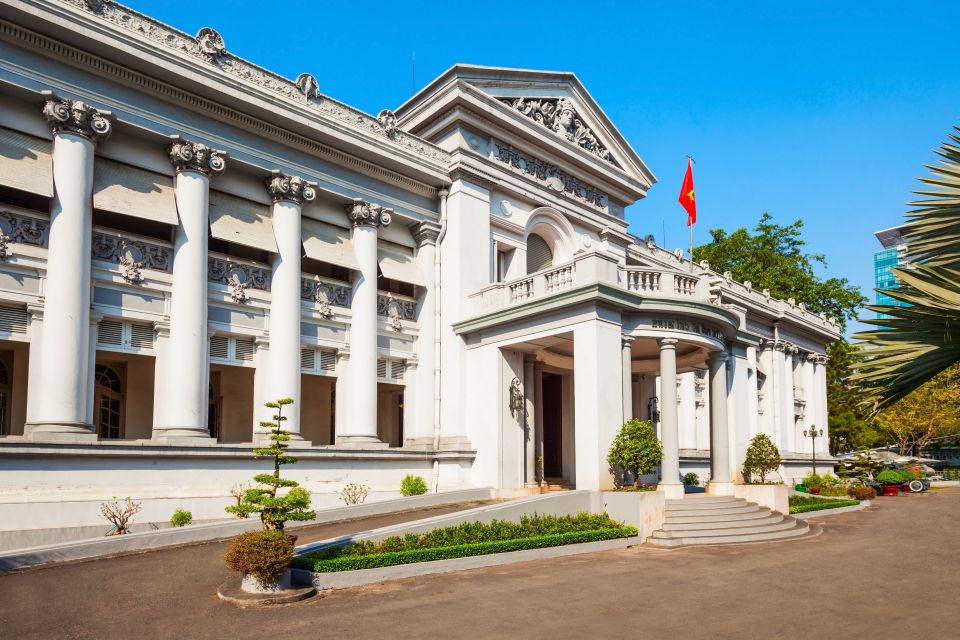
- Museum of Vietnamese History in a grand former National Museum building: prehistoric to independence exhibits in a single stop
- A friendly, practical guide: you’ll learn historical facts and get context for what you’re seeing
- Food sampler included: a small taste that saves time and helps you decide what to eat later
- Designed for short stays: 2 hours total, with multiple start times you can match to your day
- Small group format: limited to 9 participants, so questions and attention are easier
Ben Thanh Market: an indoor wet market you can explore without getting lost
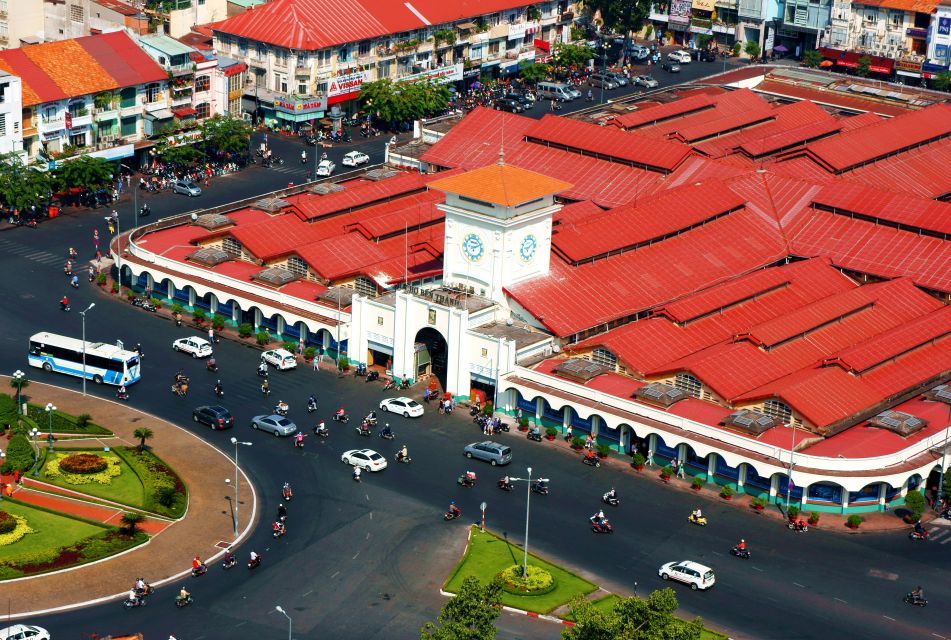
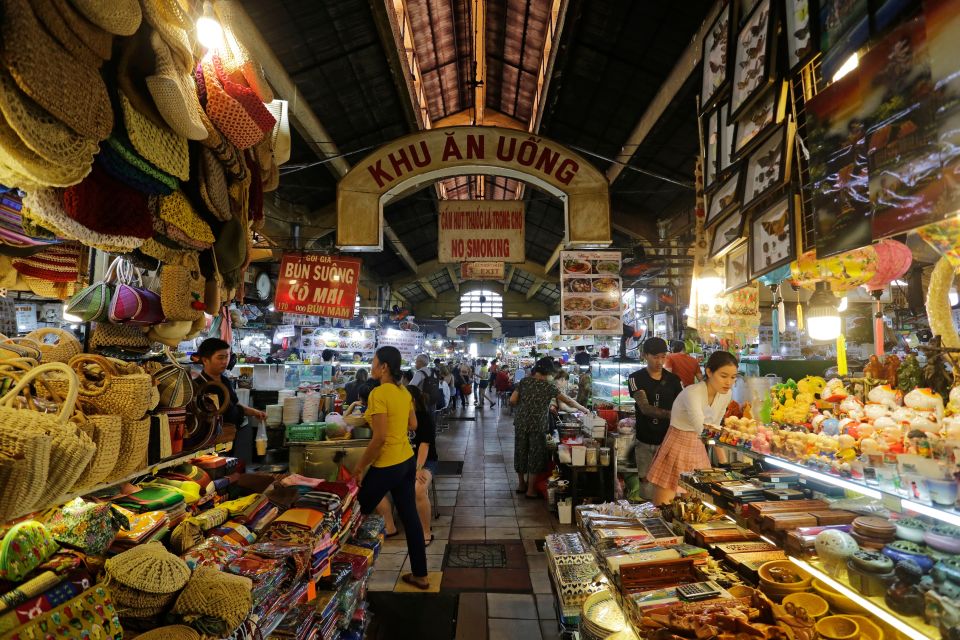
Ben Thanh Market is one of those places that looks chaotic from the outside and turns surprisingly manageable once you’re walking it with a plan. It’s famous for being one of the oldest surviving markets in Ho Chi Minh City, starting in the early 17th century when street vendors gathered near the Saigon River to sell goods. The market moved to its current location in 1912 and then got renovations in 1985, which is part of why it feels like a living institution rather than a museum set.
Inside, you’re dealing with an indoor wet market setup, meaning you’ll see the kinds of stalls that serve daily life—ingredients, spices, seafood, and more—under a roof. That matters for how you experience it. If you’ve got limited time or bad-weather luck, being indoors helps you keep momentum. You’ll be able to stroll, watch how vendors arrange goods, and pick up the “how things are done here” vibe instead of just snapping photos and rushing through.
What I like most is that this stop isn’t treated like a shopping free-for-all. With a guide, you’re more likely to notice patterns: how the market is organized, what’s common to buy, and why certain areas feel busier than others. If you want something specific, you’ll have a realistic window to spot it rather than guessing and hoping you found the right stall.
If you’re the type who enjoys browsing with a purpose, this is also a good place to sample the local “food logic.” One visitor specifically called out that vendors are helpful and polite and mentioned buying items like spices and fresh meat and seafood. Even if you don’t plan to buy much, that’s useful to know: it’s not only about tourist souvenirs.
Practical note: wear comfortable shoes. You’ll be walking through lots of stalls and corridors. Bring cash too, since markets are cash-friendly and you may want to buy a snack or a few ingredients on the spot.
You can also read our reviews of more city tours in Ho Chi Minh City



Museum of Vietnamese History: where independence stories start making sense
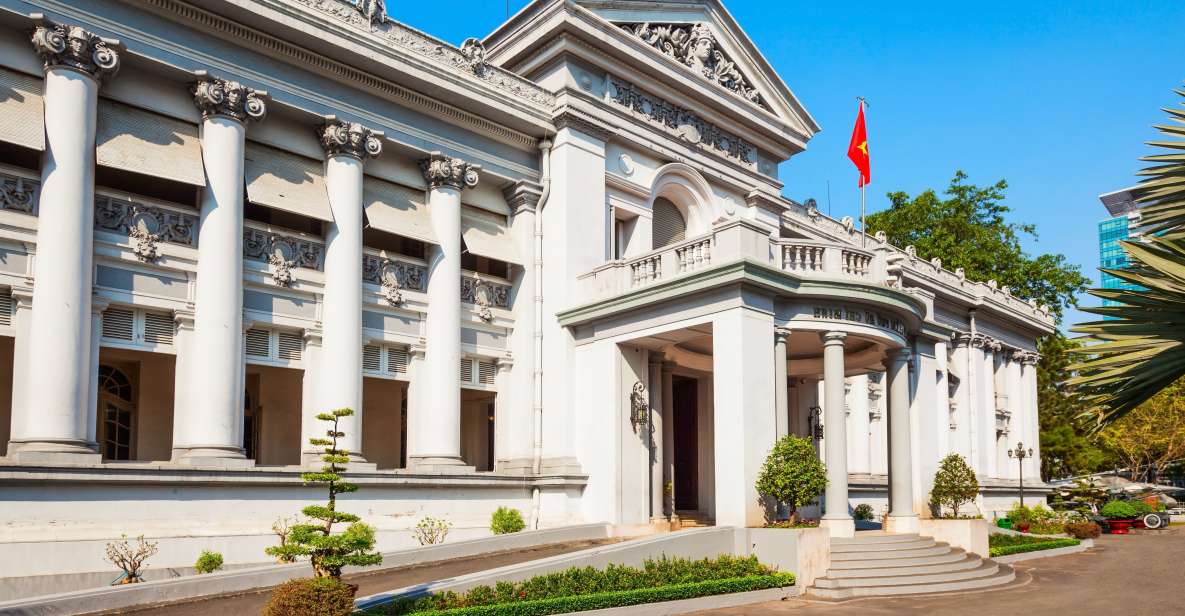
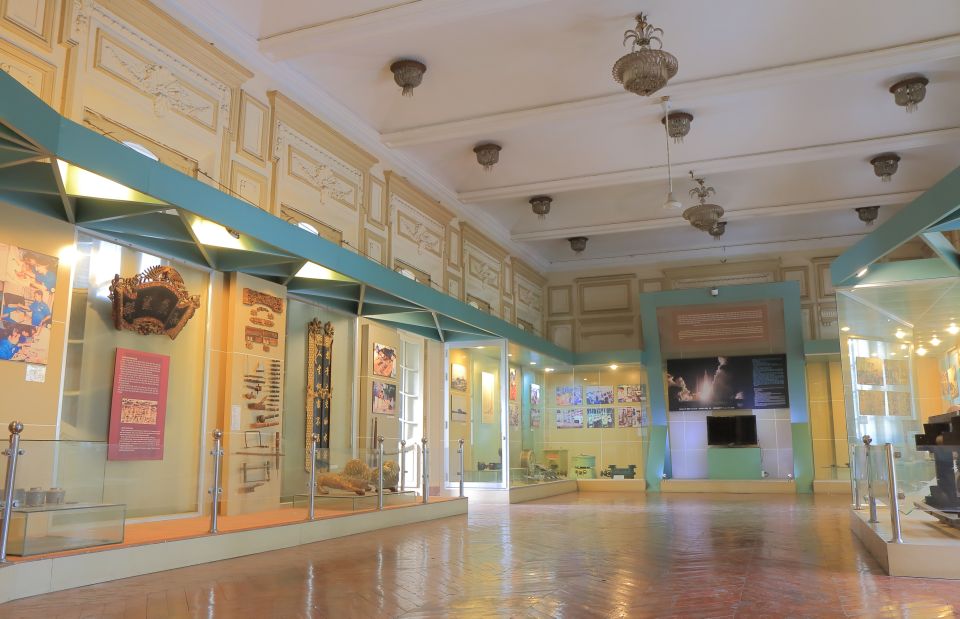
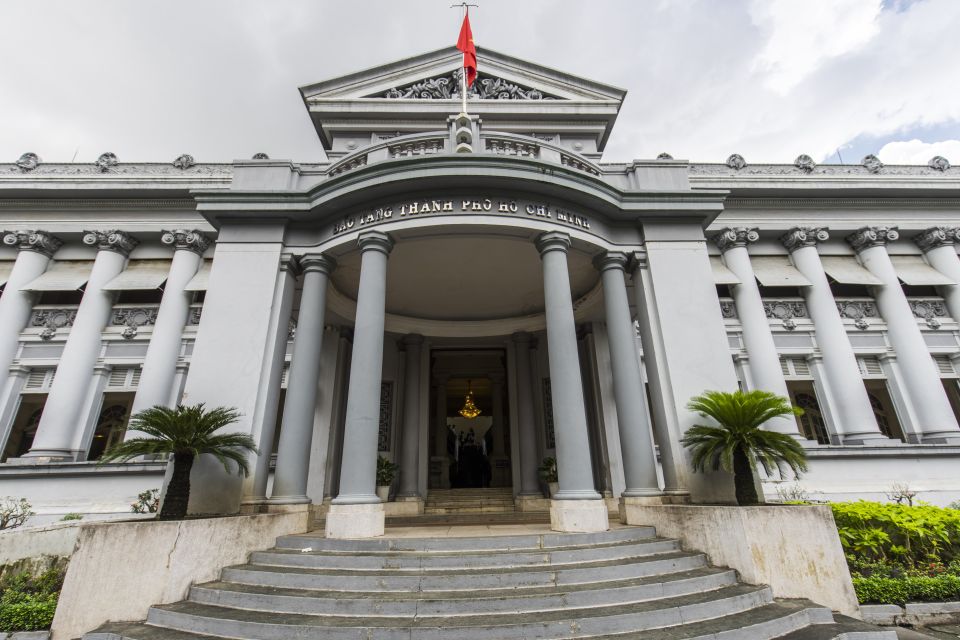
The Museum of Vietnamese History is the kind of stop that turns a quick city visit into something more meaningful. You’ll visit the exhibits at the Museum of Vietnamese History, which sits in a grand building that used to be the National Museum of Vietnam. That building alone gives you a sense that this place isn’t just a casual browse-it-and-leave-it museum.
In terms of content, you’re looking at a sweep of Vietnamese history and culture through artifacts and exhibits. The museum covers periods that are usually hard to connect when you’re only reading a few short signs: prehistoric times, the Dong Son culture, and then the country’s fight for independence from colonial rule. With a guided visit, you’re not left alone to guess what you should prioritize. Instead, the guide can point out the “why it matters” behind what you’re seeing.
Here’s why I think this works well on a short 2-hour tour: museums can be time sinks if you try to absorb everything. A guided format means you get a focused route and key facts that help the artifacts click. In other words, you don’t need to know a lot before you walk in. The museum becomes a set of stepping stones.
You’ll also likely appreciate the structure of the tour because the museum visit and the market visit complement each other. The museum gives you the big-picture story. The market shows you daily life now. Put together, you get a sense of continuity instead of treating Vietnam like two separate worlds—past on one side, present on the other.
One more thing: this tour keeps the museum stop to about 30 minutes, so plan your attention. If you’re the type who loves reading every label, you might wish you had more time. But if you want your history dose without losing your afternoon, this pacing is a plus.
The 2-hour rhythm: how the walking plan keeps things efficient
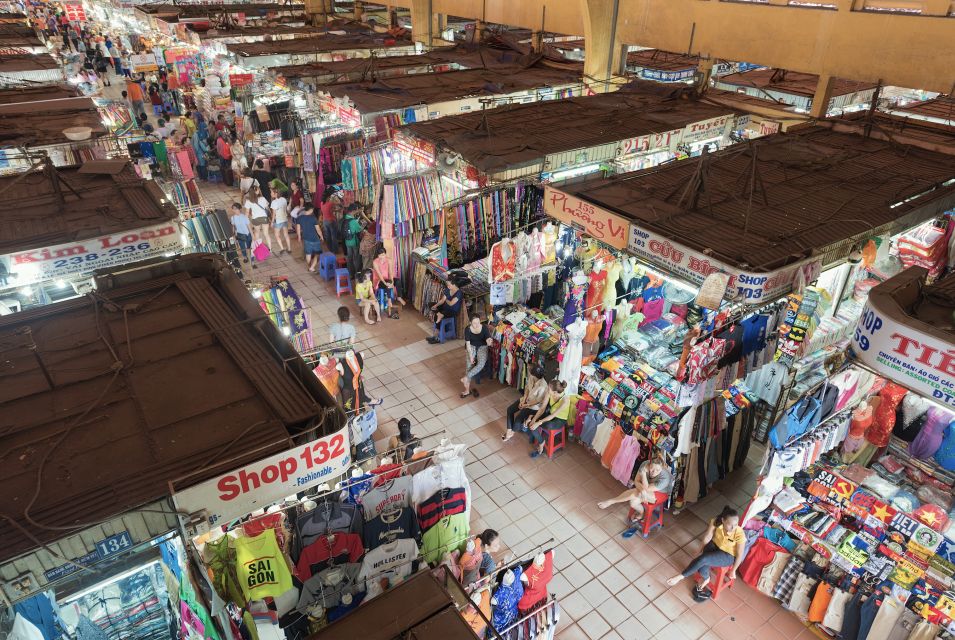
This is a fast, concentrated walking tour with a simple schedule: you start at the Ho Chi Minh City Museum area, then you visit Ben Thanh Market for about 30 minutes, move to the Museum of Vietnamese History for about 30 minutes, and end back at Ben Thanh Market.
That “end at Ben Thanh” detail is more useful than it sounds. If you finish near a major landmark and food area, you’re less likely to waste time figuring out where to go next. It’s ideal if you’re staying in central areas and want to keep exploring afterward on your own.
Since the total duration is about 2 hours, timing is everything. A lot of people book this because it fits between other plans—before dinner, after a morning activity, or when you’ve got a half-day in the city. The tour also offers multiple starting times, which matters when Ho Chi Minh City heat and rain can mess with your day. Pick a start time that fits your energy level and weather comfort.
Also, pay attention to how you pack:
- Sunglasses and sunscreen help more than you’d think under bright indoor-outdoor light changes
- Hat is a real quality-of-life upgrade
- Insect repellent is smart for any time you’re outside in the city
- Camera is useful, especially in the market
- Insect repellent plus comfortable shoes keeps you from turning a fun walk into an itchy slog
The tour includes entrance fees and a walking guide, so you’re not piecing together tickets and directions mid-day. It includes a food sampler, which also reduces the “what should I eat” problem.
And yes, it’s built for flexibility. You can book at any time, and last-minute bookings are accepted. If you decide late that you want history plus a market taste, this kind of structure helps.
Guide style and language: the difference between a great tour and a frustrating one
A guided tour can either sharpen your day or annoy you. The good news here is that you’re getting a professional guide and the guide can speak both English and Vietnamese.
The downside is that the quality of your experience can depend on how clearly the guide speaks English for your group. One visitor noted that English was hard to understand. So if English clarity is a must for you, consider this a factor and go with realistic expectations: you’re in Vietnam, and accents and speaking pace can vary.
The guide also brings context to the places you visit, which is the point of the tour. But one visitor reported that the discussion drifted into sensitive geopolitical commentary after the tour covered Vietnam’s history of occupation and fighting for independence. That kind of shift can feel off for people who want strictly historical or strictly local cultural focus.
What I’d suggest: if you’re the type who prefers to keep things on museum-and-market history only, you can set that expectation early with the guide (or just be clear that you’re not looking for broader politics). If you’re okay with some wider discussion, you’ll probably find the guide’s added context helpful.
Bottom line: this tour is designed to be informative and people-friendly, but your personal comfort with language and tone matters.
Price and value: why $26 can be a smart use of limited time
At $26 per person for about 2 hours, you’re paying for four main things: guided storytelling, two paid-admission stops, a short food sampler, and a structured walking route.
Here’s how to judge value without overthinking it.
First, markets and museums can cost time even when entry is cheap. A guide turns “I wandered around” into “I understood what I saw,” especially at the museum. That meaning is the big value-add on a short schedule.
Second, entrance fees are included. Museums are often where you feel the cost creep. Here, you’re not trying to handle ticket questions on the spot.
Third, the food sampler is a time saver. Instead of spending part of your tour deciding what to eat and waiting for it, you get a small tasting included in the experience. Then you can decide what you want later with clearer expectations.
Finally, the small group size (up to 9) helps the experience feel more personal than the classic big-bus approach. You can ask questions, and the guide can keep the group moving.
One more value tip: if your day in Ho Chi Minh City is already packed, this tour is a practical way to “buy back” time. Two hours is short enough to fit almost anywhere, but long enough to cover two major cultural stops without feeling like you rushed past everything.
You can also read our reviews of more historical tours in Ho Chi Minh City






Who should book this tour (and who might want a different plan)
I’d say this tour fits best if you:
- want a quick hit of Ho Chi Minh City history plus a real-life market experience
- enjoy guided context, especially at museums
- like short walking tours and don’t want to lose half your day
- are okay with market-level walking (crowds, movement, lots of sights)
You might want to skip it if:
- you have mobility impairments or use a wheelchair (it’s not suitable)
- you are pregnant (it’s not suitable)
- you prefer very slow museum time with lots of reading and quiet
- you strongly dislike any discussion that might go beyond the sites themselves
The tour also includes walking, and the market environment can be active. If you’re sensitive to crowds or prefer minimal walking, consider whether you’ll enjoy moving through dense indoor corridors.
Where to go next after Ben Thanh Market
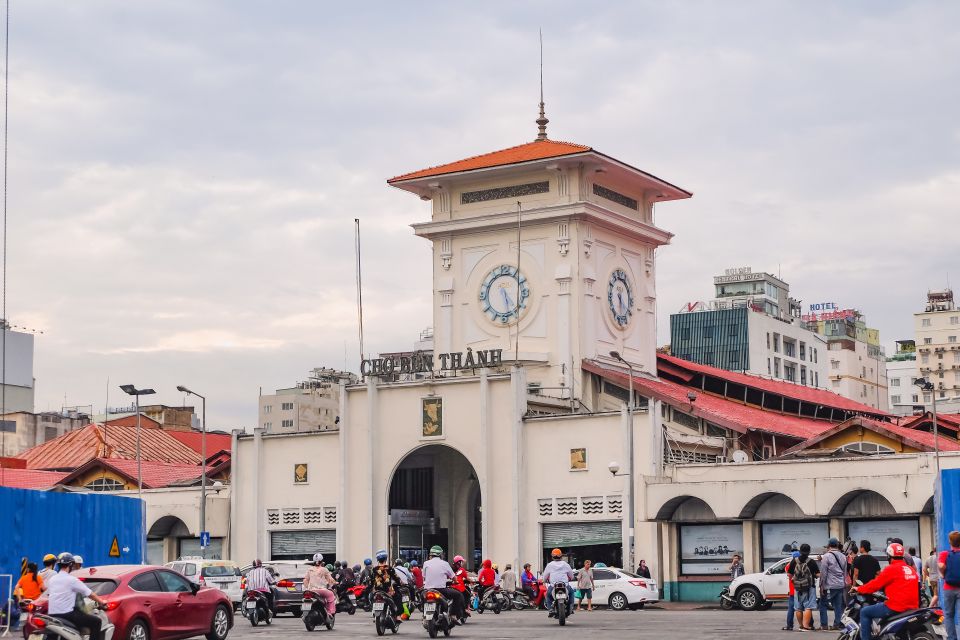
Ending back at Ben Thanh Market is a gift if you want momentum. Once you’re finished, you’re in a place where it’s easy to keep exploring on your own. You’ll already know the general layout from your stroll, and you’ll likely have a better sense of what you want to buy or eat.
If you’re continuing your day, think about your next step as a continuation of the two themes you just experienced:
- use the market area to follow up on things you saw during the tour
- use the museum context to pick which neighborhood sights you want to prioritize next
Even if you don’t buy anything, you’ll have more confidence navigating the area because you’ve already walked it once with a plan.
Should you book this Ho Chi Minh City market and history tour?
Yes, if you want a short, structured way to understand Ho Chi Minh City beyond postcard landmarks. This is a smart fit for first-time visitors who don’t have hours and want both market life and museum context in one guided loop.
Book it if:
- you value two stops in two hours with an efficient route
- you like the idea of a guided museum visit (especially for prehistory through independence)
- you want an included food sampler without committing to a full meal
Skip it or think twice if:
- you need crystal-clear English at all times
- you’d be upset if the guide’s conversation includes sensitive modern geopolitics
- your mobility needs don’t match a walking market environment
If you do book, go in with simple expectations: comfortable shoes, cash for personal buys, and an open mind. This kind of tour works best when you treat it as a guided orientation to Vietnam—market life plus history—then let your curiosity take over afterward.
FAQ
FAQ
How long is the Ho Chi Minh City History Museum and Ben Thanh Market tour?
The tour lasts 2 hours total.
Where do I meet the guide?
You meet at Ho Chi Minh City Museum. Look for a guide wearing a TripGuru shirt or holding a TripGuru sign.
What stops are included in the tour?
You visit Ben Thanh Market and the Museum of Vietnamese History, then the tour finishes back at Ben Thanh Market.
What’s included in the price?
The tour includes a professional English/Vietnamese speaking guide, entrance fees, a food sampler, and a walking tour.
Is hotel pickup or drop-off included?
No, hotel pickup and drop-off are not included.
Is the tour wheelchair accessible or suitable for everyone?
No. It’s not suitable for wheelchair users, people with mobility impairments, or pregnant women.
Can I cancel if my plans change?
Yes. You can cancel up to 24 hours in advance for a full refund.