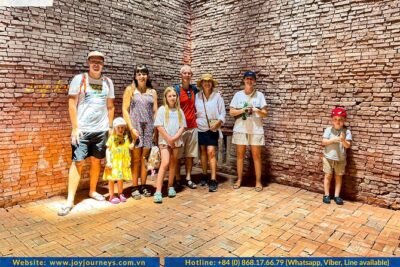
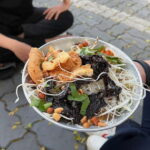
Saigon changes when you slow down. A 3-hour walk through Xom Cai lets you see everyday life in Vietnamese residential blocks, not postcard sites, with Van Phat Pagoda as a calm counterpoint and Ha Cao dumplings as a tasty food clue. The price is also pretty reasonable for what you actually do: guided walking plus local snack tastings.
What I like most is the focus on the small, practical things: narrow alley streets, shared apartment spaces, and how people use the city day to day. The tour also uses local English-speaking guides like Vi, Henry, and Cole, and you can feel the difference in how they explain the neighborhood—whether it’s coping with rain or keeping the history clear and grounded. One thing to keep in mind: you’re walking through narrow alleys, so comfort matters more than style.
This is a good fit if you want a “no-tourist” side of Ho Chi Minh City and you enjoy learning from a guide who pays attention to how daily life actually works. It’s less ideal if you need long, wide sidewalks or prefer fully guided comfort the whole way—because this neighborhood is, well, a neighborhood.
In This Review
- Key things to know before you book Xom Cai
- Stepping out of the main sights, on purpose
- Meeting at Nhà hát Thành phố Hồ Chí Minh City: start and end where you’ll remember
- Narrow alleys and real apartment blocks: what you’re actually seeing
- Inside a local café: Ha Cao dumplings and the food story behind them
- Hoa Binh Market: where locals buy what they need
- Van Phat Pagoda: a peaceful break that makes the streets make sense
- The neighborhood snack moment: variety without the tourist trap
- Price and logistics: why this costs what it costs (and when it’s worth it)
- Who should book the Xom Cai hidden local life walk?
- Should you book it?
- FAQ
- FAQ
- How long is the Xom Cai Hidden Local Life walking tour?
- What does the tour cost?
- Where do you meet and where does the tour end?
- What language is the guide?
- What’s included in the tour price?
- Is transportation to and from the meeting point included?
- What kind of food will I taste?
- Do I need to bring anything for the walk?
- Is rain likely to affect the experience?
Key things to know before you book Xom Cai
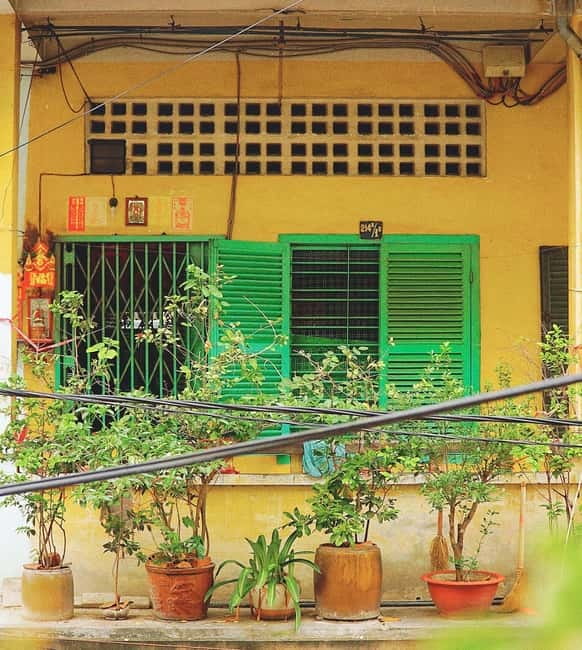
- Apartment-block life up close: you step into residential buildings where multiple generations live side by side
- Ha Cao and the Chinese food link: you’ll connect simple dumplings to Saigon’s food culture
- Hoa Binh Market for real shopping: fresh foods, household items, and street snacks in one stop
- Van Phat Pagoda’s quiet reset: a calm Buddhist temple break from the street noise
- English guide with local storytelling: guides like Vi, Henry, and Cole focus on practical local context
- Walking-heavy by design: comfortable shoes and sun protection are part of the plan
Stepping out of the main sights, on purpose
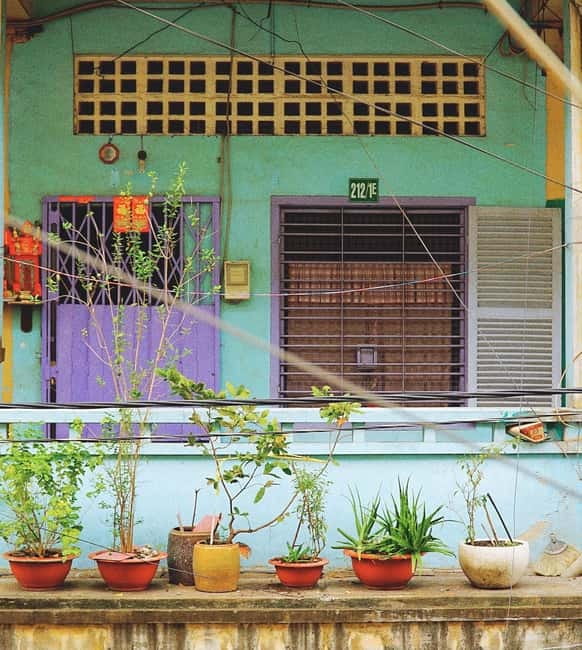
Ho Chi Minh City is easy to experience in big, obvious ways—big roads, big attractions, big lines. This tour takes the opposite approach. You head into Xom Cai, a residential neighborhood where the “main event” isn’t a monument; it’s daily routine.
That choice changes what you notice. You start seeing the city as a system of entrances, shared courtyards, morning errands, and snack stops—places you’d usually walk past without thinking. For me, that’s the whole point: you’re learning how the city functions for people who live there.
It’s also a nice size of commitment. At 3 hours for $30, you get a guided experience without losing half a day. If you like short, high-impact city time, this is the kind of plan that works.
You can also read our reviews of more walking tours in Ho Chi Minh City


Meeting at Nhà hát Thành phố Hồ Chí Minh City: start and end where you’ll remember

You meet and finish at Nhà hát Thành phố Hồ Chí Minh, which is an easy landmark to orient around later. That matters more than it sounds, especially if you’re planning the rest of your day. You don’t want to burn time figuring out where you’ll end up.
Because transportation to and from the meeting point isn’t included, you’ll want to plan how you’ll get there. If you’re staying nearby, great. If you’re further out, allow extra time so you’re not stressed when it’s time to start walking.
Once the group sets off, the route shifts away from the big, open streets. You start trading wide views for close-up details—doorways, stairs, and small storefront rhythms. That’s when the tour starts to feel different.
Narrow alleys and real apartment blocks: what you’re actually seeing
The heart of the experience is walking through the tight streets of Xom Cai and then stepping into a local apartment building. This isn’t a quick “look from outside” stop. You get a guided explanation of how daily life works inside residential blocks, including shared spaces and how multiple generations coexist in the same buildings.
This kind of visit is valuable for a simple reason: Saigon’s city life isn’t only high-rise business districts. It’s also older apartment clusters where people manage errands, family schedules, and community connections on foot and close to home. When your guide points out how those spaces get used, you understand the city on a more human scale.
You’ll likely notice that the neighborhood is built for movement at human speed. You don’t need grand viewpoints to get a sense of place. You get it from the pace of walking, the way people step in and out, and the routines that repeat every day.
One consideration: narrow alleys can feel tight, especially with groups moving together. Bring comfortable shoes and expect close walking. If you don’t like confined spaces, you may find this part a bit challenging.
Inside a local café: Ha Cao dumplings and the food story behind them
Food stops here aren’t random. They’re part of the neighborhood explanation. A family-run café is where you taste Ha Cao, a Chinese-style dumpling that locals know well.
What you’re really learning is the food link between Chinese heritage and Saigon’s everyday eating. Ha Cao isn’t just a snack; it’s a clue to how cultures blend in this city. Your guide helps connect that influence to why simple, dependable dumplings become favorites.
If you enjoy snacking while you walk, this stop hits the sweet spot. It’s not a full meal, so you stay light and keep moving. You’re also tasting something that fits the local rhythm rather than a tourist-style menu meant for photos.
In one well-reviewed experience, guests were treated to dumplings along with a drink like passion fruit juice at the café. Even if your exact pairing varies, expect the stop to be focused on local flavors and a friendly explanation from the people hosting you.
Hoa Binh Market: where locals buy what they need
Next comes Hoa Binh Market, one of Saigon’s more authentic local markets. This is the stop that makes the whole walk feel grounded. You’re not just seeing daily life from a distance; you’re entering a place where people shop for fresh food, household goods, and street snacks.
Markets can be chaotic if you don’t know what you’re looking for. The advantage here is the guide. They help you understand what’s being bought, how people move through the space, and what counts as normal everyday shopping. You start noticing patterns—how vendors arrange goods, what shoppers prioritize, and what snacks feel “for right now.”
I also like that the market experience isn’t only visual. You get the sounds and rhythm of a busy local environment, which helps the city feel real fast. If you’ve ever felt museums are too quiet, this is the opposite: it’s city life in motion.
A practical note: markets involve crowds and close spacing. Keep your phone secure, be ready for shoulder-to-shoulder moments, and take your time with the snack tasting so you don’t end up rushing. Your guide will help manage the group, but you’re still in a working market.
You can also read our reviews of more city tours in Ho Chi Minh City





Van Phat Pagoda: a peaceful break that makes the streets make sense
After the market, the tour takes you to Van Phat Pagoda. This is a peaceful Buddhist temple away from tourist crowds, which is exactly why it works after a busy market. You go from busy shopping energy into quiet, reflective space.
This stop adds a layer that many city walks skip. It shows how spirituality fits into everyday life, not just special events or major monuments. When you’re standing there with a guide explaining local religious practice, you understand that belief systems aren’t separate from daily routines—they’re woven into the city’s mindset.
The contrast is the point. Ho Chi Minh City can be noisy and fast on the street. A quiet temple gives you a reset, so the morning’s observations don’t feel like information overload. You actually absorb them.
If you’re sensitive to temple etiquette, keep it simple: follow your guide’s lead, speak softly, and dress respectfully. Even if the tour doesn’t spell out clothing rules, temples usually expect that you behave like you’re entering a sacred place.
The neighborhood snack moment: variety without the tourist trap
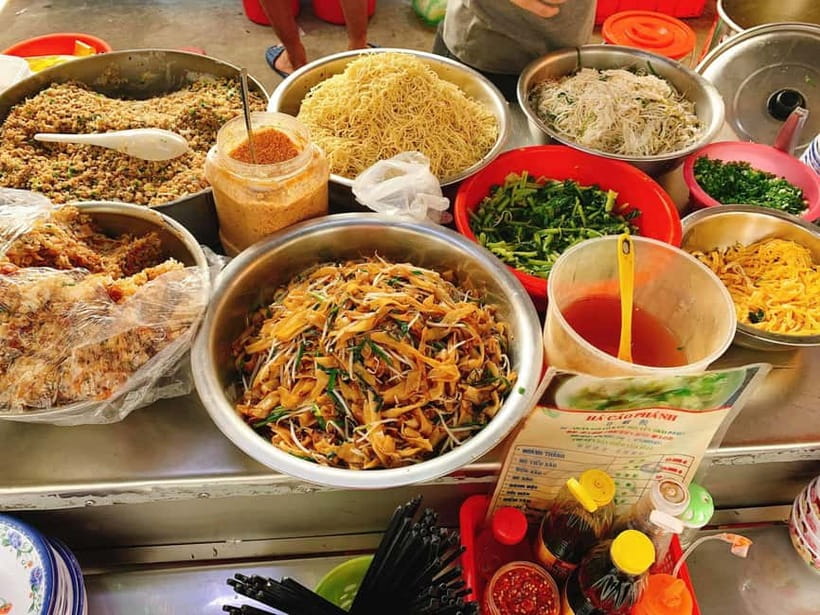
A big part of this walk is eating. You’ll have tastings of local snacks during the tour, including Ha Cao at the café and additional snack variety inside the neighborhood. This design matters because it keeps you from turning the walk into pure sightseeing.
Food also helps connect the dots your guide is explaining. When you taste what people actually eat and then hear why it’s popular, the cultural lesson lands harder. Instead of “Here’s the history,” it becomes “Here’s what people choose to eat every day.”
It’s also a good value angle. At $30 for 3 hours, you’re not only paying for a guide—you’re paying for a structured chance to sample the neighborhood rather than hunt for snacks on your own. That reduces decision fatigue and keeps you moving.
Still, don’t assume this tour provides full meals. If you’re a big eater, you might want to plan a proper meal after. The tour notes that meals and drinks beyond the snack tastings aren’t specified.
Price and logistics: why this costs what it costs (and when it’s worth it)
Let’s talk value honestly. $30 per person for 3 hours with a live English guide is competitive for a small-group-style local experience, especially when there are multiple stops and snack tastings. You’re paying for more than walking—you’re paying for interpretation of places you’d otherwise misunderstand.
This tour also avoids the common “drive-by culture” problem. It’s walking through residential areas and shopping spaces, then ending in a quiet temple. That means your time is spent on actual neighborhood content rather than transit time.
The tradeoff is you’re not being chauffeured around. Transportation to and from the meeting point isn’t included, and you’ll be on foot through narrow streets. If you’re the type who hates walking, or you need predictable, wide routes, the logistics might feel like a drawback.
On the other hand, if you’re happy to walk and you want the kind of city experience that doesn’t feel staged, this price makes sense.
Who should book the Xom Cai hidden local life walk?

Book this if you want:
- A more local view of Ho Chi Minh City through residential life
- Real shopping context at Hoa Binh Market
- A calm contrast at Van Phat Pagoda
- Snack tastings that connect food to culture, like Ha Cao
It’s especially good for people who like neighborhood travel—people who enjoy learning what daily life looks like rather than just ticking off sights. If you’re in Ho Chi Minh City for only a few days, this tour is a smart way to balance the mainstream with a quieter slice of the city.
It may not be your best choice if:
- You struggle with walking in tight spaces
- You prefer museums over markets and temples
- You need a plan with lots of stops that don’t involve narrow alley movement
Also, since guides are English-speaking and private group options are available, it can work well for couples or friends who want more tailored pacing—if that’s your style.
Should you book it?
Yes, if you want a practical, neighborhood-first view of Ho Chi Minh City and you like learning through everyday scenes. The combination of apartment-block context, Ha Cao food explanation, Hoa Binh Market shopping energy, and a quiet stop at Van Phat Pagoda gives you a full emotional range in just 3 hours.
If you’re deciding between a standard city highlights day and something more local, this is the pick that helps you understand how the city lives between attractions. Just come ready to walk, protect your skin from sun, and expect narrow streets.
FAQ
FAQ
How long is the Xom Cai Hidden Local Life walking tour?
The tour lasts 3 hours.
What does the tour cost?
It’s $30 per person.
Where do you meet and where does the tour end?
You meet and return to Nhà hát Thành phố Hồ Chí Minh.
What language is the guide?
The tour is guided in English.
What’s included in the tour price?
The tour includes a local guide, the walking tour, and tastings of local snacks.
Is transportation to and from the meeting point included?
No. Transportation to and from the meeting point isn’t included.
What kind of food will I taste?
You’ll taste local snacks, including Ha Cao dumplings.
Do I need to bring anything for the walk?
Wear comfortable shoes. Bringing a hat and sunscreen is also recommended since the route involves walking through narrow alleys.
Is rain likely to affect the experience?
The tour is walking-based, so weather can change the comfort level. One guide, Henry, handled pouring rain by helping guests with taxis to keep the experience going.